


In virtual reality, the human brain accepted digital wings as part of its body
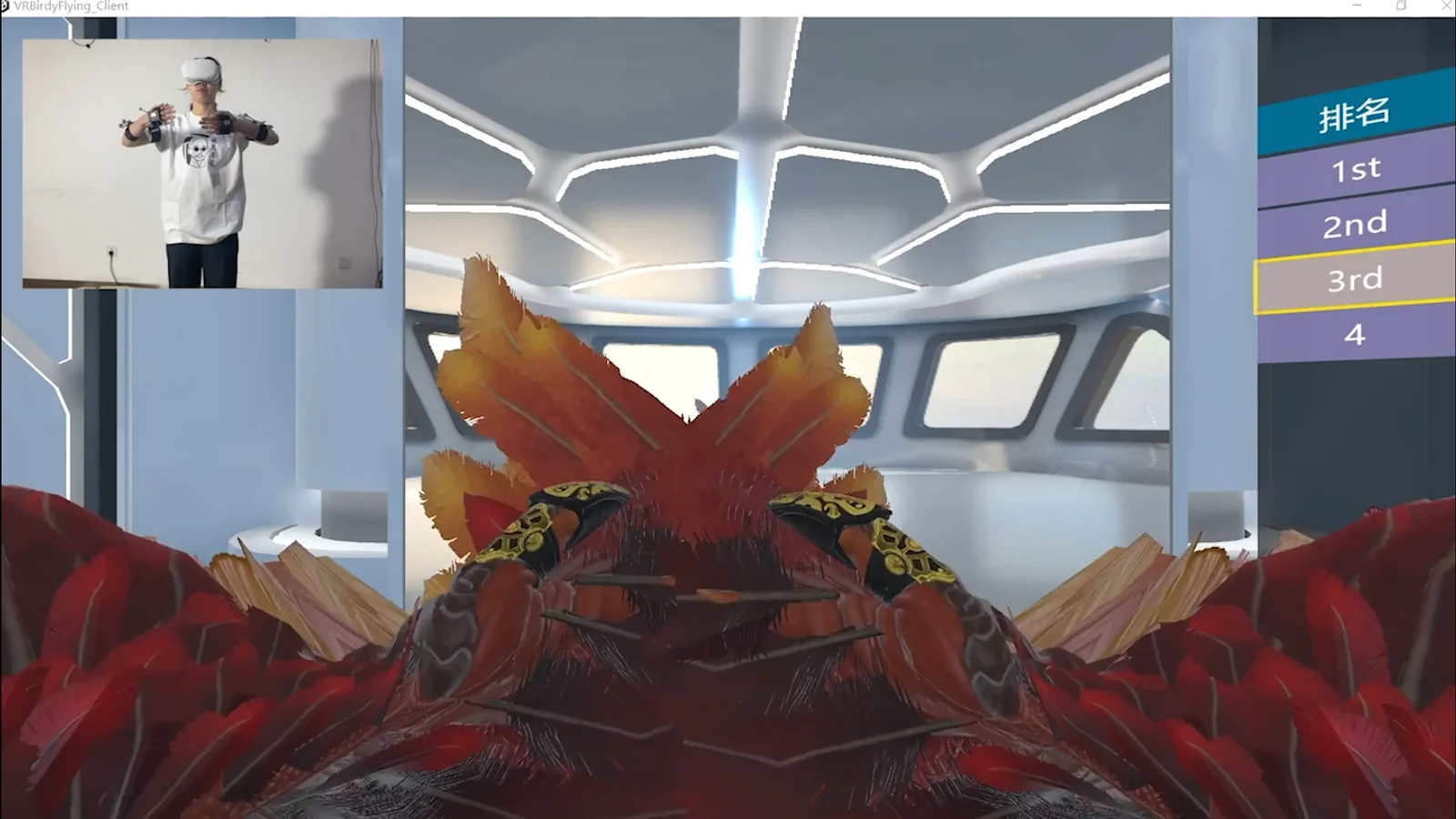
In science fiction, characters flying with wings is common, but for modern science, this has long been impossible. A new study by scientists at Peking University shows that the human brain is flexible enough to accept new limbs not intended by evolution as part of its body. This is reported by Ixbt.com reports .
The experiment involved 25 volunteers. They controlled their digital avatars using VR headsets and motion tracking sensors. The participants' arm movements were mapped to the flapping of virtual wings. After a week of intensive training, researchers analyzed brain activity and achieved a surprising result: the visual cortex regions of the brain that usually respond to human arms began to react to the image of wings just like real arms.
Neurobiologists state that this discovery proves the extreme plasticity of the human brain. If the brain can assimilate an 'unnatural' limb like wings, this technology could lead to revolutionary changes in controlling bionic prosthetics and exoskeletons in the future.
As one of the study's authors, Kunlin Wei, noted, the experience of flying in a VR environment fundamentally changes a person's understanding of physical laws. This is not just a game, but an important step toward expanding human nature in the digital world and forming new sensations.



Comments 0
…