


ZAT-DNA: Copy Protection Technology for DNA-Based Databases
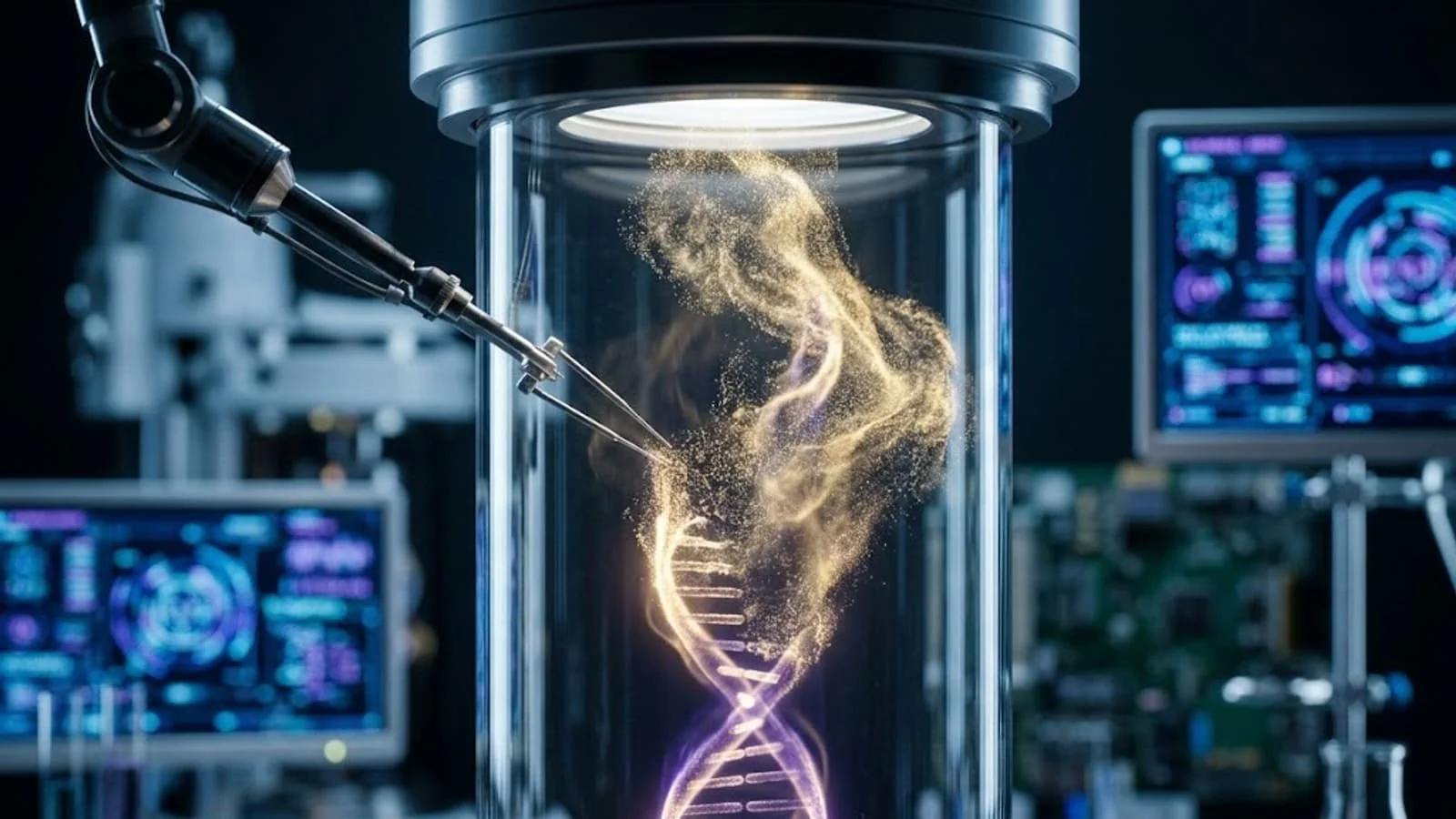
Scientists from Tianjin University, the Chinese Academy of Sciences, and Singapore's A-STAR have developed ZAT-DNA, a technology that solves the main drawback of DNA-based databases: unauthorized copying. According to a study published in Nature Communications, this system allows for the creation of unique molecules that cannot be replicated using standard polymerase chain reaction (PCR). This was reported by Ixbt.com reports.
The new technology transforms DNA from a simple data carrier into a system with hardware-level chemical protection. By leveraging the limitations of natural enzymes, scientists created a molecular analog of a Digital Rights Management (DRM) system. Instead of adenine (A), the DNA contains its synthetic analog, 2-aminoadenine (Z).
When an attempt is made to copy it via PCR, enzymes cannot distinguish between 'Z' and 'A', causing errors that corrupt the original data. Reading the information is only possible through nanopore sequencing, which fully protects the system from unauthorized copying.
Researchers propose applying this technology within the Babel-DNA architecture. In this setup, primary data is stored in an encrypted format, and access requires a unique master key in the form of ZAT-DNA. This solution opens new possibilities for physically protecting NFTs and state-level confidential codes.



Comments 0
…