


The brain retains the ability to analyze and learn speech even under deep anesthesia
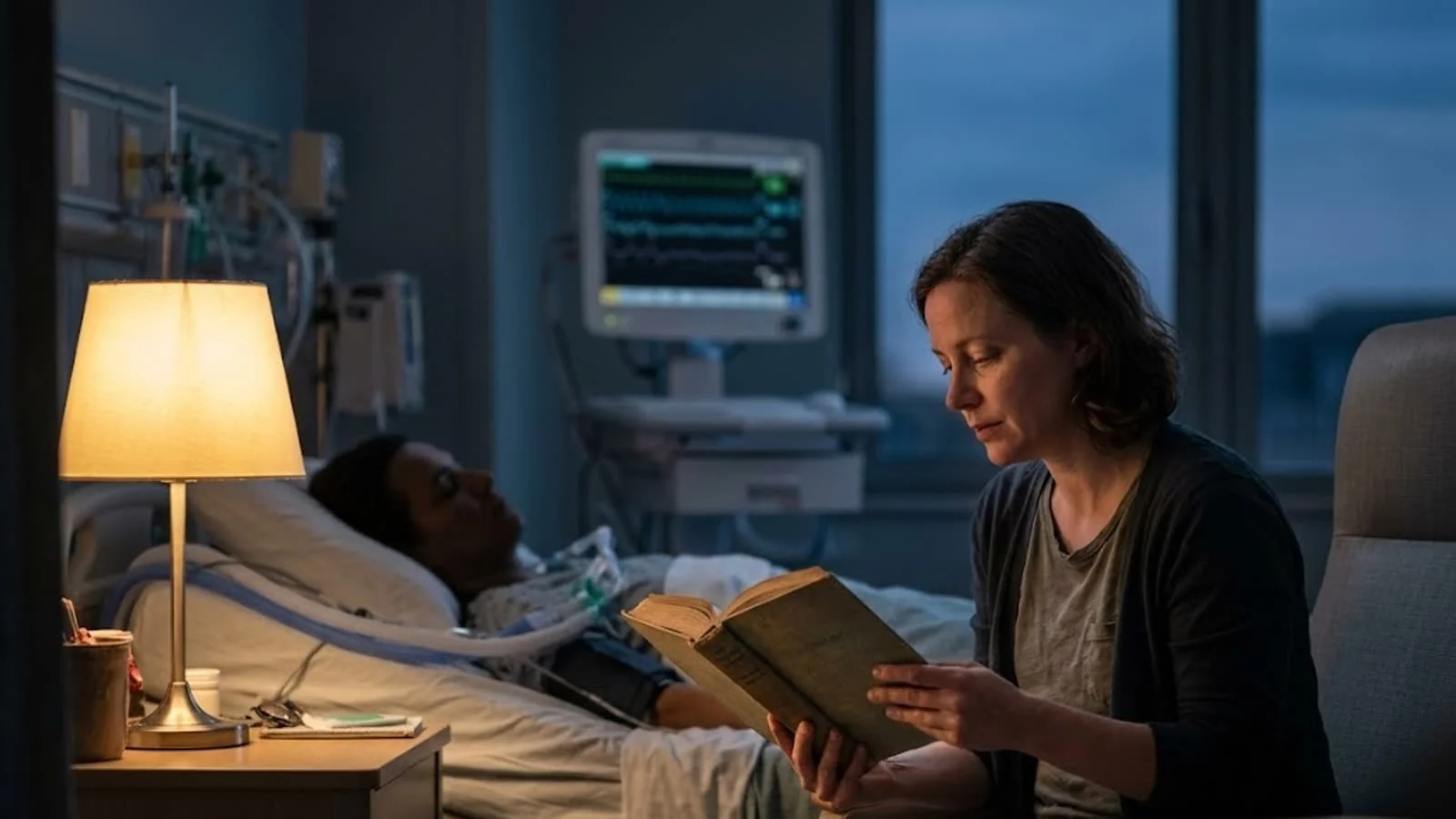
Neurobiologists at Baylor College of Medicine and Harvard University have discovered that the human brain retains the ability to process high-level information and perform semantic analysis even under deep anesthesia. The study showed that the hippocampus, responsible for memory formation, continues to independently analyze complex data during anesthesia. This is reported by Ixbt.com reports .
During the experiments, the brain activity of seven patients undergoing surgery for epilepsy was monitored. Neurons of patients placed under deep anesthesia using Propofol not only detected changes in sound signals but also continued to learn new information by adapting to them. This process occurs through the dynamic restructuring of neuronal groups.
One of the most important results is that even in an unconscious state, the brain was able to distinguish parts of speech (nouns, verbs, adjectives) and respond to the semantic category of words. The RNN (recurrent neural network) model developed by the researchers confirmed that these calculations are performed independently of the cerebral cortex through inhibitory neural connections.
This discovery reveals the distinction between consciousness and information processing. The results could create new opportunities for rehabilitating patients after strokes or brain injuries, as it allows for the stimulation of cognitive functions even when patients are unconscious.



Comments 0
…