









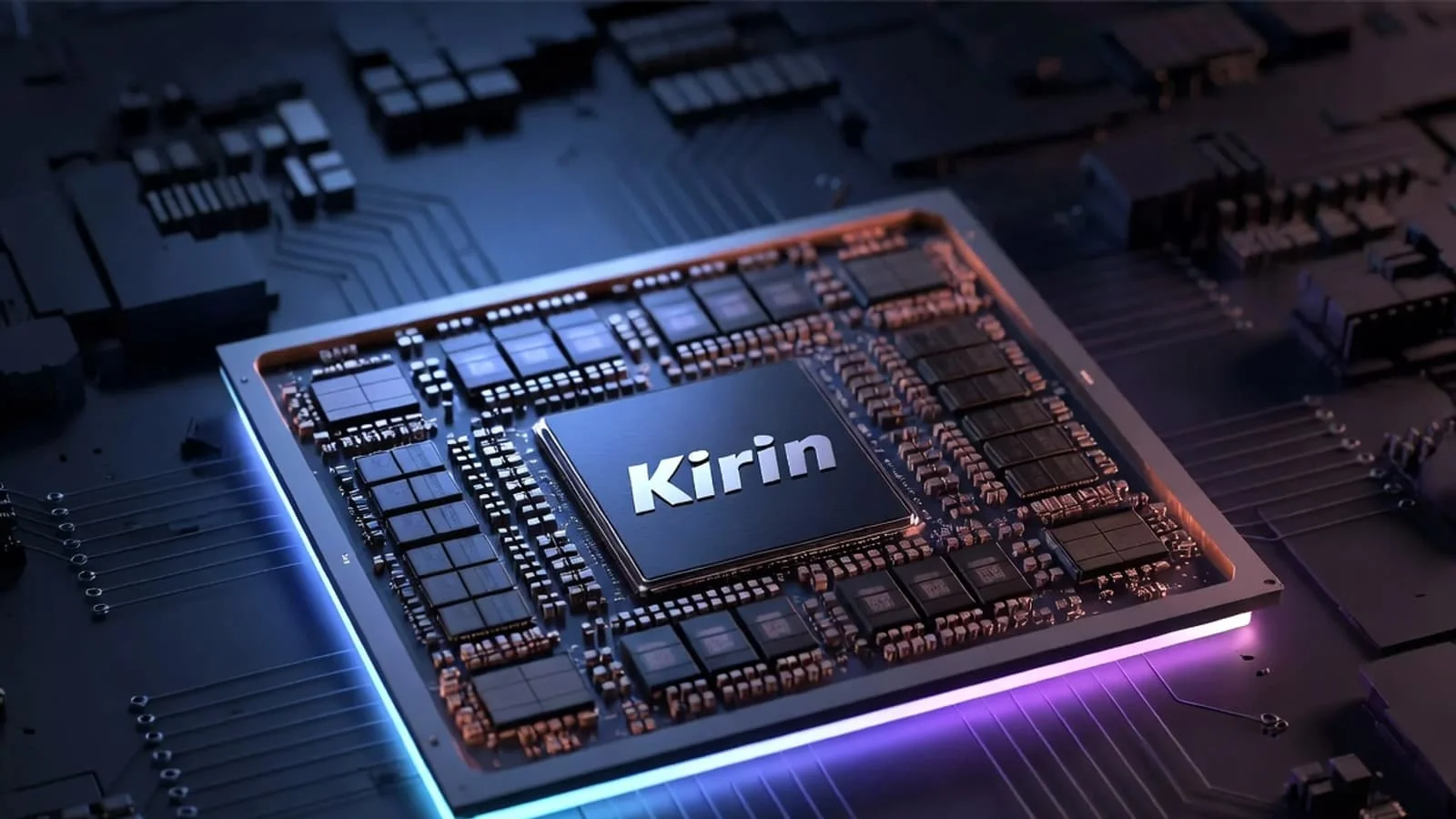
Huawei Technologies shared its ambitious plans at the IEEE International Symposium on Circuits and Systems (ISCAS) 2026 in Shanghai. According to company representatives, within the next five years, Huawei's high-performance chips will reach the 1.4 nm process node in terms of transistor density. This is reported by Ixbt.com reports .
This metric represents the next frontier for the semiconductor industry. The Chinese giant's move is seen as a significant step toward reducing the country's dependence on foreign technology. Although the company has not yet disclosed independent performance benchmarks or production details, this goal appears highly ambitious given the international restrictions on lithography equipment.
For comparison, global leader TSMC has already introduced 2 nm process mass production and plans to transition to 1.4 nm technology by 2028. Huawei, for its part, aims to overcome the shortage of advanced equipment through innovative engineering solutions.
Previously, company executive He Tingbo announced plans to increase the performance of Kirin 5G processors using new Logic Folding technology. New generation Kirin SoC chips based on this technology are expected to hit the market in the fall of 2026.
Read “Zamin” on Telegram!