


In Fergana, archaeologists find ancient Kuva walls over two thousand years old
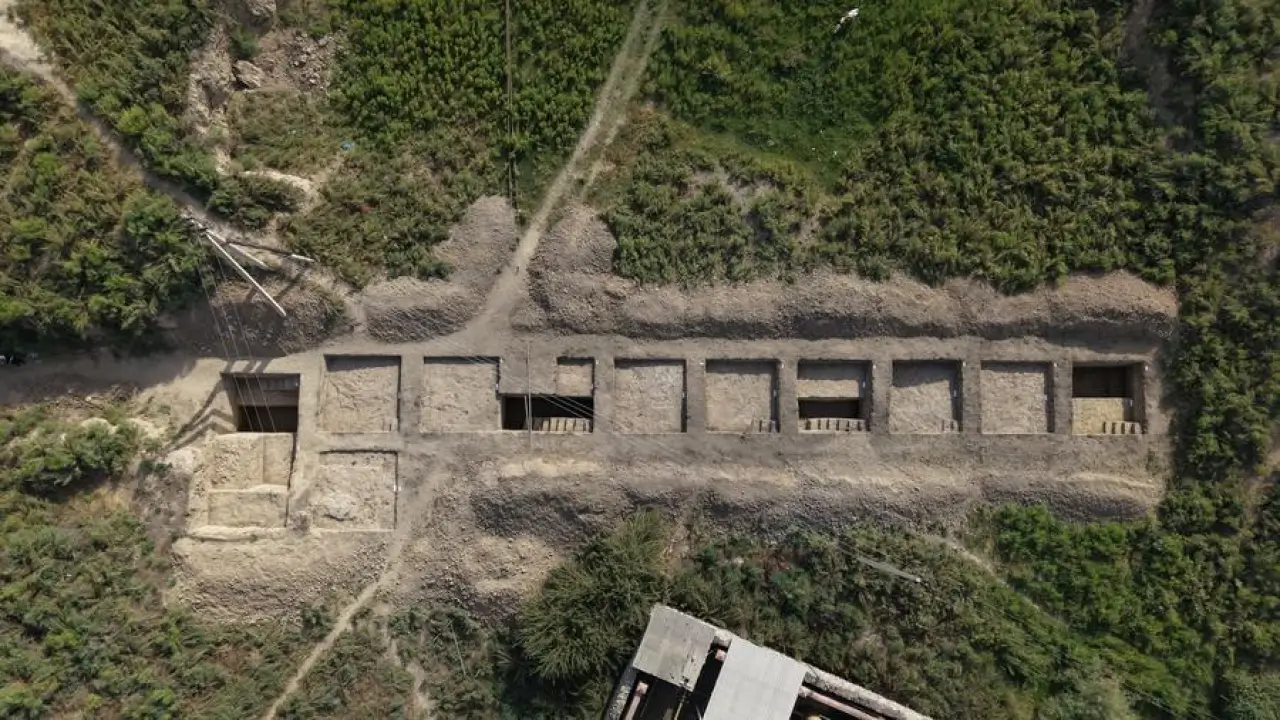
In the Fergana Valley, a joint Uzbek-Chinese expedition identified rare fragments of city walls at the ruins of the ancient city of Kuva. The finds are said to date from the 3rd century BC to the 10th century AD. This was reported by podrobno.uz. reports .
Archaeologists from the Luoyang Institute and Fergana State University said these defensive structures were used over a long historical span—from the Parthian and Davan periods to the era of Samanid rule.
Covering a total area of 110,000 square meters, the discovery is regarded as important evidence of active cultural ties between East and West along the Great Silk Road.
Scientists noted that changes in wall-building technologies will reveal how architectural practices of different eras and cultural influences shaped the city’s appearance. Already, traces of palaces, city gates, residential quarters, streets, and craft workshops have been identified at the site.
Expedition leader Liu Bin said the ruins once again confirm that Kuva was one of the region’s major trade and administrative centers.
Researchers plan to begin systematic excavations in the palace area of the city in 2026. The work is expected to help study the site’s internal layout in detail and reconstruct Kuva’s historical image as one of the ancient hubs of international exchange.


Comments 0
…