


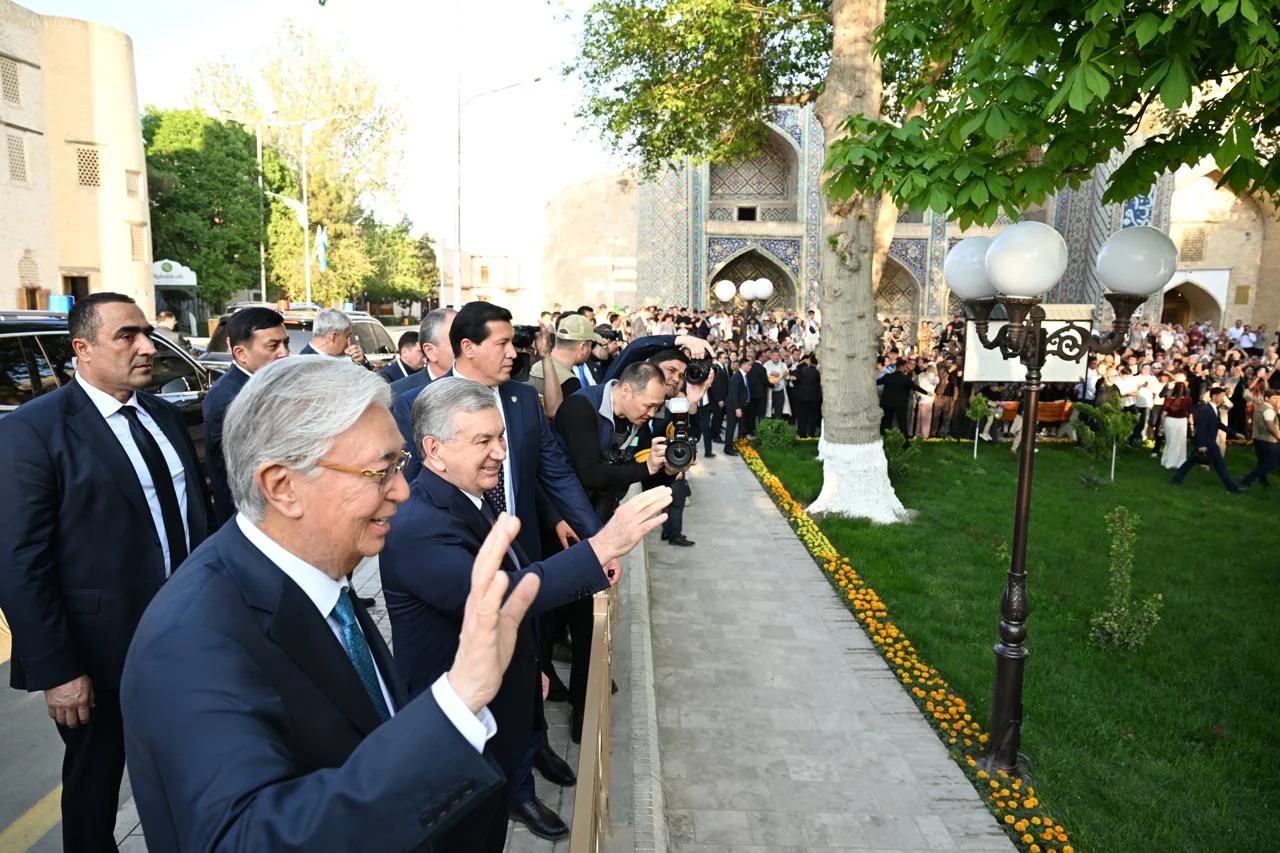
Tokayev and Mirziyoyev visited the historical heritage of Bukhara together (photo)
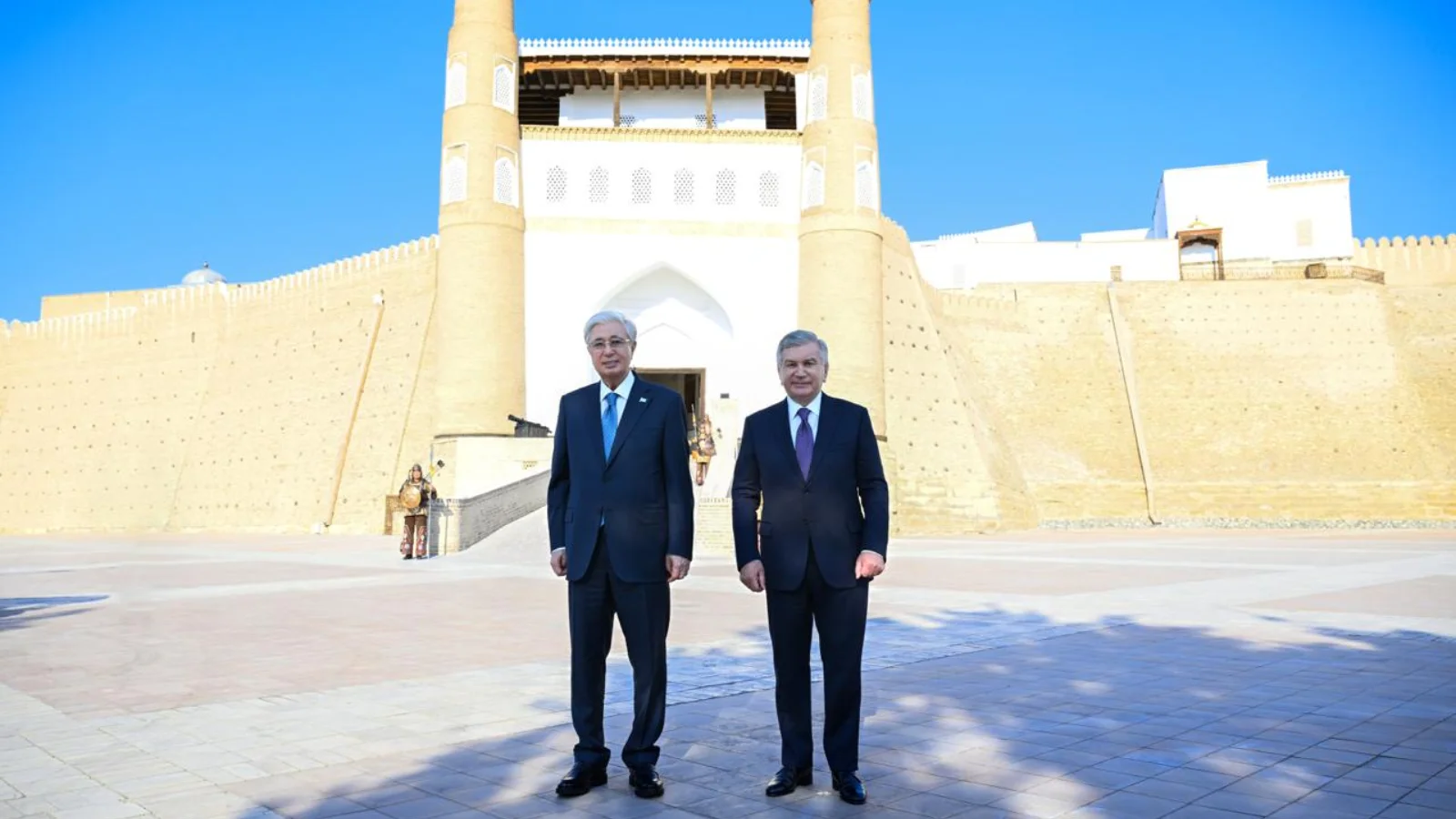
Photo: Presidential Press Service
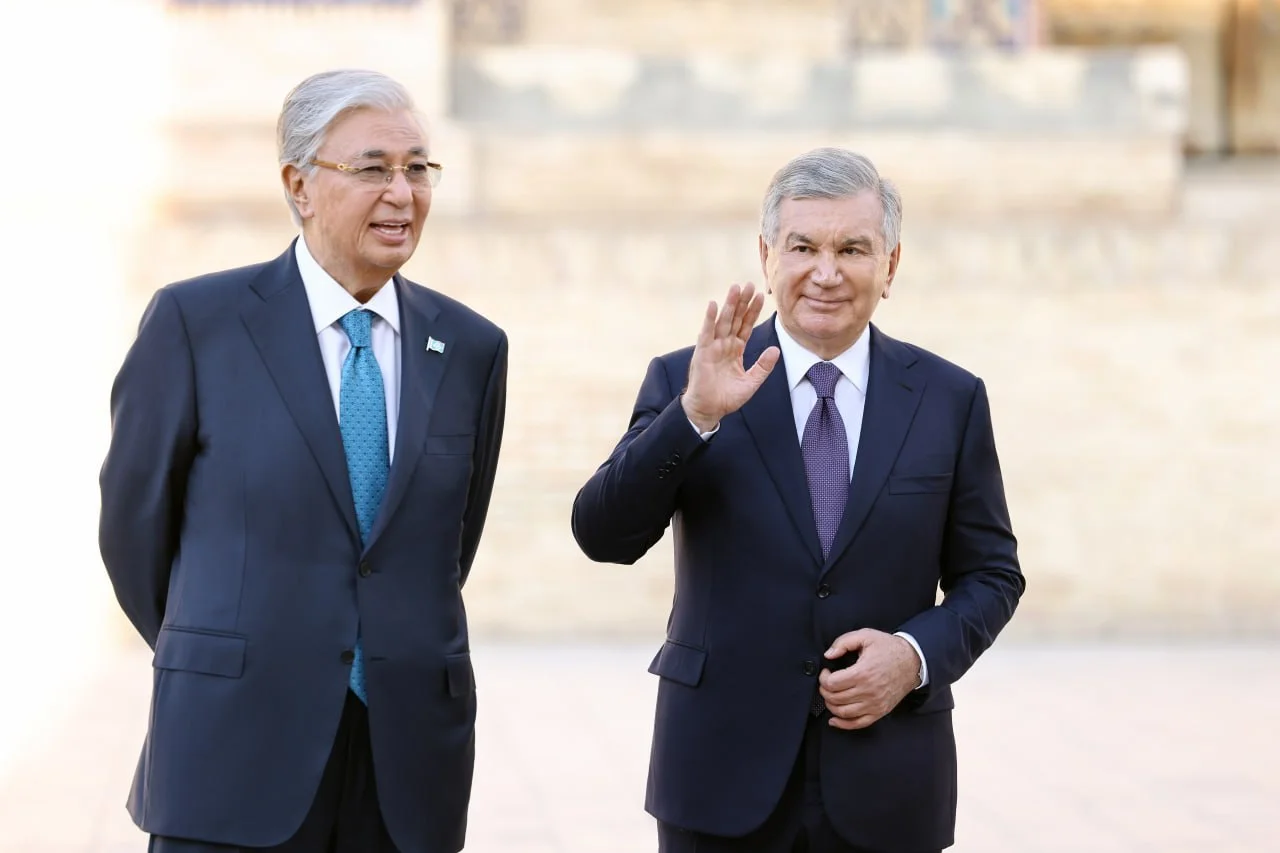
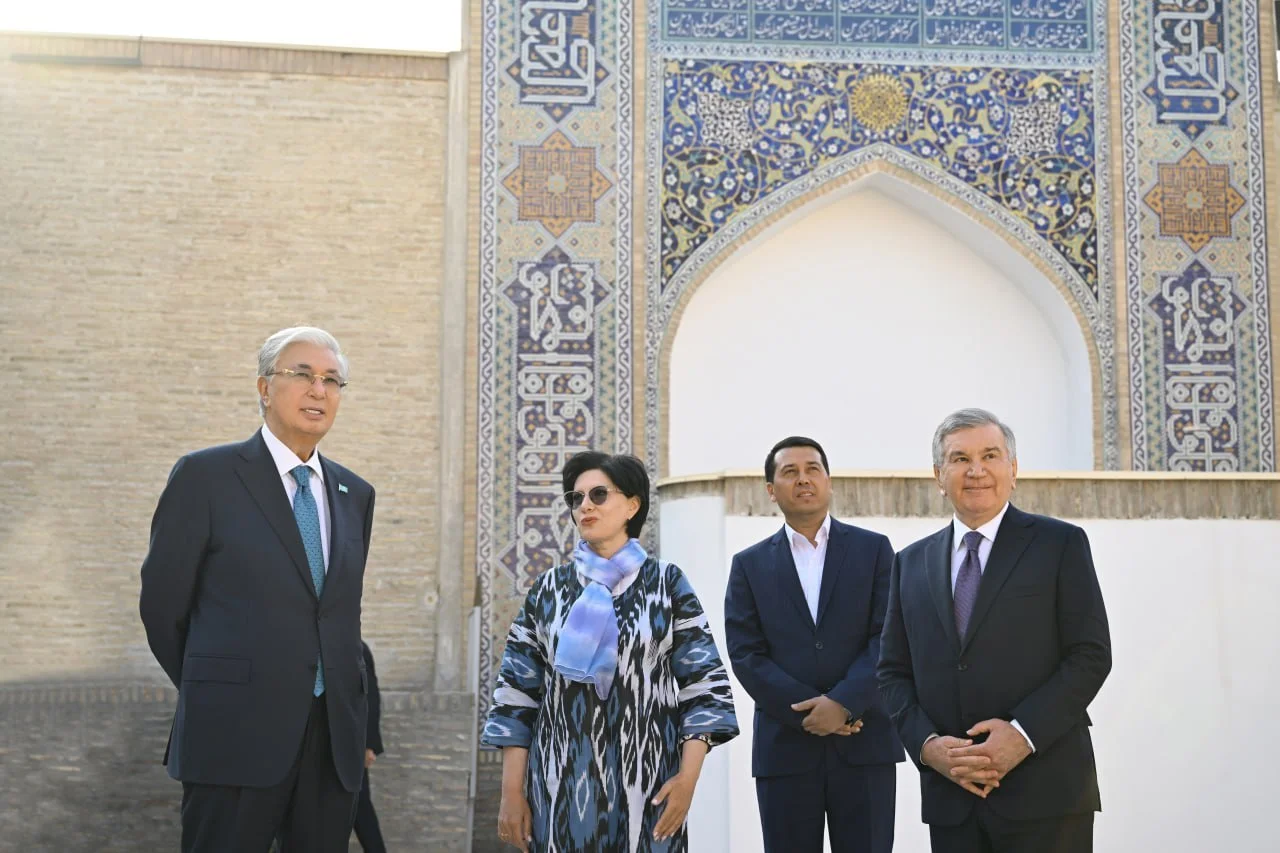
The President of Kazakhstan, Kassym-Jomart Tokayev, together with the President of Uzbekistan, Shavkat Mirziyoyev, visited the world-famous architectural monuments of the ancient and historic city of Bukhara. In particular, the high-ranking guest was shown the Ark Fortress, the Poi Kalon complex, and the Lyabi-Hauz ensemble.
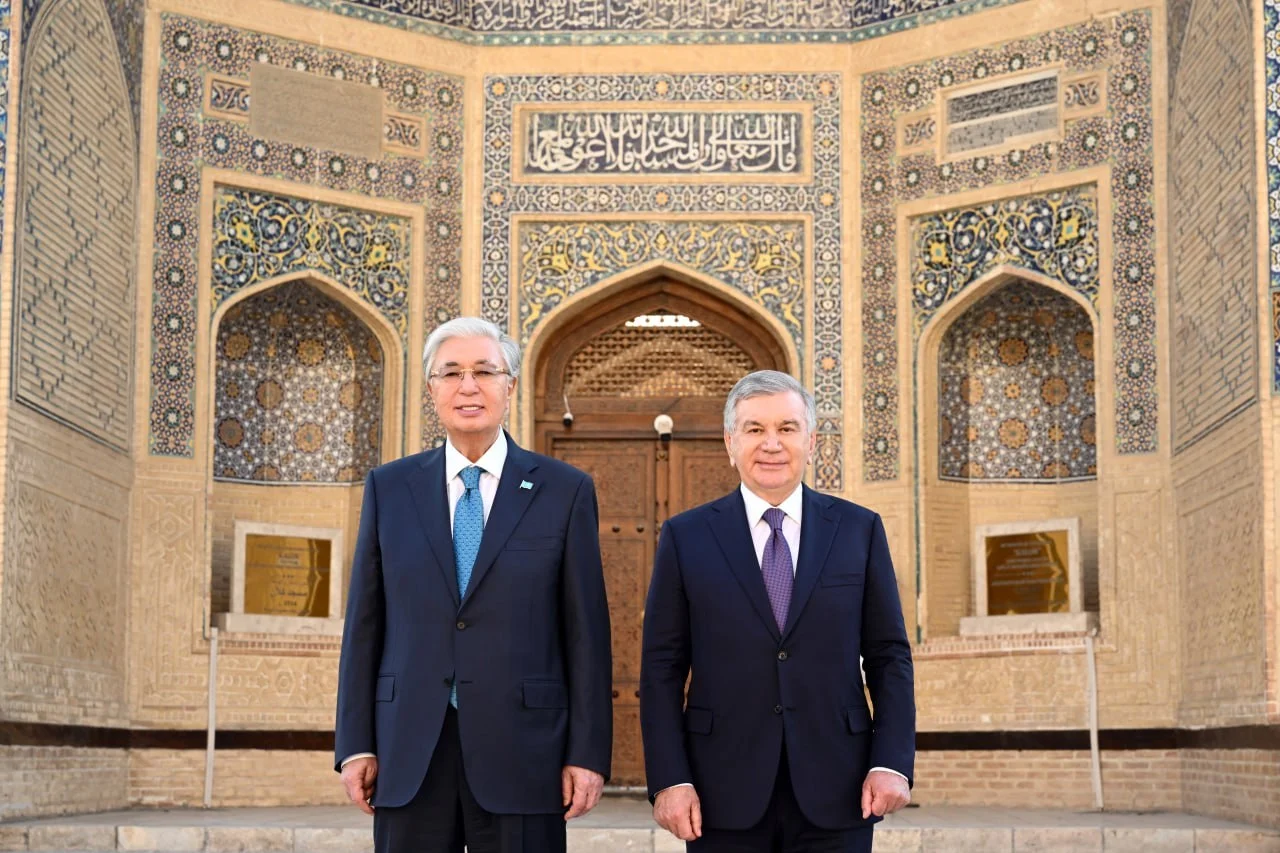
During the visit, the guests were provided with detailed information about the history of these unique historical monuments, their architectural style, as well as their role in the development of Eastern civilization, science, culture, and urban planning.
First, the delegation visited the famous Ark Fortress, which for many centuries served as the political and administrative center of Bukhara. According to historical sources, this fortress was formed over many centuries and in the later historical period became the main residence of the rulers of Bukhara. Today, it is one of the key parts of the historical center of Bukhara, included in the UNESCO World Heritage List.
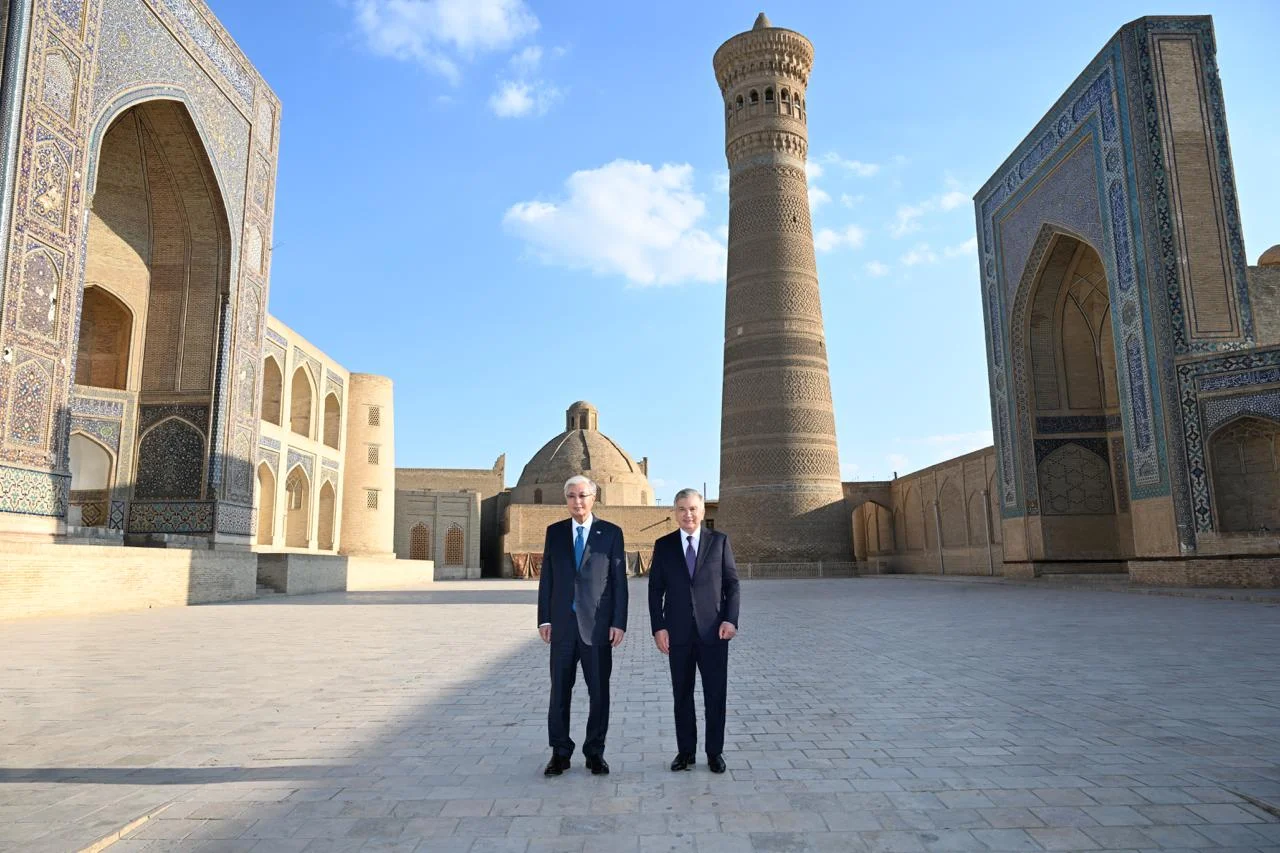
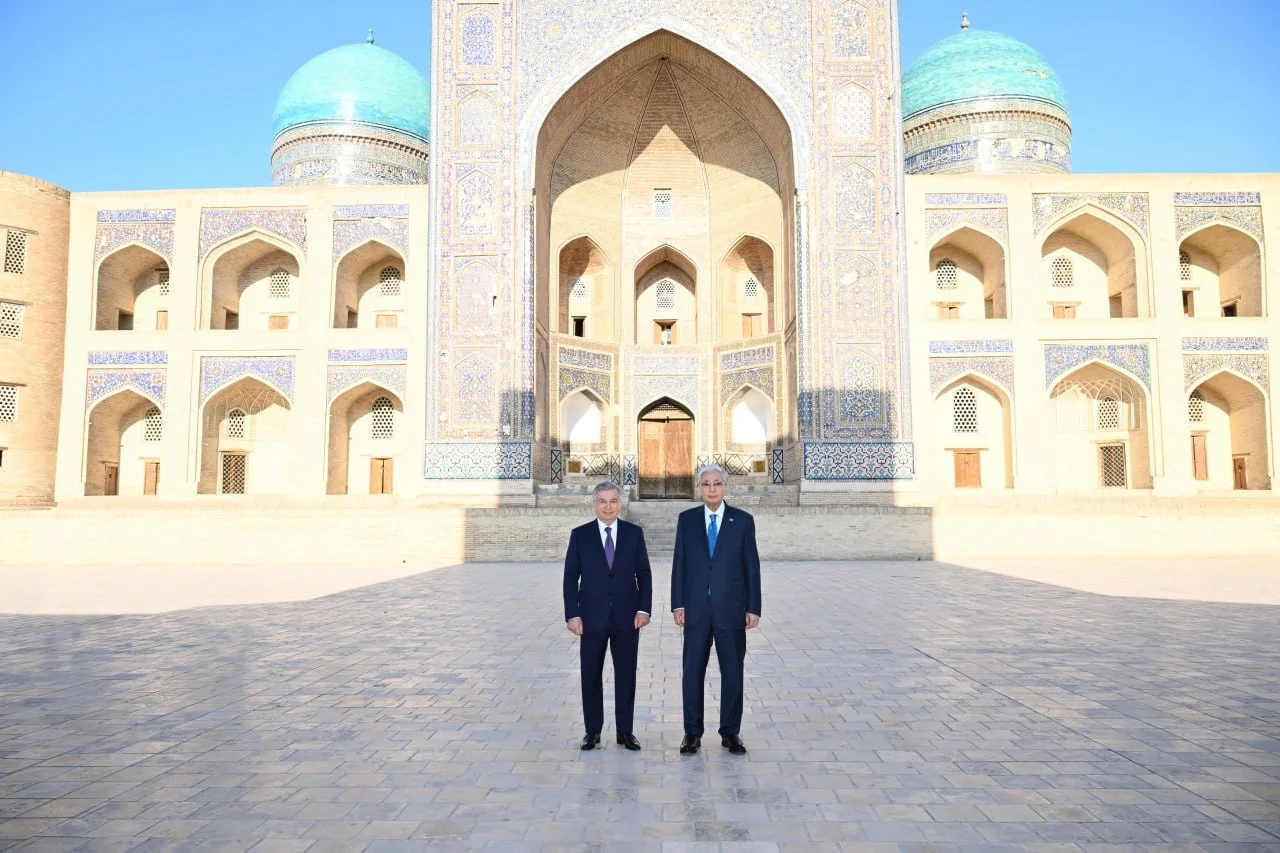
After that, the leaders visited the Poi Kalon complex — one of the most magnificent architectural ensembles of Central Asia. The famous Kalon Minaret, built in 1127, is the most notable monument of the complex and for centuries has served not only as an architectural symbol of Bukhara but also as the city’s true “visiting card.”
The complex also includes the Kalon Mosque, dating back to the early 16th century, and the Mir Arab Madrasah. This historical ensemble is rightly considered one of the brightest masterpieces of the Shaybanid era architecture.
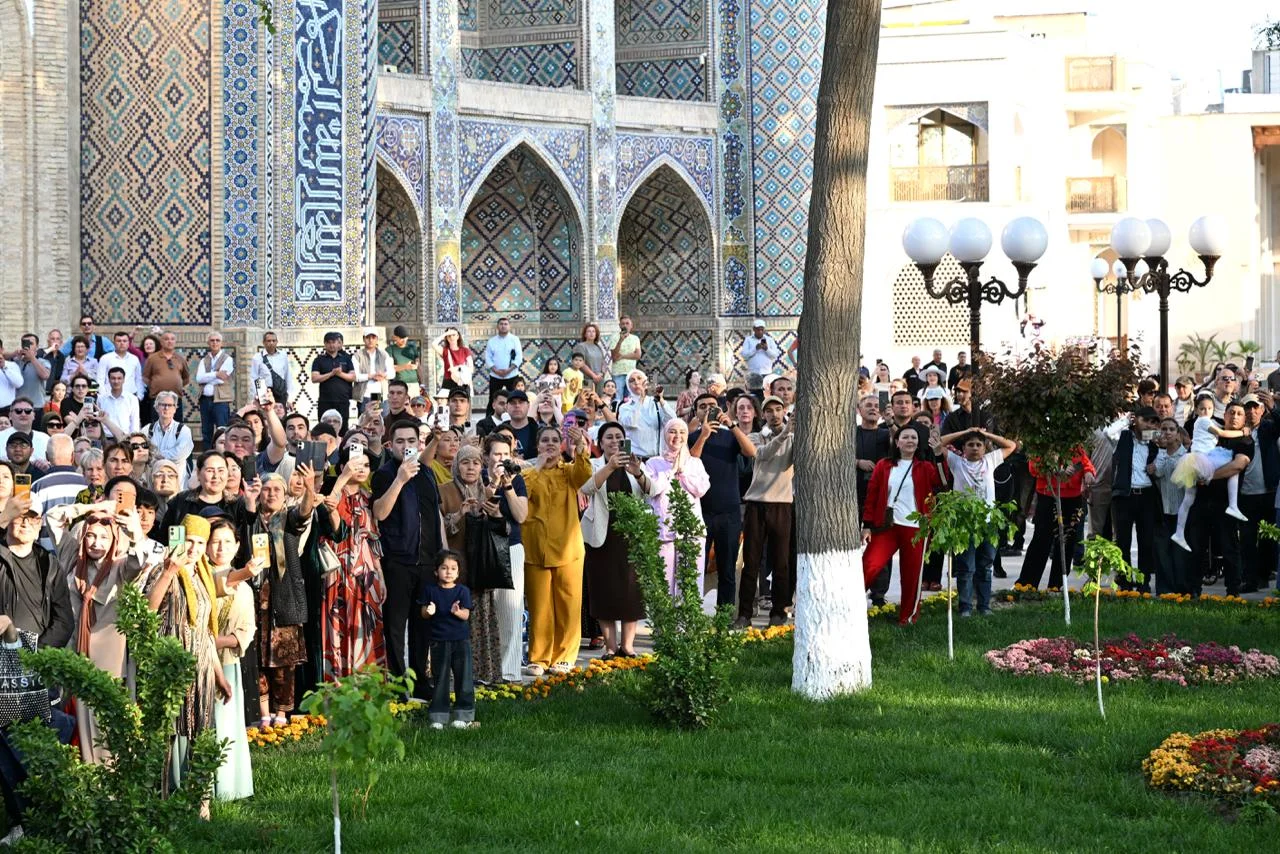
Then the delegation also visited the Lyabi-Hauz complex. This ensemble, built around an ancient water reservoir, includes the Kukeldash Madrasah, the Nadir Divan-Begi Madrasah, and a khanqah. For centuries, it has been an important spiritual center, attracting not only local residents but also travelers and scholars.
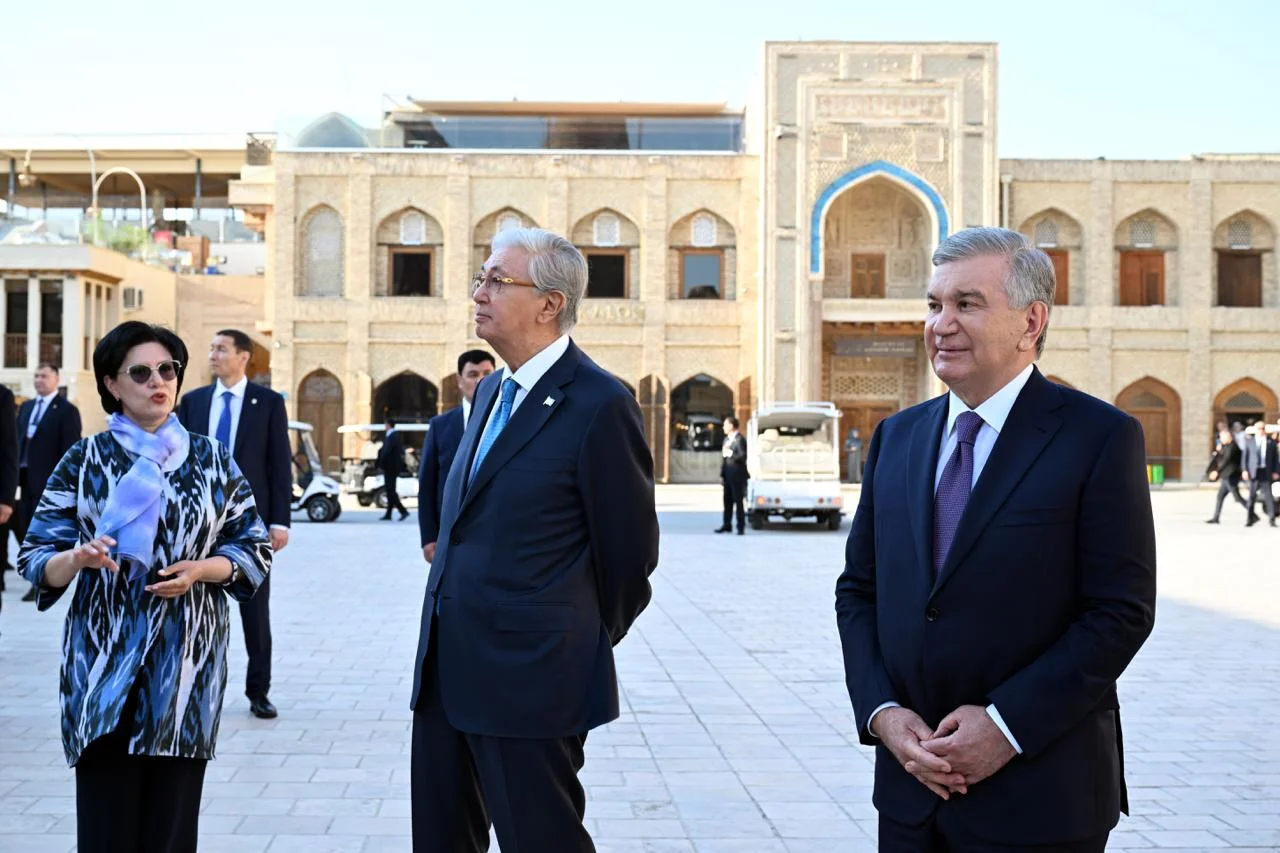
During the visit, examples of folk crafts, traditional decorative art, and the uniqueness of architectural ornaments were also demonstrated. In addition, the guests were informed that during the era of the Great Silk Road, Bukhara was one of the major centers of Islamic civilization, science, education, and trade.
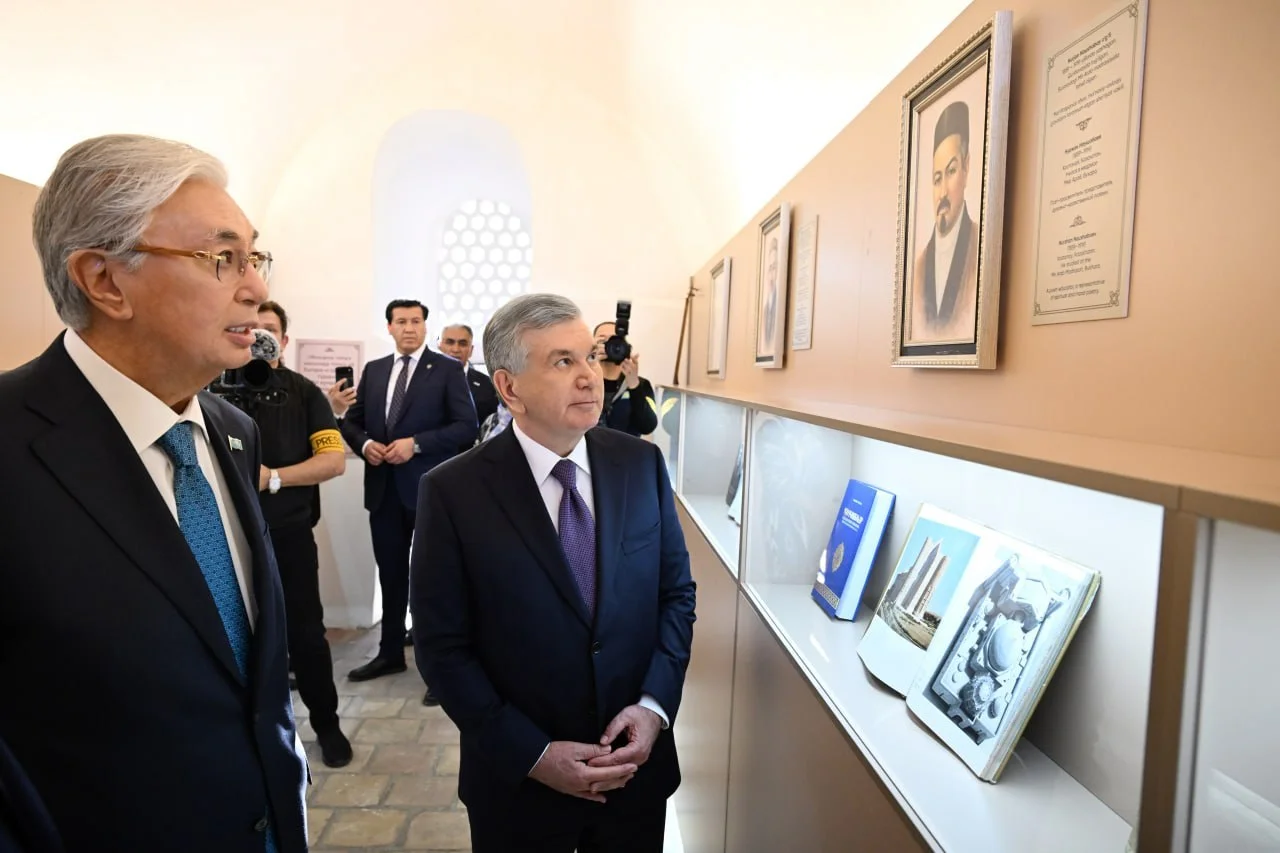
It was separately emphasized that Bukhara served as an important spiritual and educational center of the region. Many representatives of neighboring peoples, including Kazakh intellectuals and enlighteners, studied here, which forms an important page of the shared historical and cultural heritage of both nations.
In particular, the scholarly activity of famous figures such as Zhusup Kopeyev, Nurzhan Naushabayev, Shortanbay Kanayuly, and Sultanmakhmut Toraigyrov, who were connected with Bukhara madrasahs and made a significant contribution to the development of Kazakh literature and spirituality, was specially highlighted.



Comments 0
…