


Ukraine Nearing Ceasefire as Trump Envoy Identifies Two Major Obstacles
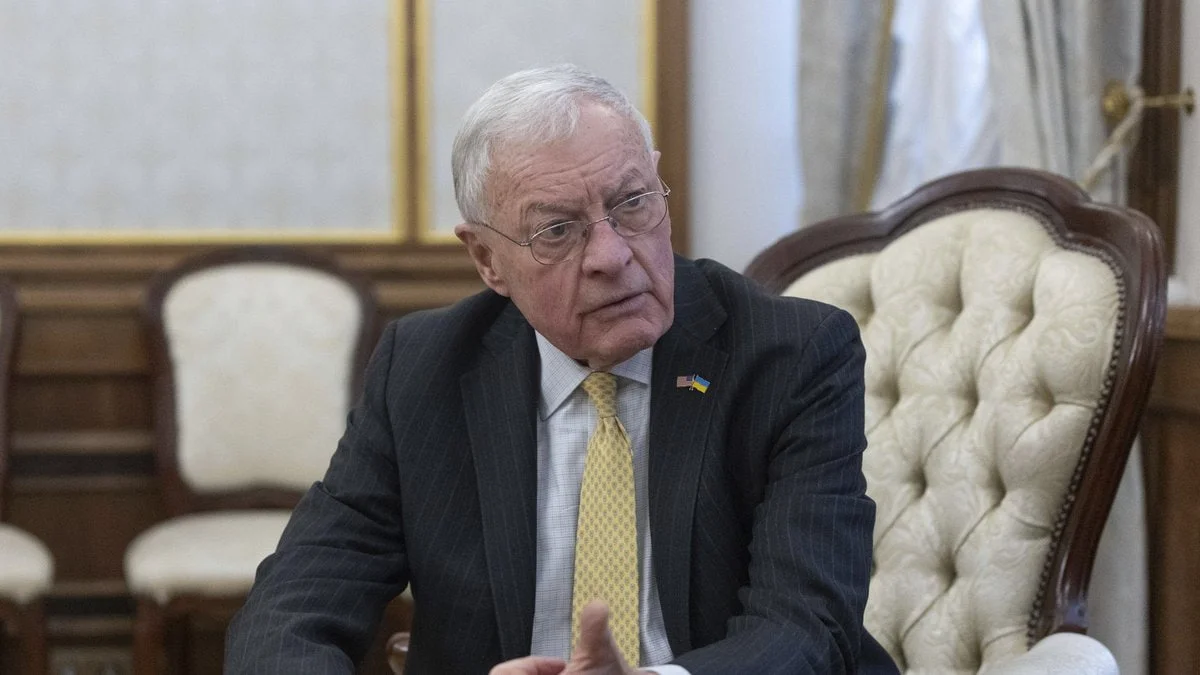
An agreement to end the war in Ukraine is reportedly “very close” to being signed. According to Keith Kellogg, U.S. President Donald Trump's special representative for Ukraine, the fate of the ceasefire depends largely on resolving two major issues — the future of the Donbas region and challenges surrounding the Zaporizhzhia Nuclear Power Plant (ZNPP).
Negotiation’s "Final Stretch"
Speaking at a forum organized by the Ronald Reagan Presidential Foundation in California on Saturday, December 6, Kellogg stated, “If we can resolve these two issues, I believe all remaining matters will be much easier to settle. We are almost there… We are indeed very close.”
He further remarked that the negotiation process is in the “last 10 meters of the marathon,” which is typically considered the most complex and challenging phase. Kellogg clarified that since the full-scale war began, the combined number of killed and wounded on both the Russian and Ukrainian sides has exceeded 2 million.
According to Reuters, Russia currently maintains control over 19.2 percent of Ukrainian territory.
ZNPP and Kushner’s Role
Preliminary U.S. proposals on resolving the issues around the ZNPP include:
1. Resuming operations at the plant.
2. Bringing the ZNPP under the oversight of the International Atomic Energy Agency (IAEA).
3. Splitting electricity production between Russia and Ukraine.
U.S. Special Envoy Steven Witkoff and Trump's son-in-law, Jared Kushner, are being highlighted as key figures in the negotiations. On December 6, Ukrainian President Volodymyr Zelensky announced that he had a lengthy and “substantive” phone conversation with Kushner. Meanwhile, the Kremlin suggested that Kushner might take a leading role in preparing the agreement.
European Leaders’ Meeting
The negotiation efforts led by the U.S. have also garnered significant attention from European nations.
French President Emmanuel Macron is set to meet with Ukrainian President Volodymyr Zelensky, UK Prime Minister Keir Starmer, and German Chancellor Friedrich Merz on December 8 in London. The primary objective of the meeting is to “critically evaluate” the progress made under U.S.-led efforts.



Comments 0
…