


The US has introduced a mandatory paid collateral for tourist visas
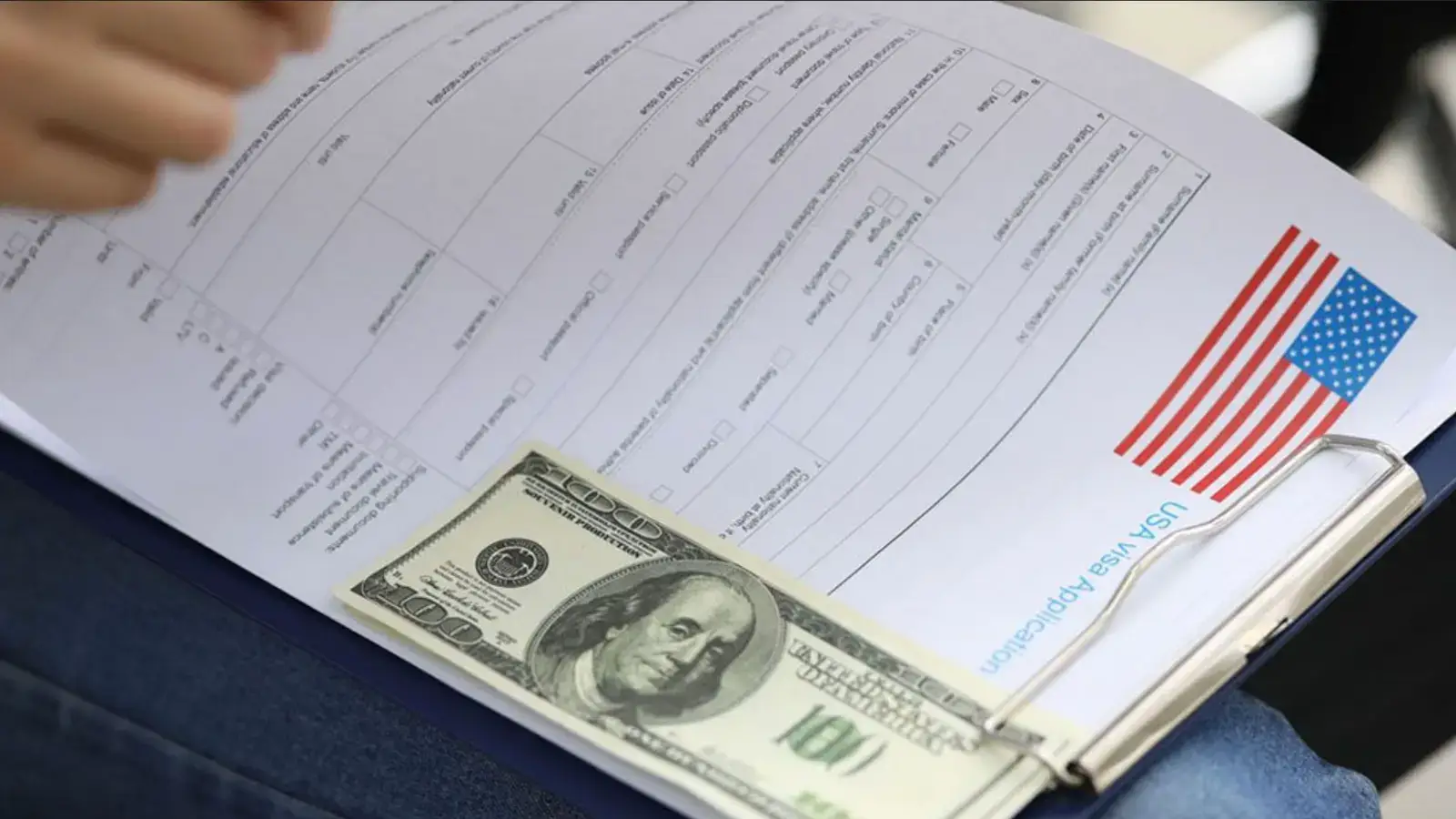
The US State Department has announced a new procedure for B1/B2 (tourist and business) visas: citizens of some countries will have to make a mandatory monetary deposit (bond) during the visa process. This measure is mainly applied to countries where visa violations (overstays) are assessed as high.
Which countries are on the list?
The State Department has published a list of "countries requiring visa collateral," which also indicates the effective date. From Central Asia, in particular:
- Kyrgyzstan - from January 21, 2026
- Tajikistan - from January 21, 2026
- Turkmenistan - from January 1, 2026
The list also includes a number of countries from Africa, Asia, the Caribbean, and Latin America (for example, Venezuela, Nigeria, etc.). The list is given as "last updated" as of January 6, 2026.
What is the collateral amount?
If the applicant is deemed "suitable" for the B1/B2 visa, they will make a deposit of $5,000, $10,000, or $15,000. The exact amount is determined by the consul during the visa interview. At the same time, Form I-352 of the SHS (Form I-352) is also provided.
Where and how is payment made?
Most importantly: the pledge is paid only after the consul gives instructions. The applicant will receive a direct official link to pay through Pay.gov, and it is strictly stated not to use third-party websites.
Another "cold shower" - paying a deposit does not guarantee a visa. It is also explicitly stated that money paid without the consul's instructions is non-refundable.
There are also restrictions on entry and exit to the USA
Those with a pledged visa are required to enter and exit the United States only through designated airports:
- Boston Logan (BOS)
- New York JFK
- Washington Dulles (IAD)
If this condition is not met, entry may be denied or exit may be incorrectly recorded - which may further increase the problem.
When will the pledge be returned, when will it "burn"?
According to the Department, the pledge is automatically returned in the following cases:
- Departure from the U.S. within the permitted timeframe is recorded by the DHS;
- does not travel to the USA at all before the expiration of the visa;
- denied entry to the U.S. at the airport.
However, if conditions such as staying longer than the visa period are violated, the case will be sent to USCIS, where the collateral terms will be reviewed.
Conclusion
In short, the B1/B2 visa is transitioning from a lighter "I bought - I flew" format to a much stricter controlled regime: someone receives $5,000, someone receives $15,000 in "deposit-regime." If you have a trip plan, it is useful to check the official list and dates again before submitting an application - the list is updated from time to time.



Comments 0
…