


Iranian President apologizes to neighboring countries after missile attack
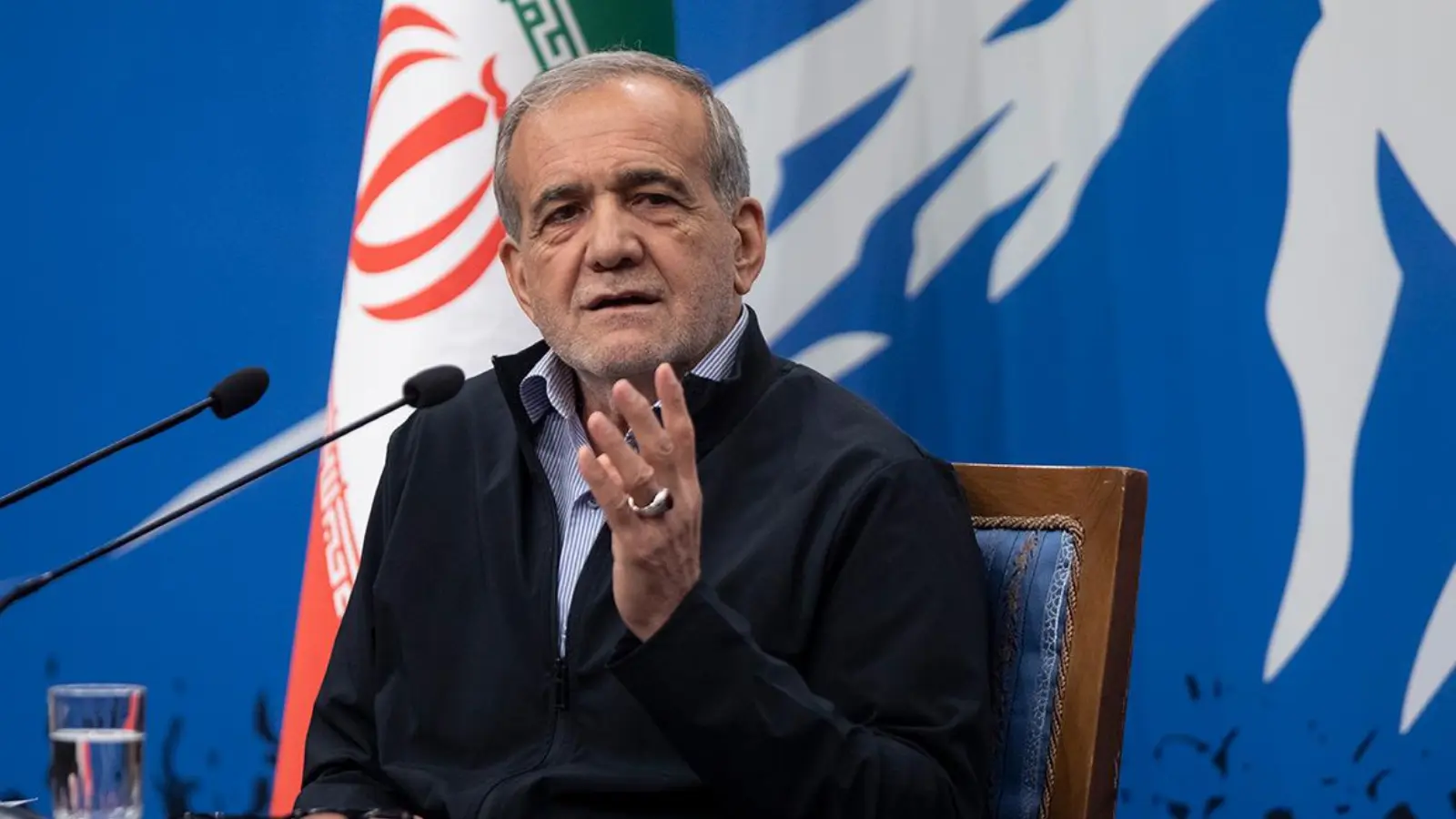
In a televised address broadcast on state television, Iranian President Masoud Piz Pizziqian made important statements on the country's security policy. He openly stated that he would apologise to neighboring countries, especially those affected by the recent strikes.
According to the president, the leadership, commanders, and students were killed as a result of "savage enemy attacks." At the same time, Piziskyan emphasized that the Armed Forces had taken "all necessary measures" to protect the country, highlighting Iran's position towards its neighbors:
He stated that Iran does not aim to strike neighboring countries; on the contrary, it considers them "brothers" and strives to jointly ensure peace and tranquility in the region.
New "red line" towards neighbors
Piziskyan also touched upon the decision made at the meeting of the Interim Leadership Council. He emphasized that the decision is as follows: until an attack on Iran by neighbors occurs, targets in their territory will not be hit, and missiles will not be launched.
That is, according to the official statement, Tehran does not want to expand the conflict with its neighbors - it is only expressing a position on the condition that "if the source of the attack is from that side."
The response to Trump's statement was harsh
Pisziskyan reacted extremely sharply to US President Donald Trump's statement that "Iran must surrender unconditionally." He called this idea "the dream that they carry to the grave." That is, from Tehran's point of view, such a demand does not correspond to real life and is unacceptable.
Northern Iraq and "Don't turn into a puppet" warning
There is another important point in Piziskyan's address: he touched upon the topic of armed groups in northern Iraq, which the US is allegedly trying to use. The President addressed groups in neighboring countries planning to act against Iran, urging them not to become "weapons of imperialism" for the US and Israel.
He believes that there may be disagreements with neighbors, but such actions supported by external forces are considered "dishonorable."
Conclusion
This televised address looks like Tehran's attempt to hold two paths together in the current situation:
on the one hand - a firm political position and a rejection of external pressure,
on the other hand - the desire not to cut ties with the region's neighbors, not to further expand the conflict.
Now the main intrigue is one: how quickly and to what extent this statement becomes a reality in the field. Because today's region is a place where the "situation" changes faster than a statement.



Comments 0
…