


Trump applauded the needless executions in Iran and set four conditions
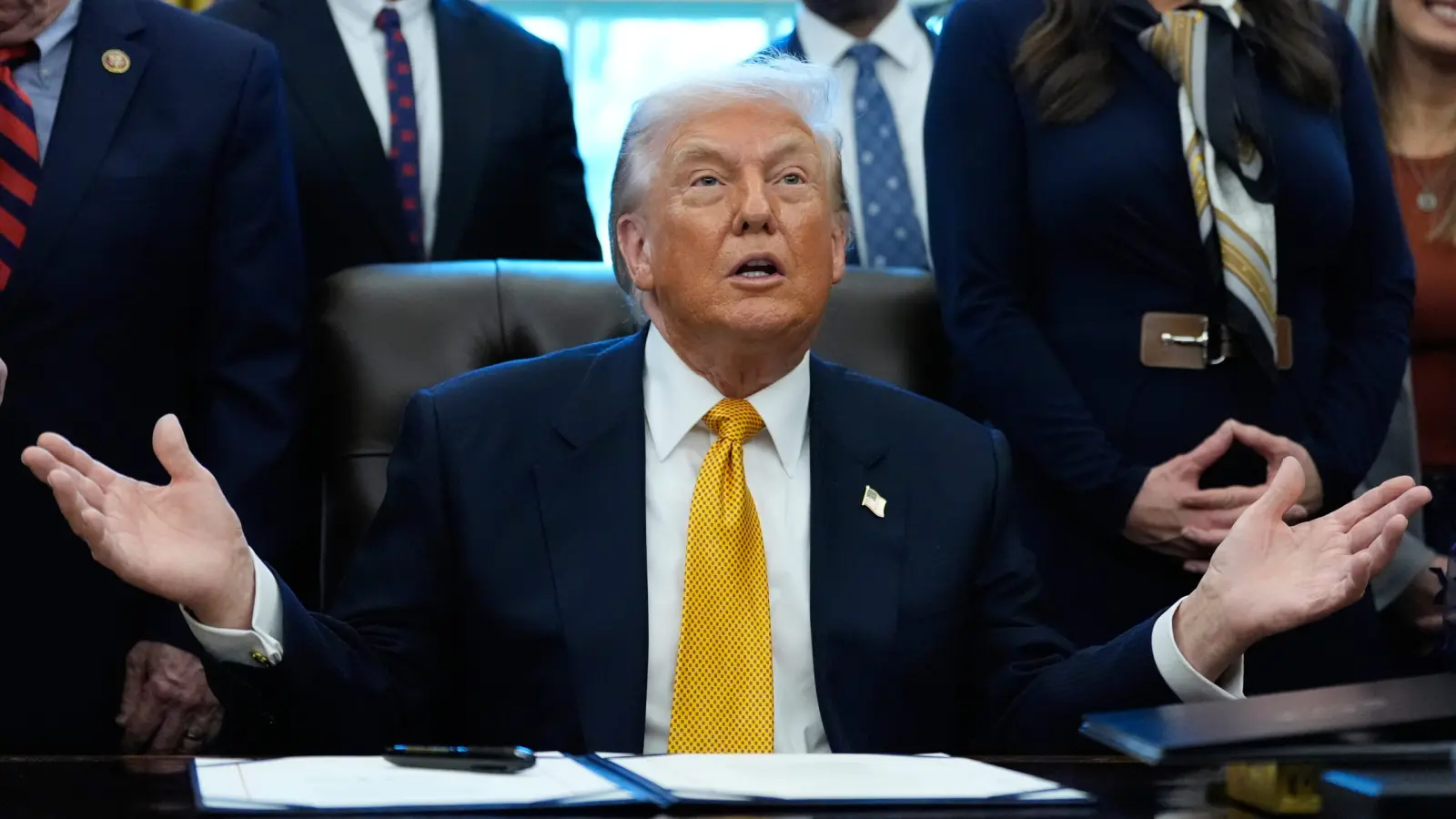
US President Donald Trump openly welcomed the news of the lifting of executions for citizens detained following mass protests in Iran. On his Truth Social page, he congratulated the Iranian leadership on reversing the execution sentences (more than 800) that were supposed to be executed by hanging, expressing "very happy" and "thank you."
Trump's statement is not accidental. He previously warned that harsh punishments against protesters in Iran, especially if executions are carried out, could lead to harsh measures against the current leadership. Therefore, it is said that the information about the cancellation of executions also affected the position in Washington.
Human rights organizations have been raising alarm in recent weeks about the possibility of preparing death sentences for hundreds of people detained during the wave of protests that shook Iran. At the same time, Iranian Foreign Minister Abbas Araqchi stated that Tehran does not intend to kill the protesters.
How did the protests begin?
According to reports, mass protests in Iran began on December 28, 2025, in Tehran's large market: many merchants closed their stores in protest against hyperinflation and sharp price increases. The movement quickly spread throughout the country, and the protests, which began with economic demands, later took on a political character.
Western media, citing human rights organizations, reported that more than 2,400 people were killed and 18,000 were arrested during the protests. At the same time, it is known that Tehran officials did not always express the same interpretation in this direction.
Why has Trump refrained from a military strike for now?
The text emphasizes that Trump, stating on January 16th that he had decided not to launch a military strike on Iran, cited the cancellation of the death sentences as the basis. However, political analysts say that there are several other important factors behind this decision.
The first factor is the diplomatic efforts of Saudi Arabia, Qatar, Egypt, and Oman. These countries, expressing concern that military measures against Iran could exacerbate instability in the Middle East and negatively impact the global oil market, reportedly attempted to persuade Washington to give Tehran another chance.
The second aspect is the information that Israeli Prime Minister Benjamin Netanyahu, during a phone call, asked Trump to postpone the attack on Iran.
The third factor relates to security calculations: during discussions, Trump's national security advisors stated that the collapse of the regime in Iran cannot be guaranteed in a short time, and expressed concerns that Tehran's possible harsh retaliatory measures could affect US troops stationed in the region and Washington's allies, including Israel.
Washington's four demands
In this way, the US administration, expressing hope for a diplomatic settlement of the situation, put forward four conditions to Iran. These include establishing uranium enrichment standards, reducing missile arsenals, clarifying the issue of enriched uranium, and mitigating the situation through Iranian proxies.
Internal situation: discontent is subsiding, but politics is heating up
According to the latest reports, protests in Iran have subsided significantly. It is noted that Iranian President Masoud Pezeshkian issued a statement on January 15th stating that the government is seeking solutions to the economic problems that caused the protests.
Currently residing in the US, 65-year-old Prince Reza Pahlavi - the son of Shah Muhammad Reza Pahlavi, who was overthrown in 1979 - is reportedly urging Washington to take more decisive steps to overthrow the Islamic Republic regime in Iran. It is also recalled that in various interviews he expressed his readiness to return to Iran and has been calling on protesters to seize major cities.
Analysts emphasize one thing: the US's long-term strategic plan to overthrow the Islamic Republic of Iran militarily has not been completely canceled, and if a favorable political situation arises, this scenario may return to the agenda.
The conclusion is this: the cancellation of execution sentences could be an important signal to reduce tension for today. But the big game in US-Iran relations is not over yet - the parties are watching each other's next steps.



Comments 0
…