


Artificial intelligence-generated fake decisions exposed in Indian court
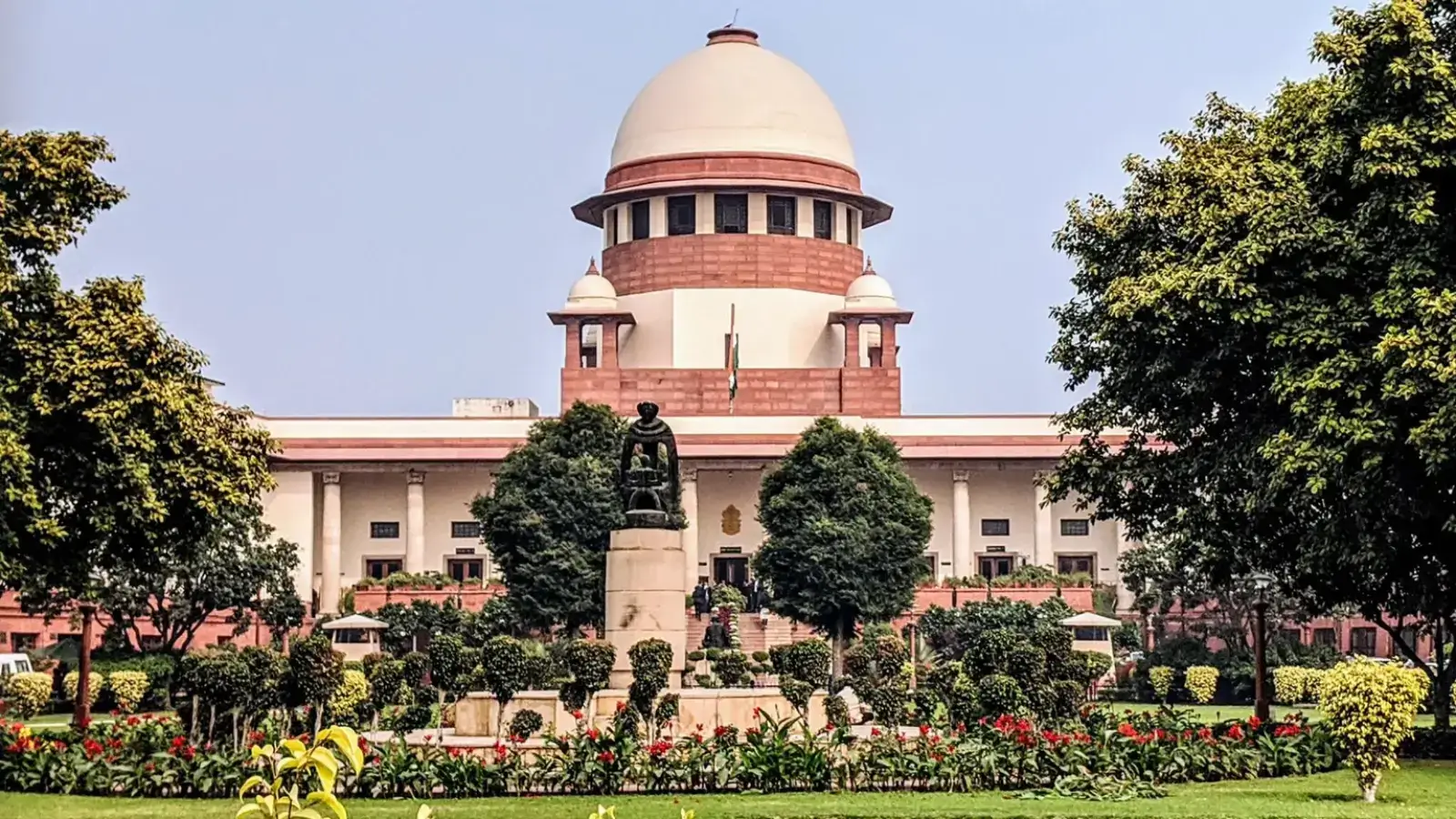
Photo: Getty Images
The development of technology not only makes life easier, but also creates unexpected and dangerous problems. This incident caused a great stir in the Indian judicial system: fake documents fabricated by artificial intelligence (AI) reached the courtrooms.
The Supreme Court of India decided to review the decision issued by the lower court in the state of Andhra Pradesh. This case was assessed as an "institutional concern" in the country, as false information created by digital intelligence undermined the integrity of the judiciary.
The Vijayavada Incident: The Phantom Sources Trap
The problem began in August of last year. A young judge in Vijayawada, while reviewing a disputed real estate case, relied on four prior court documents to justify his decision. However, later it turned out that these decisions did not exist in history at all - they were "fabricated" by an artificial intelligence system.
For reference: Generative AI systems sometimes succumb to "hallucinations" - that is, they present false information as truth and even invent fake sources for it.
Sharp position of the Supreme Court
Initially, the state Supreme Court upheld the decision, considering the judge's error to have been committed with "good intentions." However, after repeated appeals from the defendant, the country's Supreme Court took the situation more seriously:
- Disciplinary violation: The Supreme Court called this not a simple mistake, but a serious disciplinary violation.
- Suspension of the case: The execution of the decision on the property dispute has been temporarily suspended.
- Human control: The court strongly emphasized the need to "use real intelligence rather than artificial intelligence."
Global "technological crisis"
India is not alone in this regard. The negative impact of AI on the judicial system is observed globally:
- USA: Federal judges were criticized for using AI tools and making mistakes in decisions.
- England and Wales: The High Court officially warned lawyers not to use fake "case materials" created by AI.
Solution: "White Book" and new guidelines
The Supreme Court of India has issued a special instruction - a "white book" - to take the situation under control. It highlights the safe limits of AI use and the importance of human oversight for lawyers and court officials.
In your opinion, is it possible to fully rely on artificial intelligence in responsible areas, for example, in the judiciary or medicine?
Follow the most important news in the world of technology and law on the zamin.uz website.



Comments 0
…