


Moscow, Beijing, and Pyongyang issued sharp statements regarding Iran
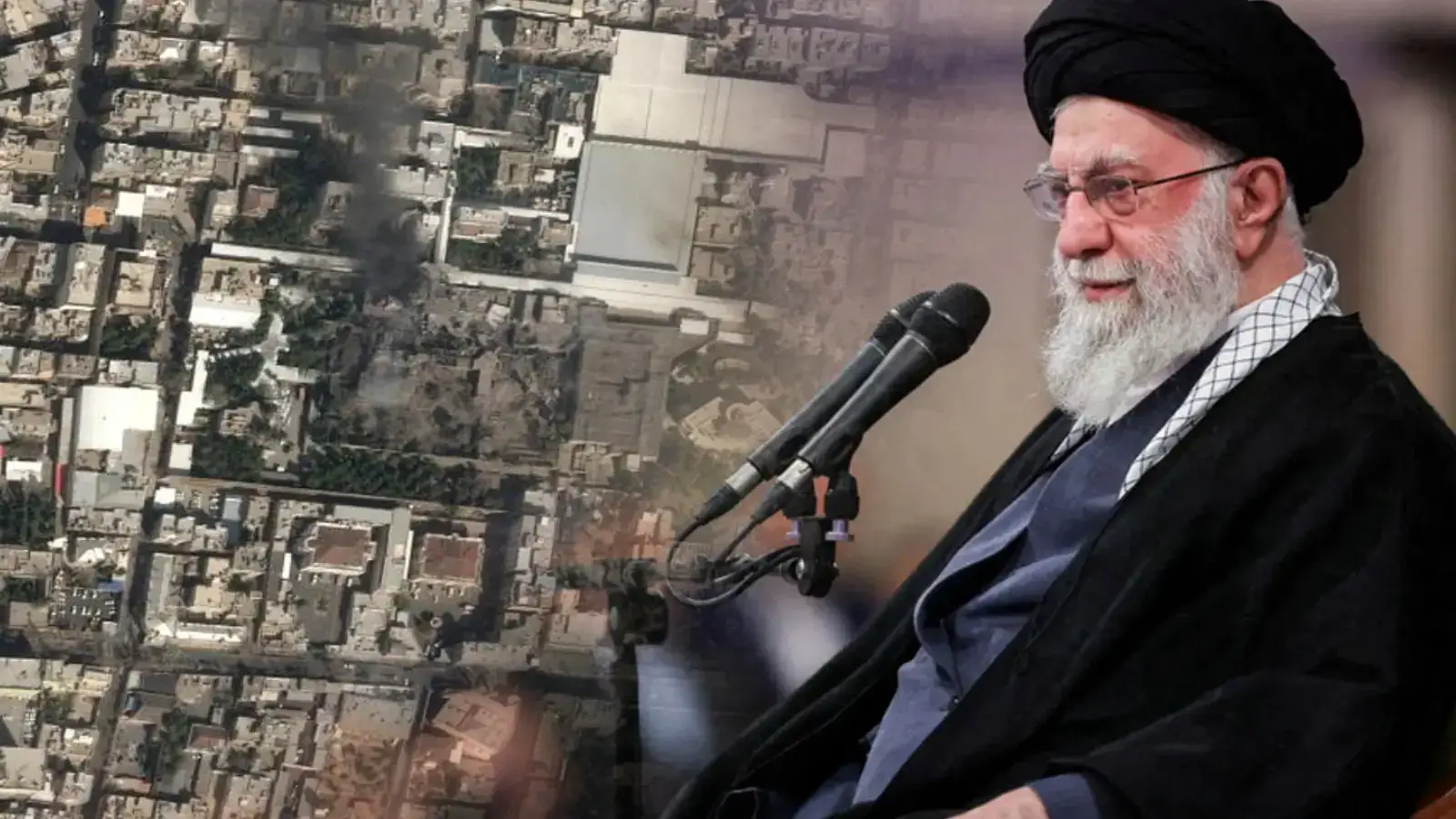
Photo: AP
After the death of Ayatollah Ali Khamenei, the geopolitical chain around Iran became even more tense. Russia, China, and North Korea reacted to this event almost simultaneously, harshly criticizing the actions of the US and Israel. These statements show that the crisis in the Middle East is now turning into a global political confrontation involving not only regional, but also large states.
According to the Kremlin, Russian President Vladimir Putin expressed condolences to the Iranian side in connection with the death of Khominai. He called the incident "a gross violation of human moral norms and international law." According to Reuters, Putin assessed the killing of Khaminai as "ugly" and a very serious crime, but so far Moscow has not seen any significant practical steps beyond condolence.
This statement seems even more significant against the backdrop of Russian-Iranian relations. Because in recent years, there have been many international reports that Moscow has been using Iran in the war in Ukraine, especially in terms of drone technologies. A year ago, Putin described Tehran as a strategic partner. However, Reuters reminds that when Israel attacked Iran in June 2025, the Kremlin refrained from military intervention and limited itself mainly to political condemnation.
China also expressed a very sharp and clear position. In Beijing's official foreign policy statement, Khamenei's assassination was assessed as a serious violation of Iran's sovereignty and security, a violation of the goals and principles of the UN Charter. China declared its "strict condemnation" of this event and called for an immediate cessation of military operations, preventing further escalation of the situation, and maintaining peace in the Middle East and throughout the world. This formula is given in the same context in the official statement of the Ministry of Foreign Affairs of China.
This Chinese appearance is not accidental. Because Beijing is not only one of Russia's important economic supports, but also a major buyer of Iranian oil under Western sanctions. Therefore, any major escalation around Iran is a very sensitive issue for China, both in terms of energy security and foreign policy balance. Reuters emphasized this.
North Korea, however, issued a rather harsh and ideologically motivated statement. Reuters reports that Pyongyang called the actions of the US and Israel against Iran "illegal aggression." A representative of the DPRK Foreign Ministry described US actions as "hegemonic and gangsteric" and openly condemned this practice. This statement was also disseminated through the DPRK's state media.
This North Korean position also seems politically logical. Because Pyongyang and Tehran have been mentioned in the strong anti-US conflict camp for many years. As mentioned in the text, there is historical information that Ayatollah Khaminai's last official foreign visit to North Korea took place in 1989. This makes this statement significant even against the symbolic backdrop of relations between the two countries. This historic claim is widely cited on the internet, but the main burden of today's rapid political statement falls on the current geopolitical position.
In short, after Khamenei's death, Moscow, Beijing, and Pyongyang practically agreed on one point: all three sides condemned the actions of the US and Israel, putting forward the issue of international law and sovereignty. This means that the crisis around Iran has now become not just a military one, but a new field of pressure between the rhetoric of large powers and global blocs.



Comments 0
…