


Seoul court sentences former Prime Minister Han Deok-soo to 23 years in prison
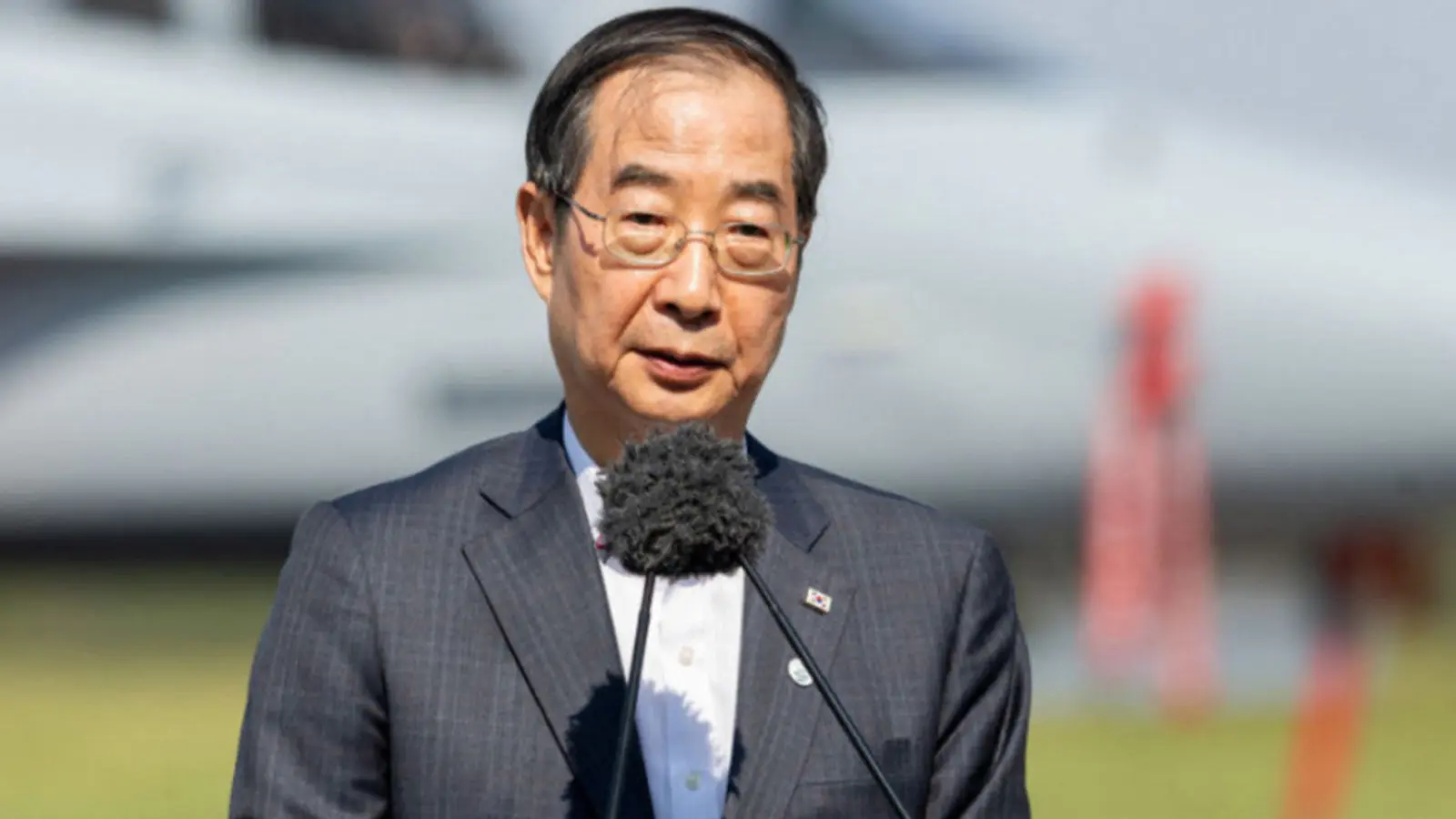
In one of the most dramatic court decisions in South Korea since the December 2024 martial law political crisis, the Seoul Central District Court has sentenced former Prime Minister Han Deok-soo to 23 years in prison in a case related to former President Yun Seok-yol's attempt to impose martial law.
Why did the court increase the sentence?
According to the court, the case was not a simple "political mistake" - it was considered a rebellion (an attempt to overthrow the government, a "self-coup"). The investigation and court materials indicate that Han Deok-soo was involved in actions that served to "legitimize the decision on paper": in particular, episodes such as legitimizing the conditional "cabinet process" to formalize the decision, manipulating documents, destroying some evidence, and later giving false testimony in court.
One of the most discussed aspects is the issue of documents related to the martial law decree. In some sources, Han Deok-soo is mentioned in the context of an attempt to legalize the decree retroactively.
The prosecution requested 15 years, the court gave 23 years
Interestingly, the prosecution demanded a 15-year sentence, but the court, considering the case an “extremely dangerous scenario” for state systems and democracy, issued a much harsher sentence. After the verdict was announced, it was reported that Han Deok-soo was arrested in the courtroom itself.
The former prime minister denied the charges, said he was unaware of the martial law plans, and said he would appeal the decision.
How did it all start?
Recall that on December 3-4, 2024, former President Yun Seok-yol declared martial law, explaining this with pretexts such as the “North Korean threat.” However, the parliament quickly overturned this decision, and then impeachment proceedings against Yun Seok-yeol began.
After that political storm, Han Deok-soo also served as acting president for a while, and then it was noted that there were separate decisions on his impeachment.
The Yun Seok-yeol case is also ongoing
According to sources, a number of cases involving Yun Seok-yeol are still being considered in the courts: he has already received prison sentences for some episodes, and in another direction, there are reports that the prosecutor's office is also demanding the death penalty.
What does this decision mean?
This ruling clearly sets a "border" for South Korea: any illegal power scenarios in state governance can later return as criminal liability, not as "political disputes." In the coming months, the appeals process and subsequent decisions in the Yun Seok-yol case are likely to have a major impact on the country's politics - in short, there are still more episodes of this drama to come.



Comments 0
…