


New balance in Venezuela: U.S. demand and domestic unity
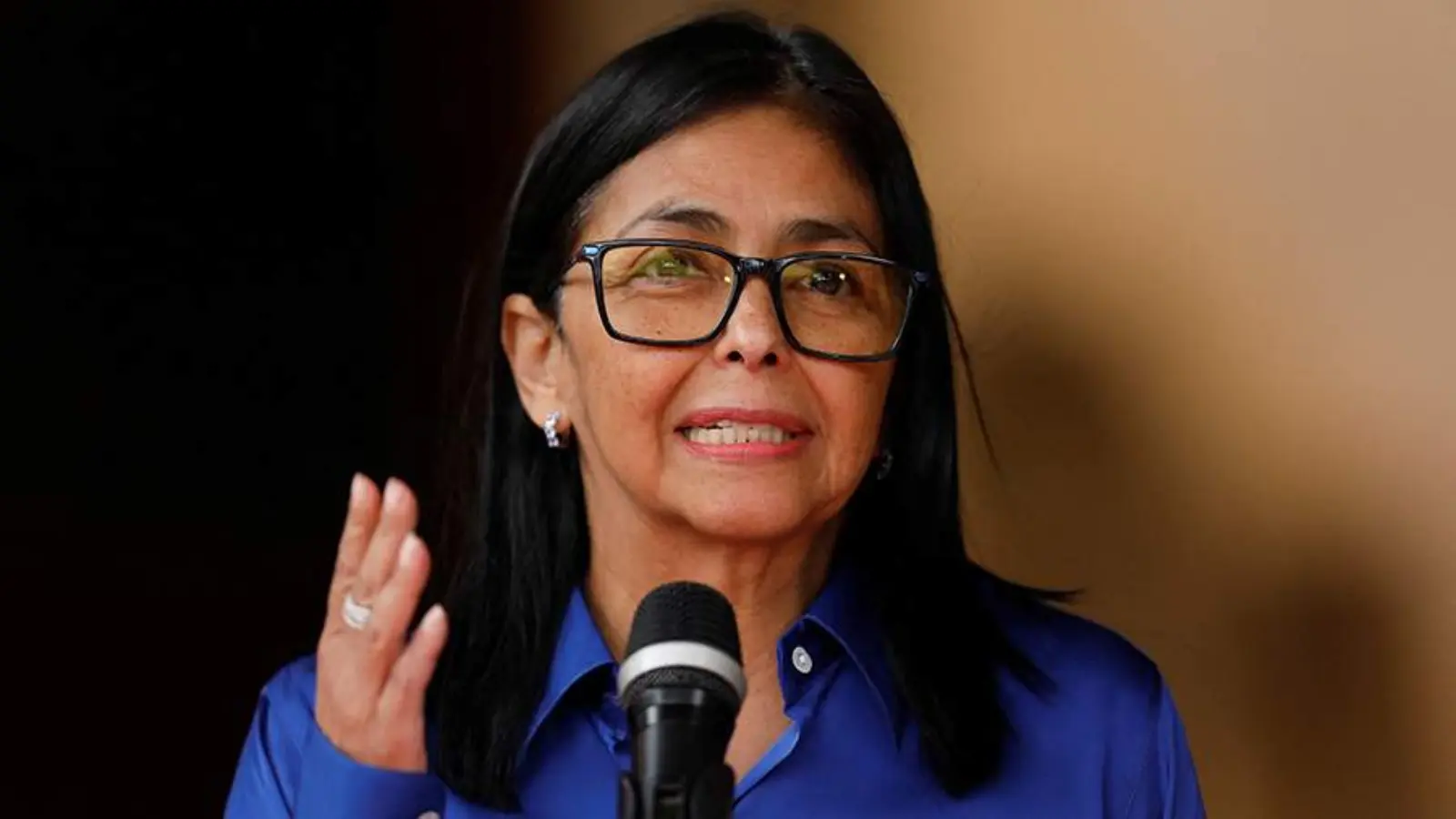
According to CNN, the Venezuelan political scene is facing another complex turning point. Deliciously speaking to oil workers in Puerto la Cruz, Delsey Rodriguez (as quoted in the source) called on local politicians to resolve internal disagreements themselves, despite "commands from abroad." He emphasized that Venezuela paid a very high price "in the fight against fascism and extremism."
This call is not a simple political slogan - the situation is under very strong pressure. The source notes that after President Nicolas Maduro was captured by US special forces in early January, Rodriguez simultaneously "spread his wings" on two fronts: on one side, the demands of the White House, and on the other, the task of gathering support from the population and internal camps.
The text states that Washington expects several steps from Caracas: severing economic ties with China, Russia, Iran, and Cuba, transitioning to exclusive cooperation with the US in oil production, and giving preference to American companies in the sale of heavy oil. These requirements, to put it simply, resemble the sentiment of "oil is ours, politics is ours." Therefore, Rodriguez has to "walk on the ice": on the one hand, maintain the position that "the US is not controlling Venezuela," and on the other hand, implement certain requirements to reduce the risk of new sanctions or military actions.
In the internal field, the question of unity is even more difficult. According to the source, the country is divided between supporters of Maduro, the left-wing opposition, and various groups that rely on the political legacy of "Chavist-Madurists" - Hugo Chavez. So, the main mission for Rodriguez is to put the groups at the same table, to find a balance that won't "explode" in communication with Washington at the same time.
Against this backdrop, another important signal was given: it is said that on January 25, the Venezuelan government released 104 people imprisoned for political reasons. It is noted that this process has been ongoing since January 8, and Donald Trump stated that the liberations are being carried out at the request of the US administration. This step resembles, on the one hand, an attempt to ease external pressure, and on the other hand, a "cautious release of air" in the internal environment.
Now there's one question: How long can Caracas maintain this balance? If internal camps are further fragmented and external demands intensify, the political "window of compromise" can quickly close. But if Rodriguez truly unites different forces around one goal and the center of decision-making in the country remains "inside," the path to what Venezuela needs most - stability - may open up.
The current reality is this: Venezuela is forced to defend not only its oil, but also its sovereign right to make decisions. Who will emerge stronger - external pressure or internal unity - will be revealed very quickly in the coming weeks.



Comments 0
…