


The ball is in Iran’s court: Vance issues firm demands to Tehran
Quick readAI-generatedShow
- Following unsuccessful negotiations in Islamabad, U.S.
- Vice President JD Vance has issued a stern warning to Tehran, stating that the next move rests entirely with Iran.
- Washington is demanding strict control over Iran's enriched uranium and the full opening of the Strait of Hormuz, labeling Iranian attempts to charge ships as "economic terrorism."
- Vance threatened a total blockade of Iranian ports if these demands are not met, while experts warn that the escalating tension could continue to drive up global oil prices.
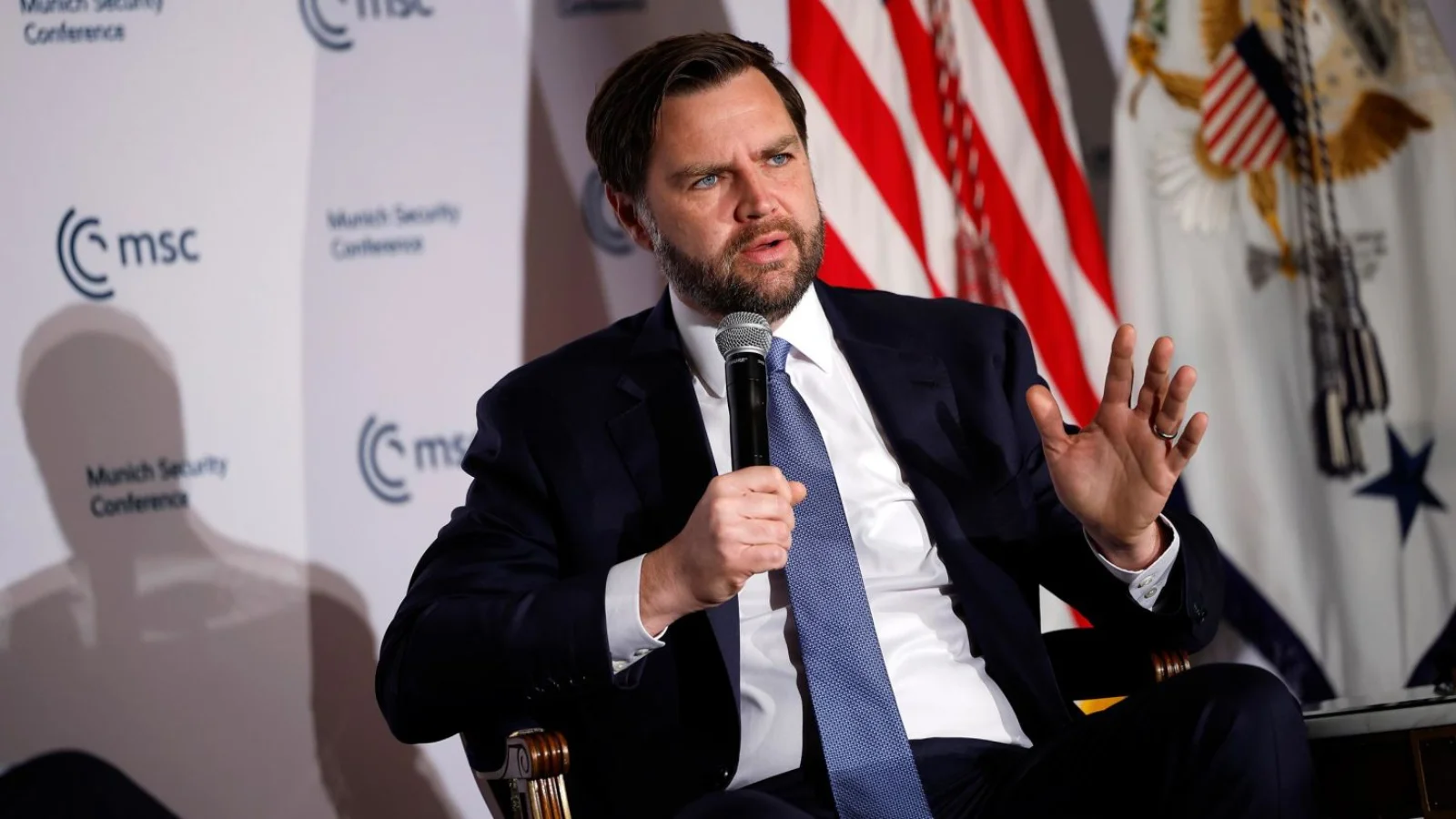
Photo: cnn.com
The situation on the political chessboard of the Middle East is taking on an extremely tense character. U.S. Vice President J.D. Vance, after difficult negotiations in Pakistan, sent Tehran a final warning. Zamin.uz presents the details of these important statements affecting global economy and security.
Negotiations in Pakistan: Why was no agreement reached?
U.S. Vice President J.D. Vance held face-to-face talks with Iranian officials in Islamabad on April 11–12. However, the expected result was not achieved. According to Vance, the Iranian delegation did not have the authority to make final decisions and was forced to constantly return to Tehran for consultations.
“The ball is completely in their court. The further course of the process now depends on the Iranians themselves,” the Vice President said in an interview with Fox News.
The Strait of Hormuz — the main U.S. “red line”
For Washington, the top priority remains the full opening of the Strait of Hormuz — a key artery of global oil trade — for shipping. Vance called Iran’s attempts to charge fees from passing ships “economic terrorism” and threatened harsh measures:
— if Iran continues pressure, the U.S. will fully blockade Iranian ports;
— not a single Iranian vessel will be allowed to enter the open sea;
— military and economic superiority is fully on Washington’s side.
Nuclear program and enriched uranium control
The U.S. has put forward another key condition: strict control over Iran’s enriched uranium reserves. Washington demands a reliable monitoring mechanism that would completely eliminate Iran’s ability to develop nuclear weapons. This issue remains one of the most controversial points in the negotiations.
Worrying forecasts in the oil market
Amid political tensions, economic indicators are also unstable. According to U.S. Energy Secretary Chris Wright, until the situation in the Strait of Hormuz stabilizes, oil prices may continue to rise for several more weeks. This is putting serious pressure on global energy supplies.
Now peace in the region or possible escalation depends directly on Tehran’s response to Washington’s proposals.
Dear readers, do you think Iran will agree to these strict U.S. conditions? And how much damage could the situation in the Strait of Hormuz cause to the global economy?



Comments 0
…