


When does the human brain fully develop? Scientists have identified unexpected age limits
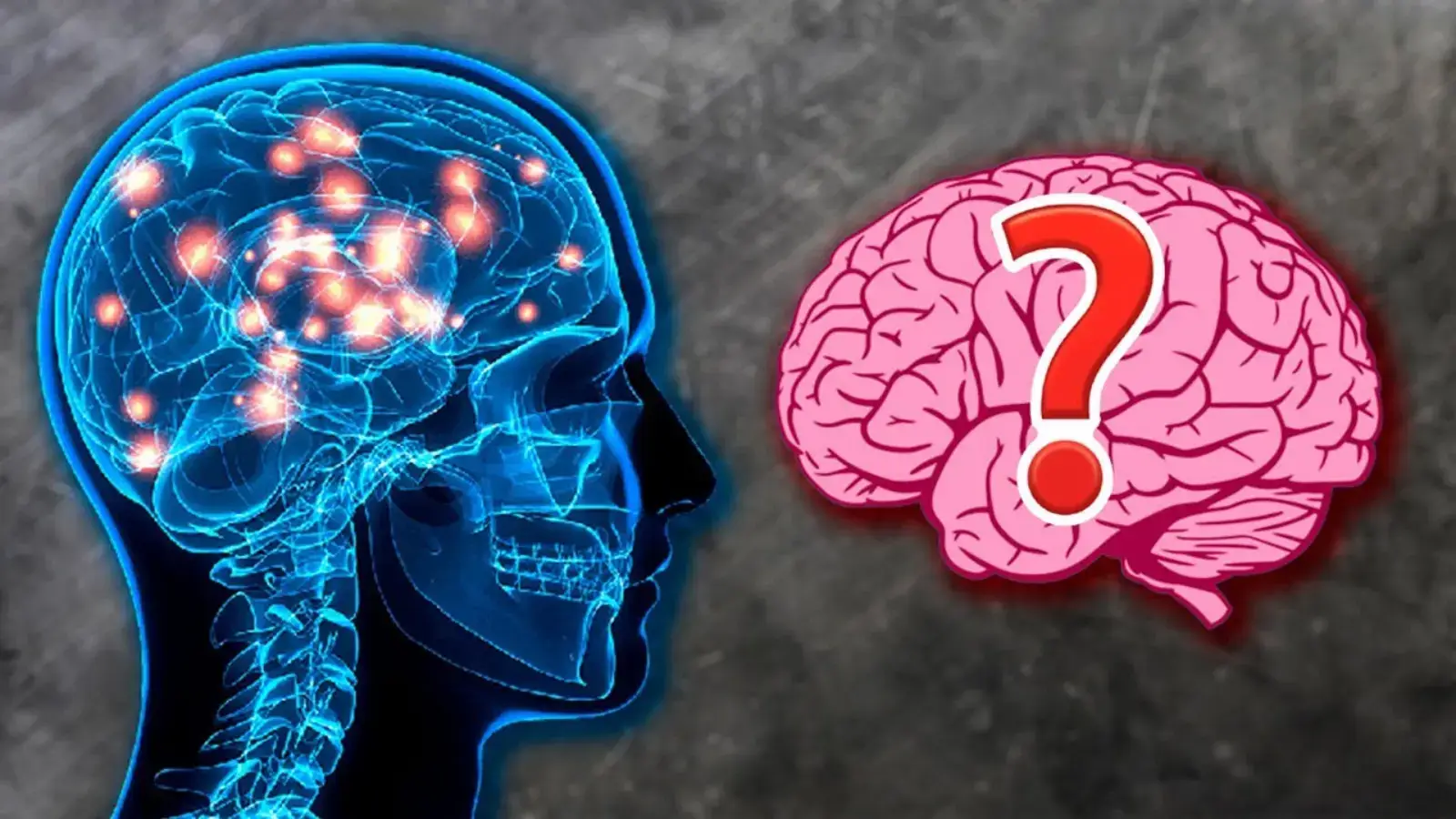
A large-scale study conducted by scientists from the University of Cambridge significantly updated the understanding of the development of the human mind. Analysis of thousands of brain scans showed that the brain does not function the same way throughout life - it is almost "rebuilt" at certain age stages. These changes directly affect a person's thinking, emotions, and decision-making ability.
Scientists note that white matter, responsible for the rapid transmission of signals, develops actively over the years. However, the forehead, which is responsible for making decisions, controlling emotions, and rationally assessing the situation, matures the slowest. Therefore, the ability to make intelligent and balanced decisions is formed in a person gradually, over the years.
Foundation period: 0 to 10 years old
Experts compare the period from birth to the age of ten to a real "building block" for the brain. The first ten years of life create a solid foundation for future knowledge, feelings, and actions. This is an era of unlimited possibilities, when the brain, like a sculptor, creates new neural connections and resolutely "cuts off" unnecessary ones. The most optimal network for efficiency is built, and by about nine years of age, the basic image of personality and intellect has already been formed.
Revolution and Formation: From 9 to 32
According to the research results, the most pronounced structural changes in the brain occur between the ages of 9 and 32. From this time, hormonal and internal restructuring intensifies, and the process of preparation for adult life begins. White matter develops rapidly, but the frontal lobe, which controls impulses, matures last. This explains adolescence's risk predisposition, sharp emotions, and quick decisions.
This stage is like a double-edged sword. It is during this period that anxiety and depression may appear for the first time, but at the same time the brain reaches the peak of its effectiveness. According to scientists, this formation process lasted much longer than expected and was completed only by the age of 32.
Peak and sustainability: 32 to 66 years old
The period from 32 to 66 years is considered the most stable stage of brain development. Neural networks are well-tuned, intellect and personality are fully formed. In the following decades, relations will gradually begin to simplify. This can be related to natural aging, stress accumulated over the years, and the pace of life. However, this is not yet a sharp decline, but rather a long-term stable state preceding the next stage.
Wisdom and a new stage: after 66
After about 66 years, the brain enters a new, decisive period. It becomes more sensitive and sensitive, and neural connections can become sparse. This increases the risk of cognitive decline. Nevertheless, studies show amazing brain adaptability. It tries to compensate for lost functions, amplifies weak signals, and forms new connections in response to mental activity. Active learning, social interaction, and a healthy lifestyle are the most important "exercises" during this period.
Deep and quiet autumn: after age 83
After the age of 83, changes in brain architecture become more pronounced. However, modern science sees here a justification for hope. Neuroplasticity, although significantly weakened, does not disappear completely. The brain fights to the end, because change and development are characteristic of it throughout life.
In conclusion, life is not a gradual extinction, but a chain of qualitative leaps. By understanding these age stages of the brain, we learn to approach adolescents with patience, mature people with respect, and consciously maintain brain health in old age. The brain changes - therefore, a person does not stop developing.
At what age do you think the peak of human intellect is observed: at 30 or at 60 years of experience?



Comments 0
…