


What does creatine give to the body: does it power the brain during sleepless nights?
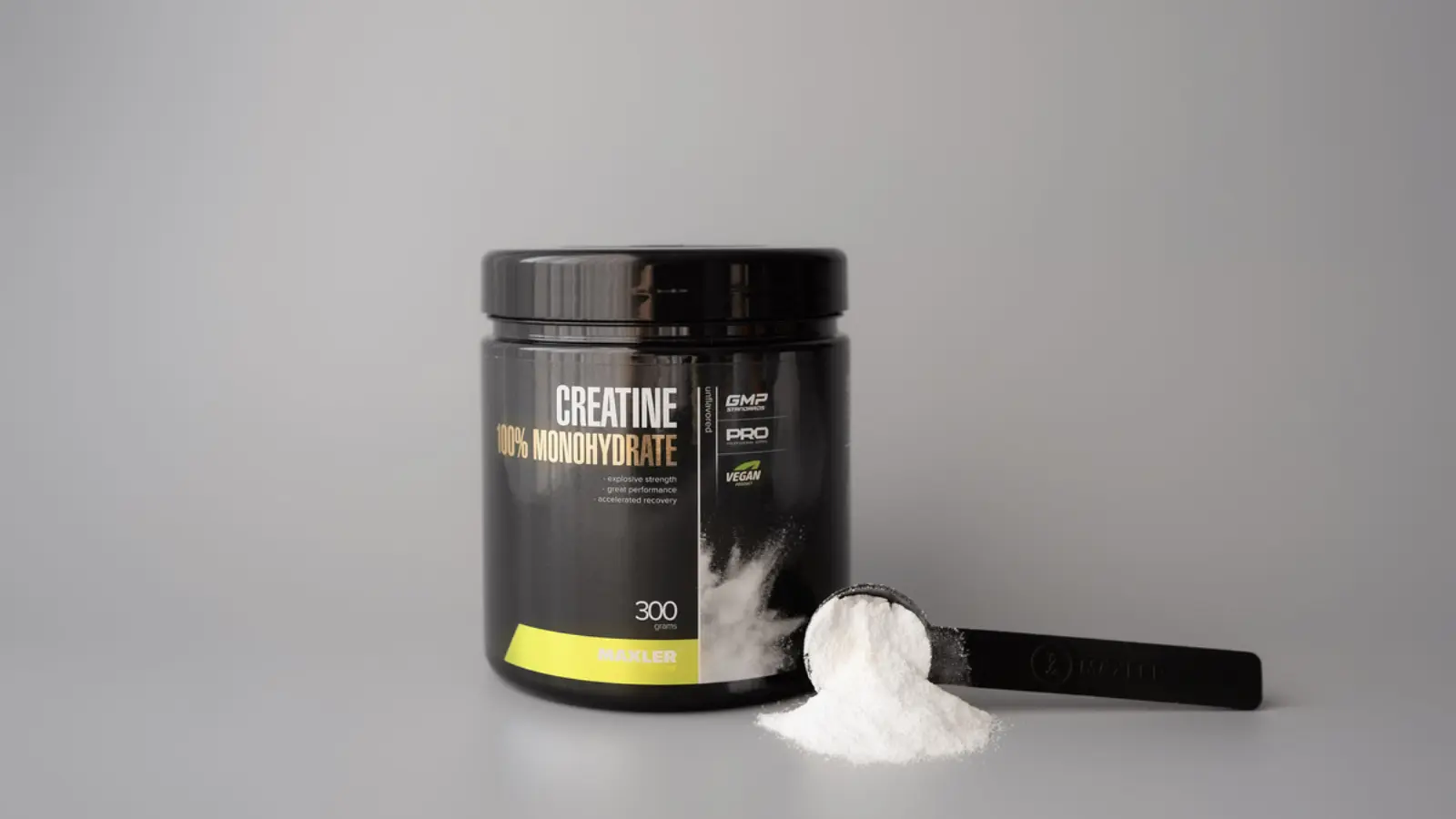
Creatinine is often associated with the gym: strength, sprinting, "pump," post-training recovery. But in the world of biohaking, he began to appear in another role - in the scenario of "temporarily holding the brain when sleep is lacking." That is, in some cases, creatine is becoming one of the first "nootropics" worth trying for beginners rather than a regular sports supplement.
The thing is, in a randomized, two-way cross-section study published in 2024, scientists checked whether creatine softened the impact on the brain of acute insomnia. The experiment cannot be called the "most pleasant day in life": healthy young participants were deprived of approximately 21 hours of sleep. After that, they gave not a course, but once, one attempt - high doses of creatine or placebo.
Previously, there was a strong belief that creatinine accumulates in the brain very slowly, for weeks. But in this case, the participants were given a "shock dose": 0.35 grams per 1 kg of body weight. In practice, for most adults, this is approximately 25-30 grams. Then the participants underwent cognitive tests, vigilance checks, and also an assessment of the energy state of the brain using MR spectroscopy.
The result turned out to be unexpected: against the background of insomnia, creatine significantly improved information processing speed, operational memory, and overall cognitive effectiveness compared to placebo. That is, in the state where "when sleep is lost, the brain slows down," creatinine appears to have partially "encouraged."
Why is this possible?
The fact that the brain is an energy-intensive organ is sufficient to explain the mechanism. The brain accounts for a significant portion of the body's energy expenditure. And insomnia is stress: the demand for neurons increases, "fuel" is consumed faster, ATP (the main currency of energy) and phosphocreatin reserves are freed up more often.
This is where creatine's strength lies: it helps increase phosphocreatin reserves. Phosphokreatin works like a fast "power bank" - it participates in the rapid conversion of ADP to ATP. As a result, the process of "recharging energy" to neurons under stress can be somewhat facilitated.
Another interesting point is mentioned in the study: creatinine can limit a decrease in pH in the brain. When the environment begins to "acidify" in fatigue and stress, the probability of neuron activity slowing down increases. There is an idea that creatine can maintain balance by creating conditions for cells to work in a slightly longer "normal mode."
It was noted that the maximum effect manifested 3-4 hours after intake and persisted for several hours. This is also logical: it is precisely during this time period that the brain's "lowest drop" occurs due to insomnia.
Here's an important line: creatinine is not a license to live without sleep
Turning the creatinine to the idea "I shouldn't sleep anymore" is the most incorrect conclusion. Sleep is still the main pillar of recovery. Creatinine can be considered as a short-term support option for forced insomnia. For example, if you slept poorly on a train, plane, or hotel, there's a responsible meeting, exam, presentation ahead - in such situations, there might be some "brain support."
But in practice, this is also the biggest problem: drinking 25-30 grams of creatine monohydrate at once is not "peacefully absorbed" by the gastrointestinal tract in everyone. Someone may experience heaviness, diarrhea, and bloating. Therefore, for some people, it would be more logical to take 5-10 grams 3-4 days before the "X-day."
Another important point: who needs caution?
Creatinine is generally considered a well-studied supplement, but not everyone's body is the same. Those with kidney problems, those who regularly take medication, those under cardiovascular or blood pressure monitoring, as well as pregnant or breastfeeding women should not switch to the "shock dose" without consulting a doctor. And of course, this text does not replace a medical recommendation - it is necessary to correctly assess the risk before "experimenting" on oneself.
Conclusion
Many think creatinine is just for the audience. But new research shows that it also has interesting possibilities in terms of "brain energy": in conditions of acute insomnia, it can temporarily improve certain cognitive indicators. The most correct approach is this: sleep - first, creatinine - a possible "Plan B" in an emergency situation.



Comments 0
…