


Causes and Risks of Flatfoot in Children
Quick readAI-generatedShow
- Flat feet, or pes planus, is a common condition in children where the foot arch is underdeveloped or collapses over time.
- Key causes include genetic predisposition, improper footwear, weak muscle development, and obesity.
- If left unaddressed, it can lead to pain, fatigue, and spinal issues, making early detection and preventive measures like proper shoes and exercises important.
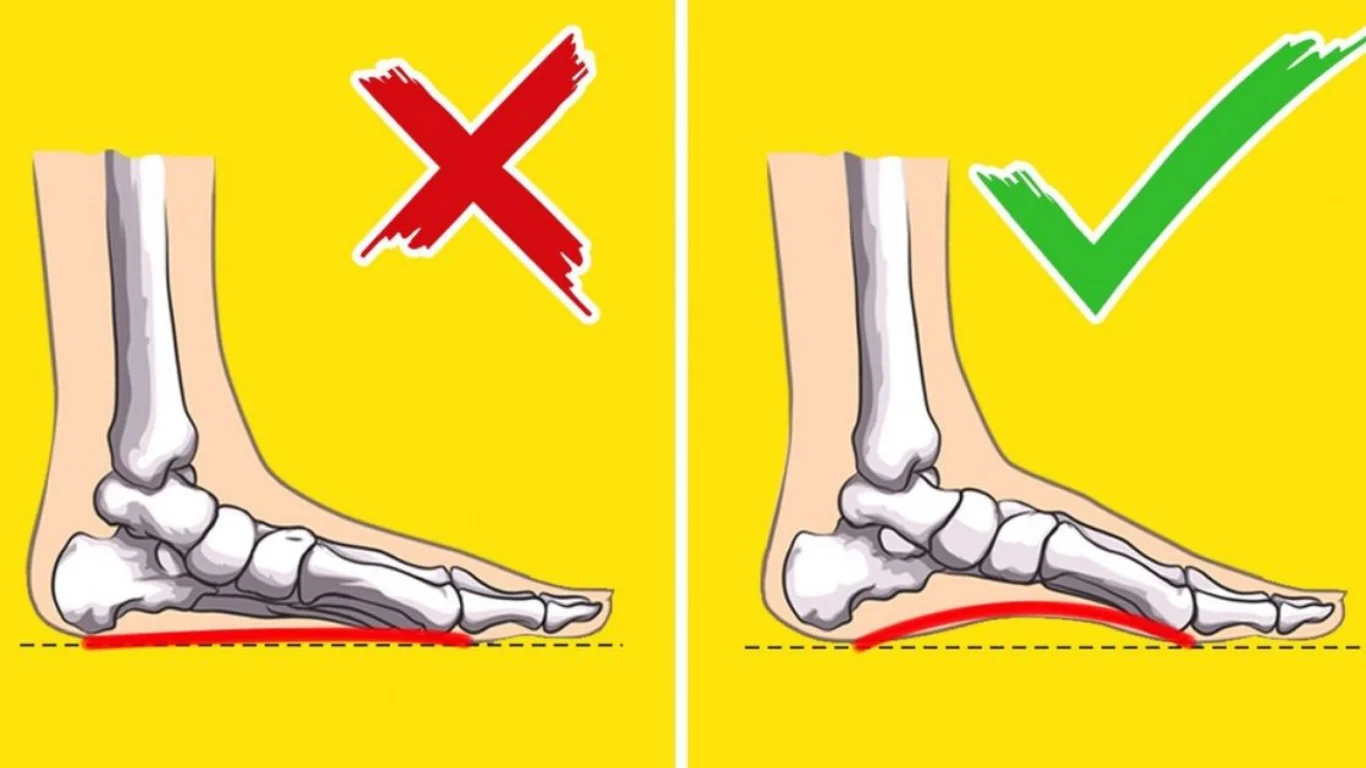
Flat feet (medically termed "pes planus") is considered one of the most common musculoskeletal problems in children. In this condition, the inner arch of the foot does not form sufficiently or diminishes over time. As a result, the entire sole of the foot makes contact with the ground, and the walking mechanics change.
Experts note that several key factors contribute to the development of flat feet in children. Primarily, hereditary predisposition plays an important role. If a parent or close relative has flat feet, the child has a higher probability of developing this condition.
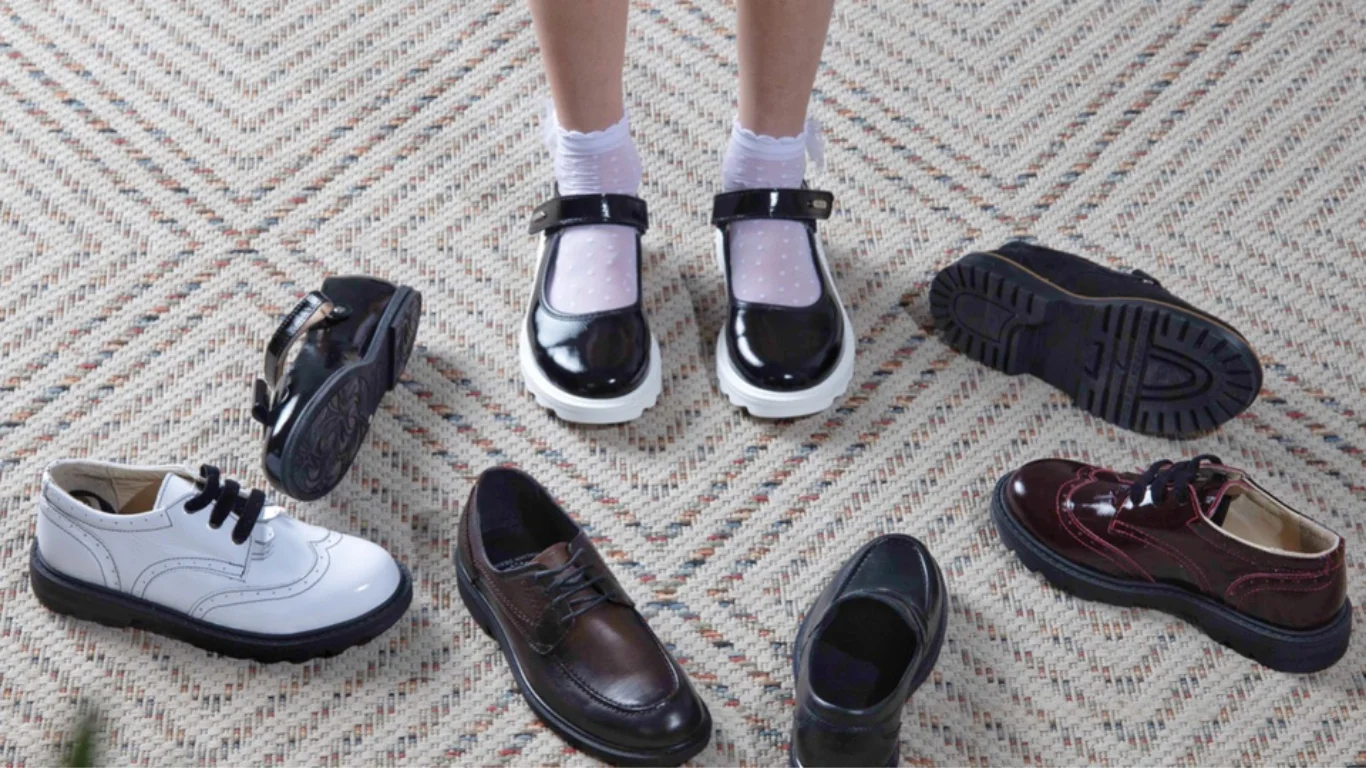
A second major cause is the selection of improper footwear. Shoes without firm soles, that do not properly support the foot, or that are too soft can negatively impact a child's foot muscles and joints. This impedes the proper formation of the foot arch.
Furthermore, weak development of muscles and ligaments is also one of the factors leading to flat feet. In children with low physical activity who spend most of their time sitting, the foot muscles do not strengthen adequately.
Excess weight is also considered a significant risk factor. Increased body weight raises the pressure exerted on the soles of the feet and gradually causes the arch to collapse.
Experts also draw attention to another aspect – improper walking habits during childhood, such as walking incorrectly on hard, flat surfaces for extended periods, can exacerbate this problem.
In the early stages of flat feet, there may be no pain, but over time, there is a risk of fatigue, foot pain, quick tiredness, and even issues with the spine.
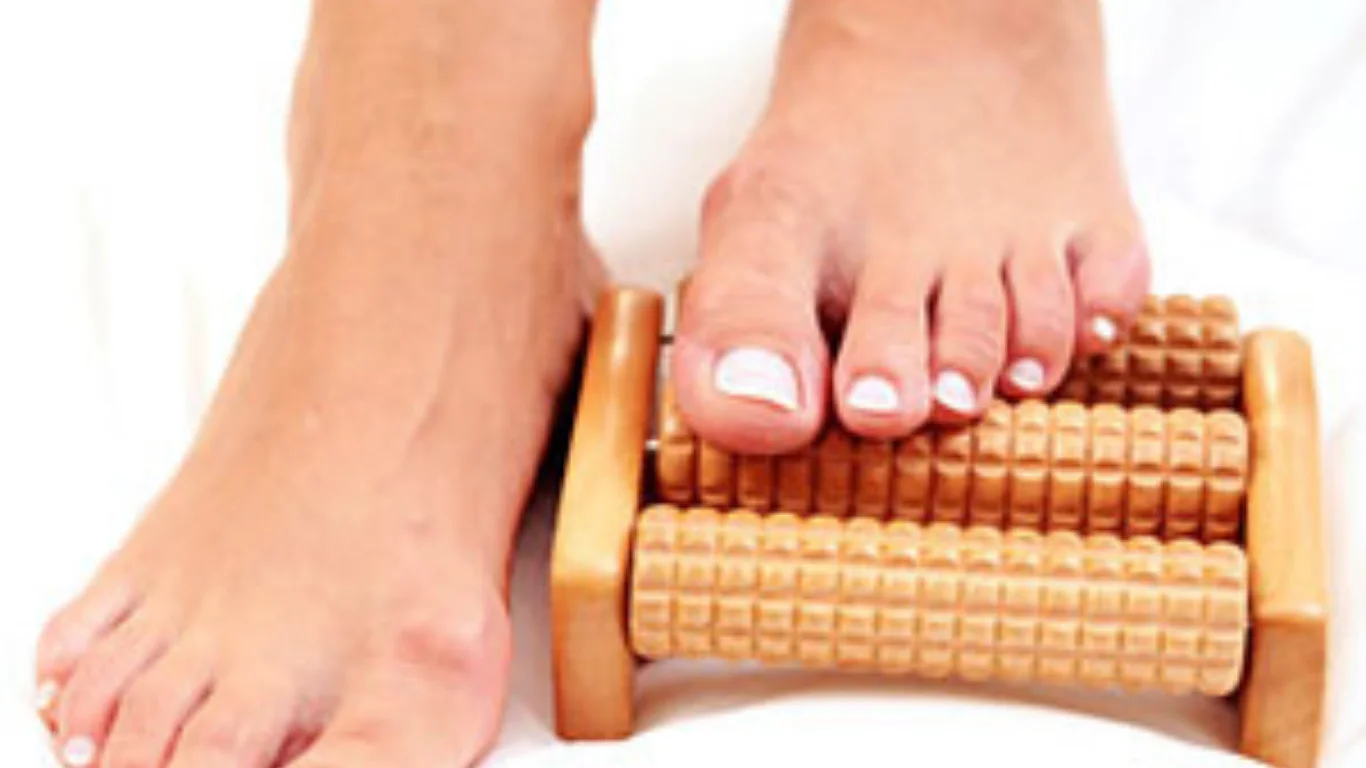
Therefore, experts recommend monitoring children's foot health from an early age, choosing proper footwear, and engaging in physical exercises and specific preventive exercises. Early detection helps prevent serious complications in the future.


Comments 0
…