






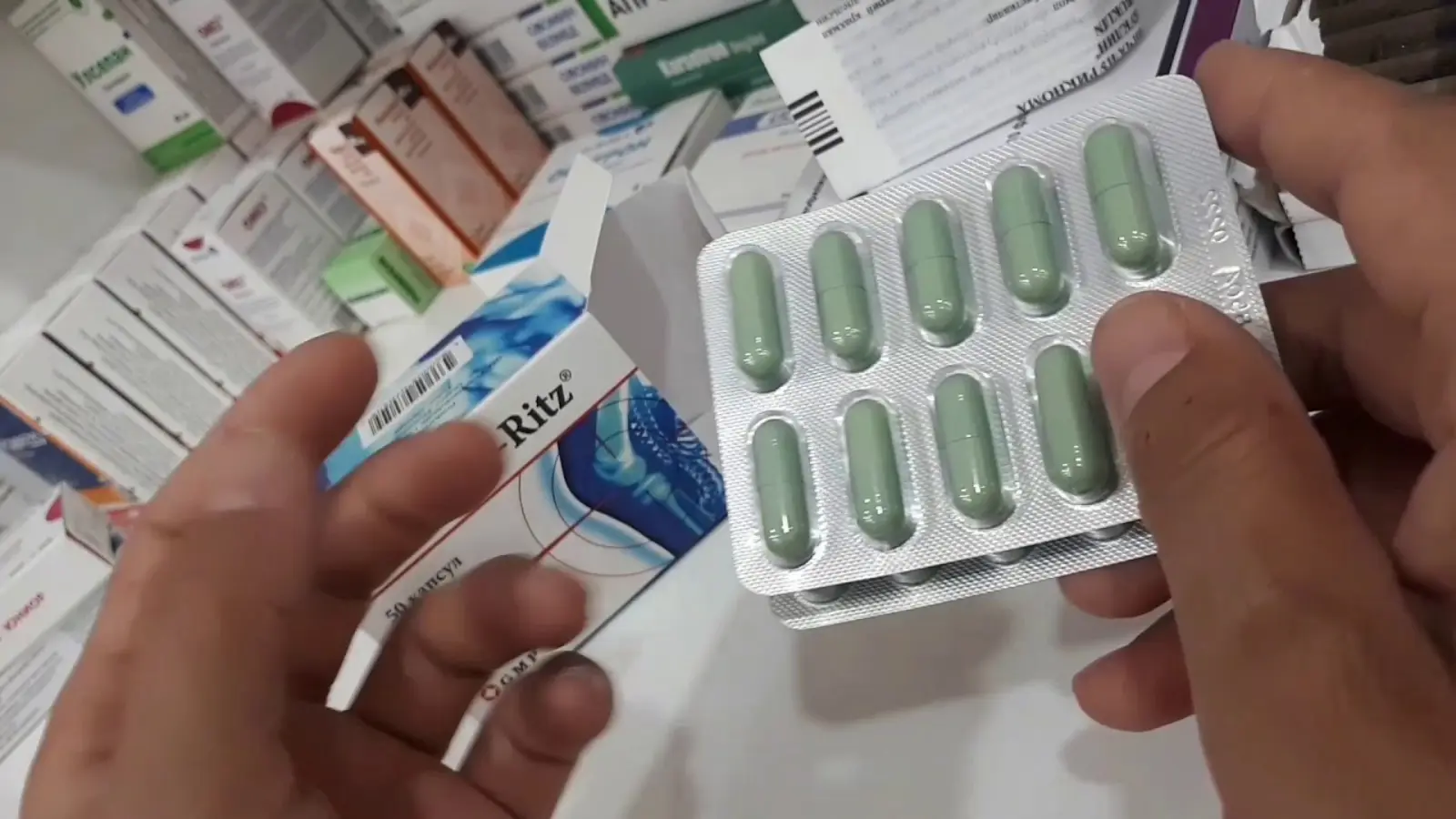
Starting January 15, antibiotics and hormonal medicines in Uzbekistan will be sold only with an electronic prescription. The Ministry of Health has launched the first stage of the mandatory e-prescription dispensing system.
The new rules cover three categories of medicines: antibiotics, synthetic antibacterial agents, and systemic hormones. E-prescriptions are issued via the DMED system — doctors have already entered more than 5 million digital prescriptions.
The project was piloted in Tashkent from November 1. By the end of December, it was reported that electronic medical records had been created for 37.6 million citizens.
According to Uzinfocom, digitalization is aimed at solving two problems at once. The first is counterfeits and “grey” imports: it is said that up to 30% of medicines previously sold without labeling and without prescriptions were fake. An electronic “trace” enables both pharmacies and regulators to curb the flow of suspicious products.
The second focus is reducing excessive and uncontrolled prescribing. The system now allows up to five medicine names on a single prescription; more is possible only after a medical board decision.
The e-prescription is linked to the citizen’s PINFL. The pharmacist at the pharmacy sees only the information necessary to dispense the exact required medicine.
A reimbursement program is also operating in Tashkent: patients with chronic diseases can receive 28 types of medicines free of charge via an e-prescription. For cases requiring long-term treatment, a doctor can prescribe a medicine for 60 or 90 days at once, reducing the number of clinic visits.
Paper prescriptions are allowed only in cases of power or internet outages. However, private clinics and medical centers that have not yet integrated their IT systems with the “Electronic Healthcare” platform must complete this by March 1, 2024.
A nationwide full transition to e-prescriptions is planned to be completed by the end of 2026 — in parallel with the launch of the mandatory health insurance system. Psychotropic substances will continue to be issued on special forms until 2027.
Read “Zamin” on Telegram!