


The Biggest World Cup in History: A New Era in Football
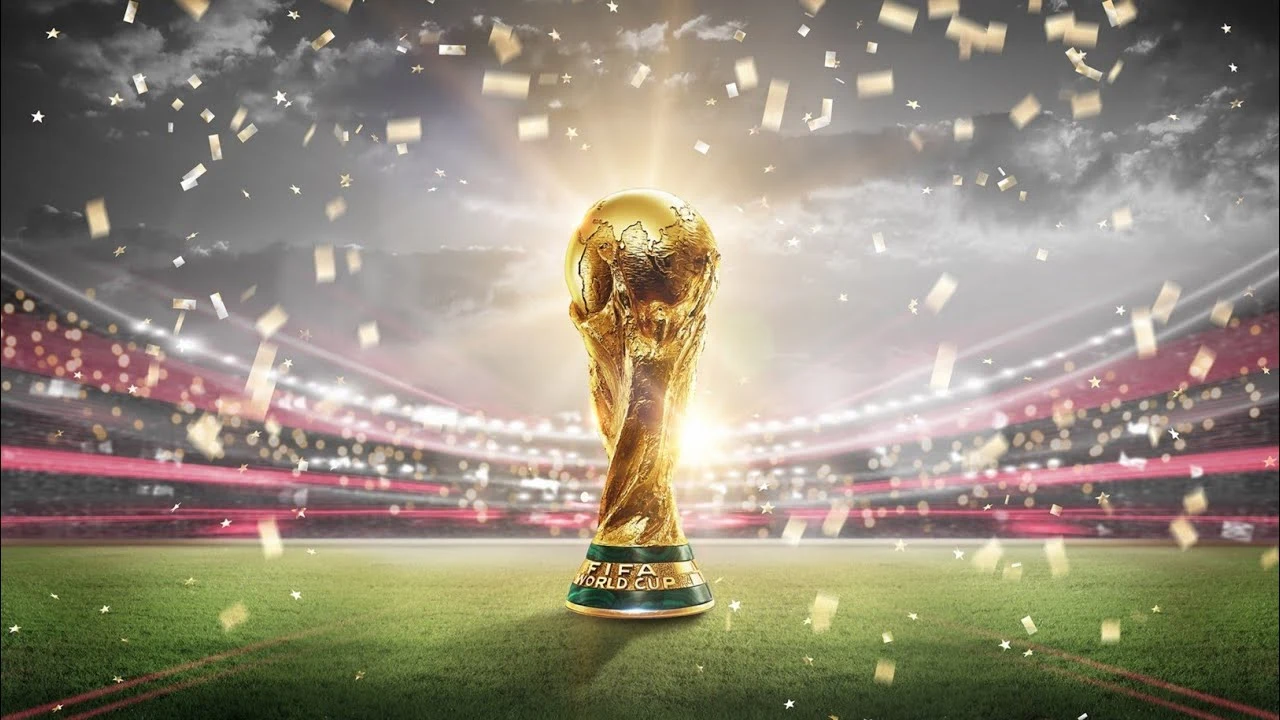
The 2026 World Cup, long-awaited by football fans, is just around the corner. This year's tournament is expected to open a new chapter in sports history, not only due to its scale but also the modern technologies and digital opportunities created for fans. Hosted by three North American giants—the USA, Canada, and Mexico—this tournament will fundamentally change how we experience and watch football.
Expanded format: More matches, more excitement
This championship stands out with a record number of participants. For the first time, the world's 48 strongest national teams will compete for the main trophy. While 32 teams participated previously, the scale of the competition has now expanded significantly.
Number of matches: A total of 104 matches will be played (compared to 64 previously).
Group stage: Teams will be divided into 12 groups of 4 teams each.
Qualification: The top two teams from each group and the 8 best third-placed teams will advance to the knockout stage.
This expansion allows FIFA to globalize football and involve more teams from different continents.
Historic arena and "Global Opening"
The opening match of the tournament will take place at the legendary Estadio Azteca in Mexico. Thus, this stadium will become the first in the world to host three separate World Cups (1970, 1986, and 2026). Additionally, separate opening ceremonies featuring music and art stars are planned in each of the three host countries.
Technology and innovation: The future of football
The 2026 championship will be a celebration of high technology. Artificial intelligence and AR (augmented reality) will become an integral part of the game:
Semi-automated offside: Using special cameras and AI, every movement of the players is analyzed in 3D, and controversial situations are determined in seconds.
FIFA+ and AR capabilities: Fans in the stadium can point their smartphones at the pitch to see real-time data on player speed, distance covered, and pass accuracy.
Referee's view: New features will be launched in broadcasts to show controversial situations from the referee's perspective.
"Debut Patch" and young stars
Another interesting innovation of the tournament is the “Debut Patch” special badge. This mark will appear on the kits of players making their World Cup debut. Stars like Erling Haaland and Lamine Yamal are mentioned as the faces of this initiative. These badges will later be linked to digital collections and sports card projects.
Sustainability and convenience
FIFA is also paying serious attention to ecology and human rights. To reduce long-distance flights, the match schedule is organized on a regional basis. This ensures that teams and fans do not face unnecessary travel and reduces carbon emissions.
In your opinion, how will the participation of 48 teams affect the quality of the tournament: will the matches be more interesting, or will the competition weaken?



Comments 0
…