


Photon trap: new ultra-black coating helps find exoplanets
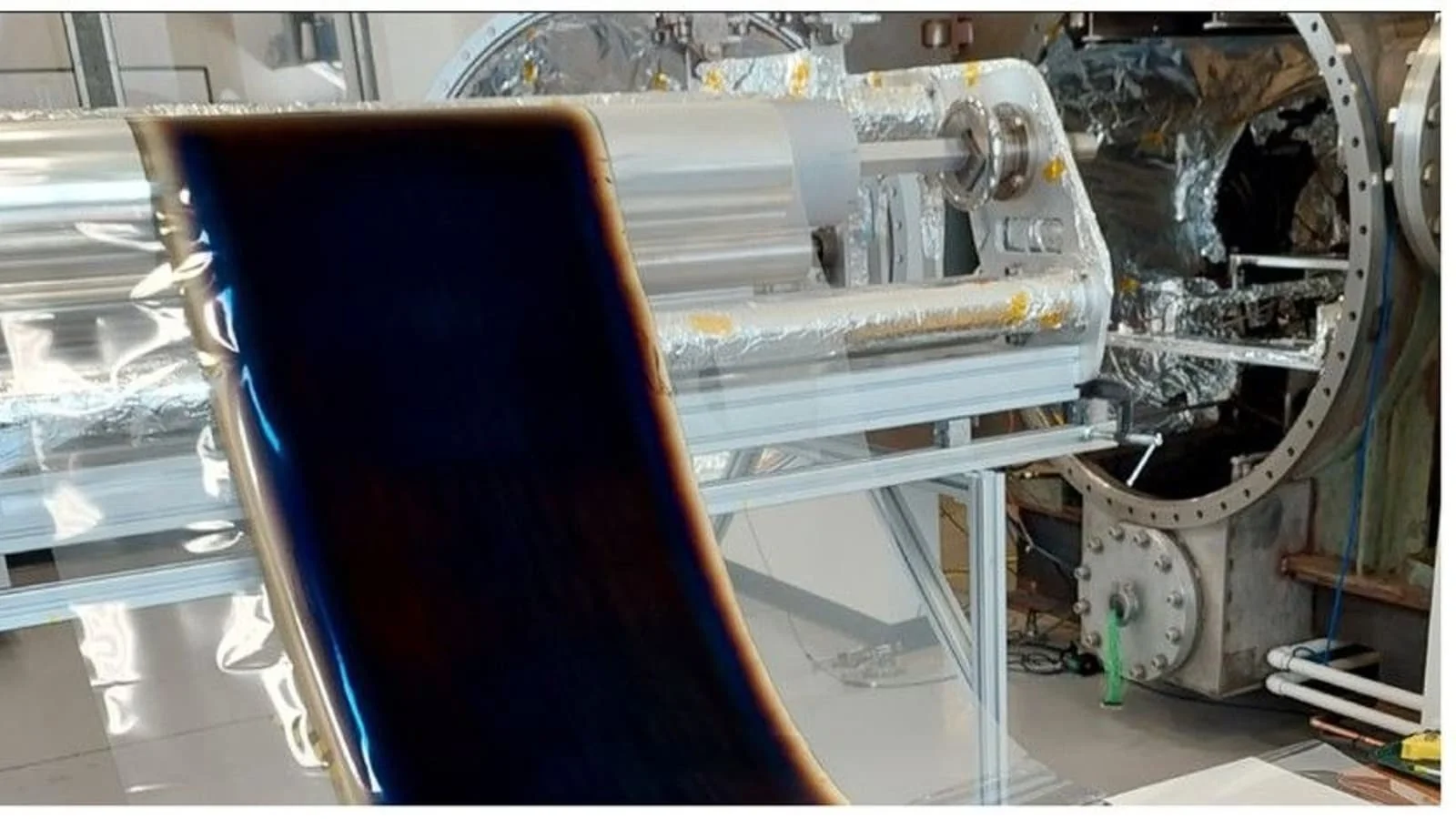
Searching for habitable planets outside the solar system is an extremely complex task. Because starlight is billions of times brighter than the faint light reflected from its planet, astronomers compare it to trying to see a gnat flying next to a powerful searchlight. NASA is developing the Starshade project to solve this problem. It is a giant flower-shaped space screen, half the size of a football field, designed to block starlight in front of a telescope. This is reported by Ixbt.com reports .
The edges of the screen need to be extremely sharp (about 300 nanometers), but sunlight scatters at these edges, creating "light dust" that interferes with the telescope. Previous carbon nanotube coatings were too thick, "dulling" the screen edges and increasing light scattering. David Sheikh, founder of ZeCoat, proposed a completely new approach.
The new technology involves a multi-layered thin coating made of metal and glass. It is 100 times thinner than previous samples and traps photons in nanogaps between its layers. Based on the Fabry-Pérot resonator principle, this method absorbs light completely instead of reflecting it. Tests conducted at the NASA JPL laboratory confirmed that the coating reduces reflected light by 20 times.
This innovation will be crucial for the future Habitable Worlds Observatory project. The technology can be used not only for space screens but also for covering satellite constellations like Starlink or eliminating lens flares in modern smartphone cameras. This discovery will allow astronomers to see the atmospheres and oceans of planets around distant stars more clearly.



Comments 0
…