









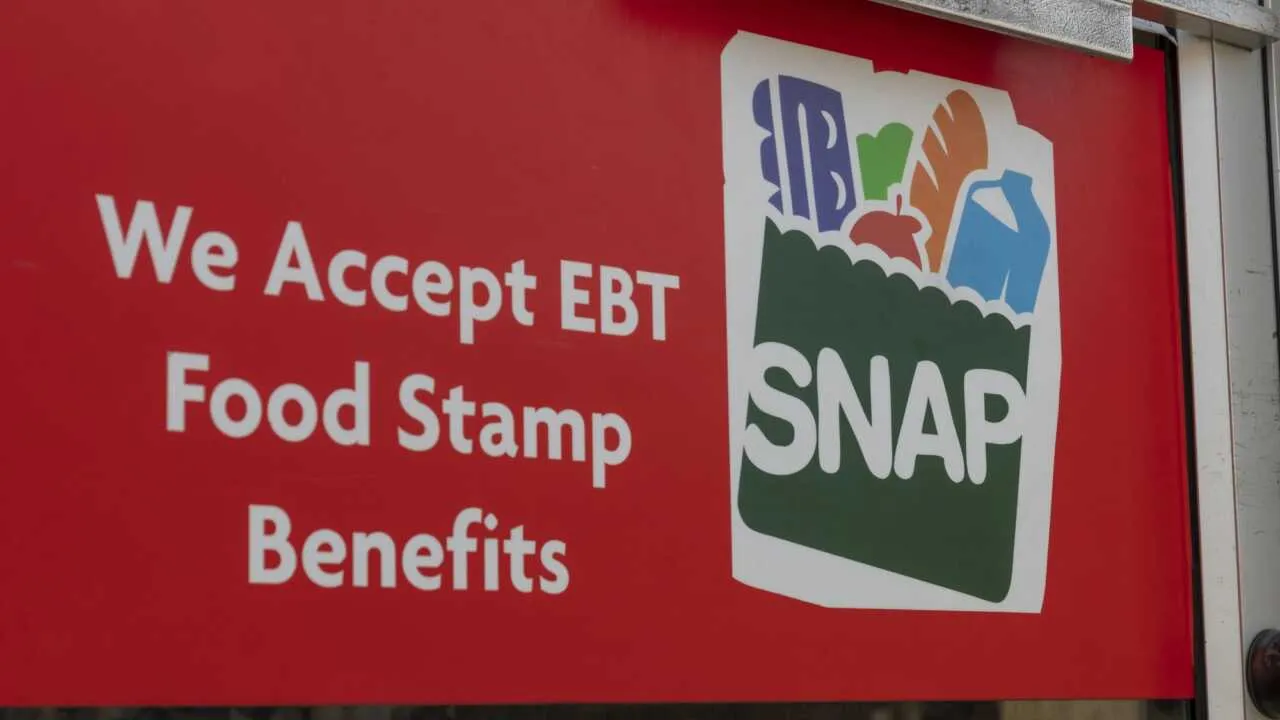
Researchers from the National Bureau of Economic Research (NBER) studied the behavior of social assistance recipients in the United States. They compared the effects of financial aid with aid in the form of food stamps.
Data from Supplemental Security Income (SSI) and SNAP programs in South Carolina between 1998 and 2019 was analyzed. The main conclusion of the study is that cash assistance increases the consumption of “temptation goods,” including alcohol and drugs.
Food stamps, however, do not cause such an effect. Within a week after receiving cash assistance, emergency medical visits related to alcohol or drug use increase by 20–30%.
Such cases are not observed when food stamps are provided. A similar pattern is also observed in regular consumer behavior.
Following cash assistance, there is a 20–40% increase in the number of prescriptions for new illnesses, but this does not occur after receiving SNAP benefits. This indicates that households use cash and food stamps differently, even if their value is identical.
Researchers attribute this phenomenon to the “mental accounting” effect. Food stamps are perceived as funds specifically intended for food, whereas cash is viewed as a universal resource that can also be used for impulsive expenditures.
In an extended model, researchers suggest that governments may benefit from implementing a mixed assistance system. The proportion of food stamps in social assistance should increase as recipients' self-control diminishes.
Even when high taxes are applied to harmful products, providing "outcome-based aid" rather than direct financial assistance proves to be more effective. This study provides significant evidence for discussions on the structure of social assistance, showing that despite the economic arguments in favor of cash assistance, aid types like food stamps can lead to more stable social outcomes, limit harmful consumption, and reduce healthcare costs.
Read “Zamin” on Telegram!