


New Law in Russia Imposes Strict Restrictions on Foreign Critics
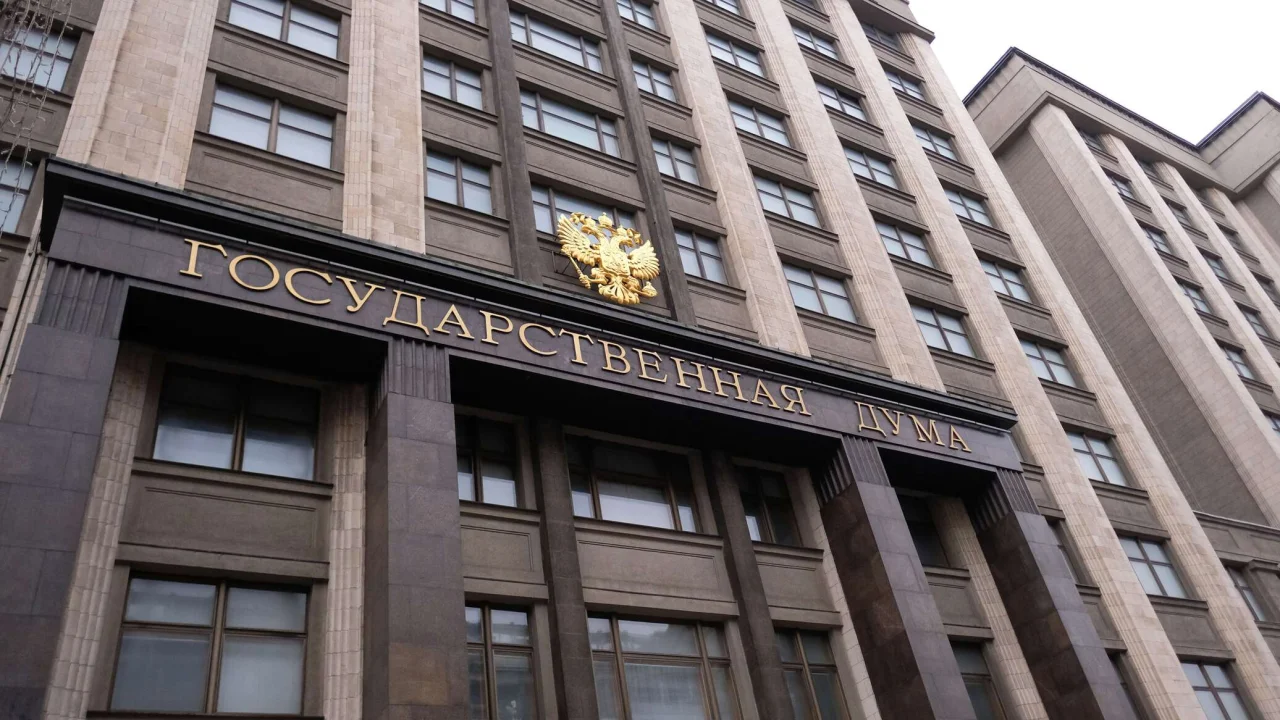
The State Duma of the Russian Federation’s commission investigating foreign interference has prepared a set of legislative proposals that would impose strict restrictions on citizens residing abroad yet facing criminal or administrative charges in Russia. This was announced on Thursday, December 11, via the commission's Telegram channel.
Which violations are targeted?
The proposed stringent measures would apply to individuals convicted of criminal offenses or charged with six specific categories under the Administrative Offenses Code. These mainly involve politically motivated violations, such as:
- Non-compliance with the Ministry of Justice’s directives to eliminate violations of the “foreign agents” law.
- Violations of regulations governing “foreign agent” activities.
- Calls for violating the territorial integrity of the Russian Federation (calls for separatism).
- Calls for imposing sanctions against Russia.
- Accusations of “discrediting” the Russian Armed Forces.
- Participation in the activities of “undesirable” organizations.
Main list of restrictions
The proposed restrictions by lawmakers would significantly complicate the lives of Russians abroad and restrict their property rights within Russia:
- Business restrictions: Prohibition from registering as an individual entrepreneur or self-employed person.
- Property and transport: Suspension of property rights (e.g., restrictions on property sales) and prohibition on registering vehicles.
- Driving rights: Suspension of driver’s licenses.
- Financial and public services: Restriction on entering into loan agreements and using online state/municipal services.
- Banking and powers of attorney: Remote banking services in Russia would be banned, funds would be frozen, and transactions via powers of attorney would be disallowed.
According to the commission chairman Vasily Piskaryov, certain consular services will also be denied to these individuals.
Decision-making and public registry
The restrictions are envisioned to be imposed by a decision of the Russian Federation’s Prosecutor General or their deputy. Notably, the Prosecutor General’s Office plans to maintain and publish an online public registry titled “List of Persons Subject to Temporary Restriction Measures.”
Legal expert’s opinion: 'Accelerated Statelessness'
Anastasia Burakova, a legal expert and head of the “Ark” project that aids Russian emigrants, commented to DW that the law would subject those charged with administrative offenses to nearly the same restrictions as those convicted of criminal offenses.
She highlighted what she views as the most alarming aspect — “the denial of certain consular services.” This situation, she noted, “puts individuals who express anti-war or anti-Kremlin sentiments in a vulnerable position.”
Burakova’s conclusion: If the legislation is passed, “this will effectively exacerbate the phenomenon of accelerated statelessness.” Consequently, a number of Russians may emerge as emigrants lacking valid identification documents.



Comments 0
…