


South Korea abolishes tax benefits for cosmetic surgery
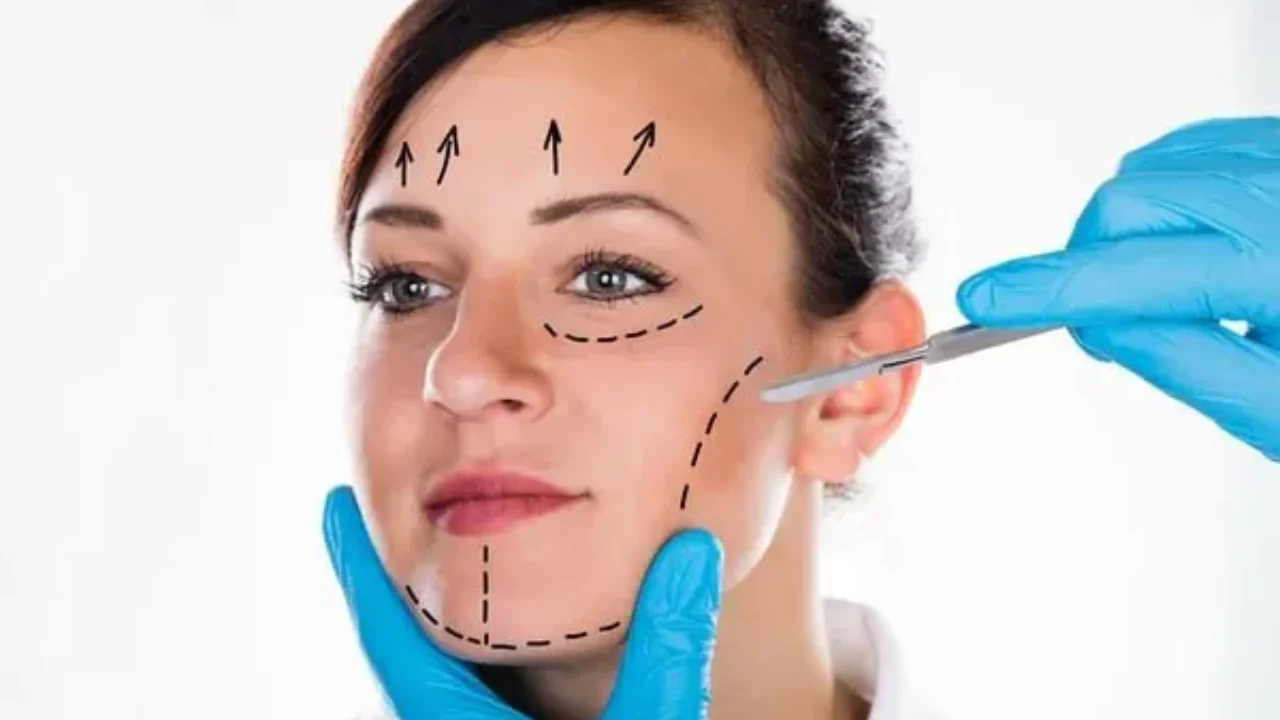
South Korea has decided to abolish tax benefits provided to foreign patients in the field of cosmetic surgery. This decision may lead to a review of Seoul's position in the global arena, which is relevant in the field of medical tourism. According to the South China Morning Post, this decision was made to make cosmetic procedures more attractive to foreign customers.
The South Korean government introduced a 10% VAT refund system for foreign patients visiting in 2016. This privilege was mainly focused on cosmetic surgical procedures such as facial massage, breast augmentation, and skin rejuvenation. From time to time, these tax incentives contributed to the growth of medical tourism in the country.
However, in December 2024, the South Korean government announced the termination of these tax benefits by December 31. One of the reasons behind this decision is to strengthen competition in the domestic market and increase competition in medical tourism to countries such as Singapore and Thailand.
The South Korean Association of Plastic Surgeons is criticizing this decision. They emphasize that this decision could increase value for customers, reduce price transparency, and at the same time reduce the flow of foreign patients. According to the association's officials, the abolition of this tax benefit could cause economic damage by improving the country's highly developed programs for medical tourism.
In 2024, more than 1.17 million medical tourists visited South Korea, who spent $840 million. This sector is very important for the overall economy of the country. Through visits, the country tries to maintain its competitiveness in the field of medical and beauty services.
However, such actions may create jobs for Singapore and Thailand, or create opportunities for other countries offering medical tourism services of international importance. China, Southeast Asia, and other countries are also ready to look for new opportunities in this area.


Comments 0
…