


British writers published a "textless" book against artificial intelligence
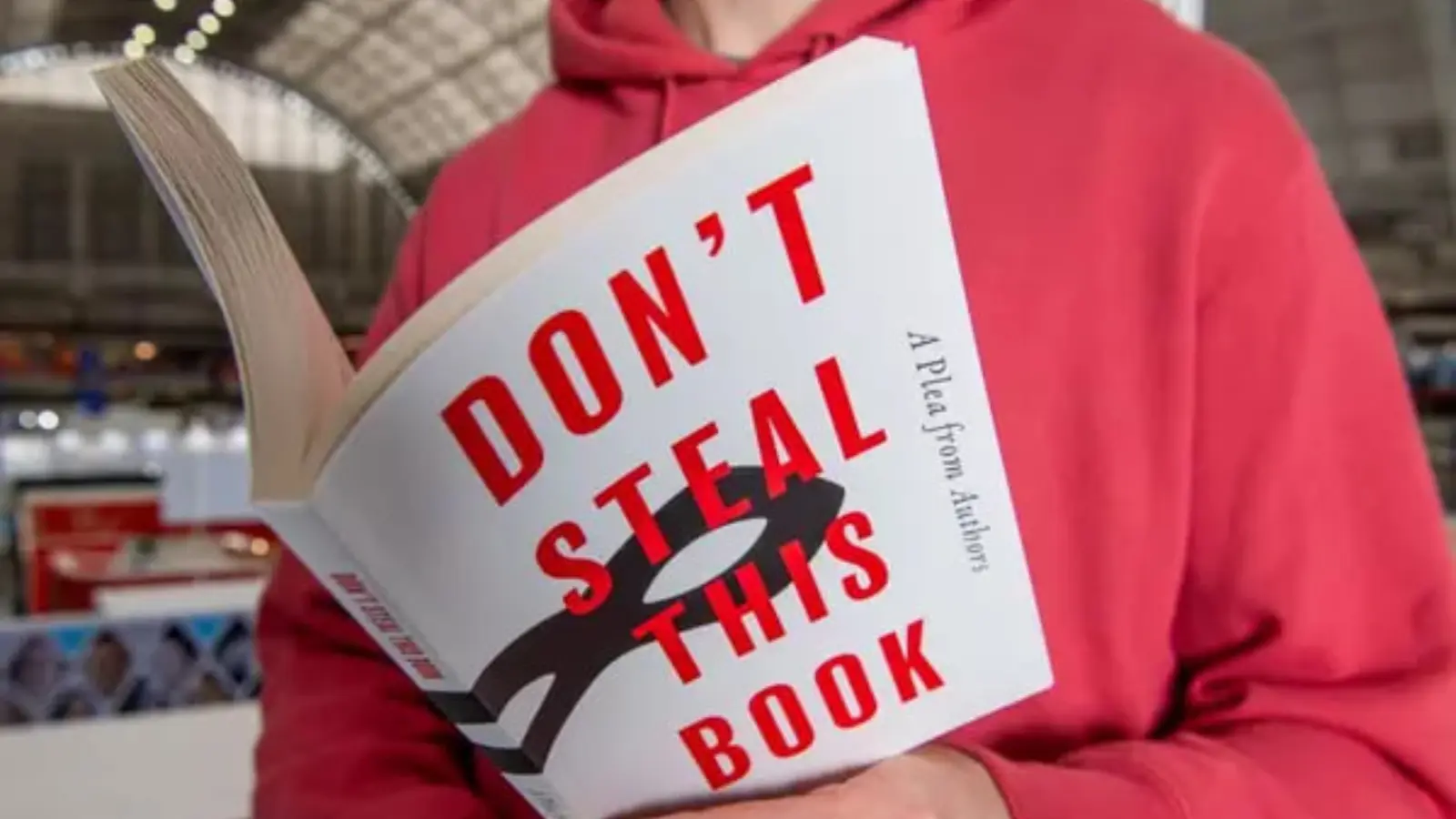
Photo: The Guardian
In Great Britain, creators chose a very sharp, at first glance even "silent," but effective path of protest against AI companies. According to The Guardian, more than 10,000 writers published a textless book in protest of the unauthorized use of their works. That is, there is a book - but there is neither a story nor a novel inside. There is only one "content": the list of authors.
The book is called "Don't steal this book." Among those who participated in the project are well-known TV presenter and writer Richard Osman, the author of the novel "Another of the Boleyn Dynasty" Philip Gregory, as well as Nobel Prize winner in Literature Kazuo Ishiguro.
It is said that copies of the book will be distributed to visitors to the London Book Fair, which opened on March 10. The project's initiator, composer and copyright advocate Ed Newton-Rex, is openly stating through this action that "the generative AI industry is built on unauthorized and unpaid work."
According to Newton-Rex, this process is not a "crime without a victim": a generative AI learns from people's works, and then competes with these creators, depriving them of a source of income. Therefore, he called on the British government to protect local creators and abandon the idea of legalizing the unauthorized use of works by AI companies.
This is not the first "silence campaign." Earlier, in February 2025, more than a thousand musicians released a silent album in protest of the British government's plans to facilitate the unauthorized use of copyrighted works by AI developers. Album "Is This What We Want?" ("Is this what we want?") and its tracks consisted of recordings of concert halls, silence in studios, or slight noise.
The conclusion is one: in Britain, creators are starting the fight against AI "both in court and in the field" - while a textless book and silent album are becoming symbols of this struggle. This signal is simple: a work is not content, a work is labor. And creativity should not remain a "free raw material."


Comments 0
…