


Tensions around Hormuz cast a shadow over negotiations
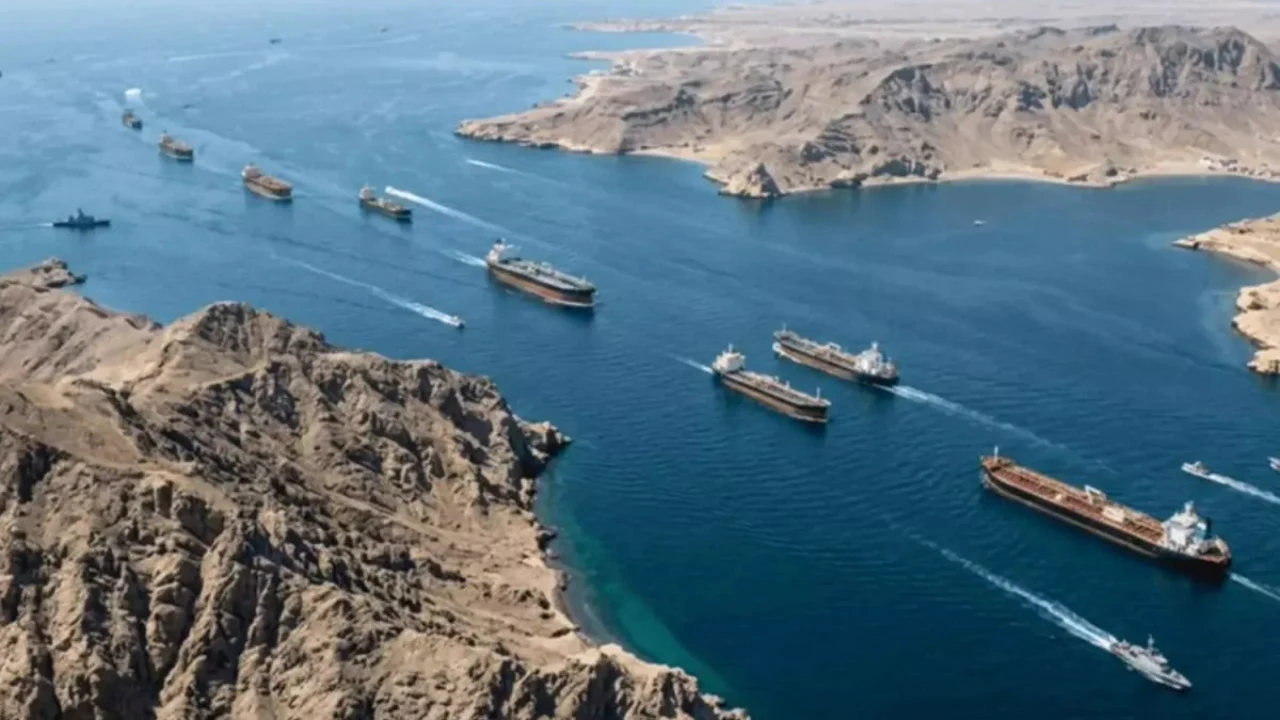
There has been no significant progress in the negotiations to end the tensions between the US and Iran, which have been ongoing for over two months. According to Reuters, while diplomatic efforts between the parties continue, there has been no clear response to proposals aimed at de-escalating the conflict.
Meanwhile, the movement of a Qatari liquefied natural gas tanker toward the Strait of Hormuz has added a more serious tone to the situation in the region. Because this area is of strategic importance to global energy, any military or political tension there heightens concerns in international markets.
US Secretary of State Marco Rubio stated that Washington expects a response from Tehran to new proposals within the coming hours. However, despite a day having passed, no official response has been issued by Iran. The proposal primarily envisions formally halting the conflict, followed by negotiations on the most contentious issues, such as the nuclear program.
On Saturday, Marco Rubio met with Qatari Prime Minister Mohammed bin Abdulrahman Al-Thani in Miami. According to the US Department of State, the discussion covered ensuring security and stability in the Middle East, de-escalating dangerous processes in the region, and finding diplomatic solutions.
On the same day, it was reported that a Qatari liquefied natural gas tanker was heading toward Pakistan and had entered the Strait of Hormuz. Sources indicate that this movement was approved by Iran to support the mediation efforts of Qatar and Pakistan. This shows that diplomatic channels in the region have not yet been fully closed.
However, the situation around the Strait of Hormuz has intensified again in recent days. Iranian media reported that local clashes occurred between Iranian forces and US ships. The US military, for its part, announced that it had stopped two ships linked to Iran. Thus, while there is talk of negotiations on one side, the risk of military action remains on the other.
Since the beginning of the conflict, Iran has been restricting the movement of non-Iranian ships through Hormuz. This is a crucial point, as before the war, nearly one-fifth of the world's oil was transported through this very waterway. Any restriction in the Strait of Hormuz has an immediate impact on oil and gas markets.
As Donald Trump prepares to visit China next week, pressure is mounting on Washington to resolve the conflict quickly. Instability in energy markets, tanker movements, and military risks in the region are creating new concerns for the global economy.
At the same time, the US has further expanded its sanctions against Iran. New restrictions were imposed on a number of companies and individuals that have supported Iran's military drone programs. This decision signifies that Washington is continuing to exert pressure on Tehran in parallel with diplomatic negotiations.
In the current situation, the main question is: can the US and Iran reach an agreement through diplomatic means, or will the tension around Hormuz deepen further? Every move in the region can lead to major consequences. Therefore, one wrong step here could be a dire signal not only for the two countries but for the entire global energy market.



Comments 0
…