








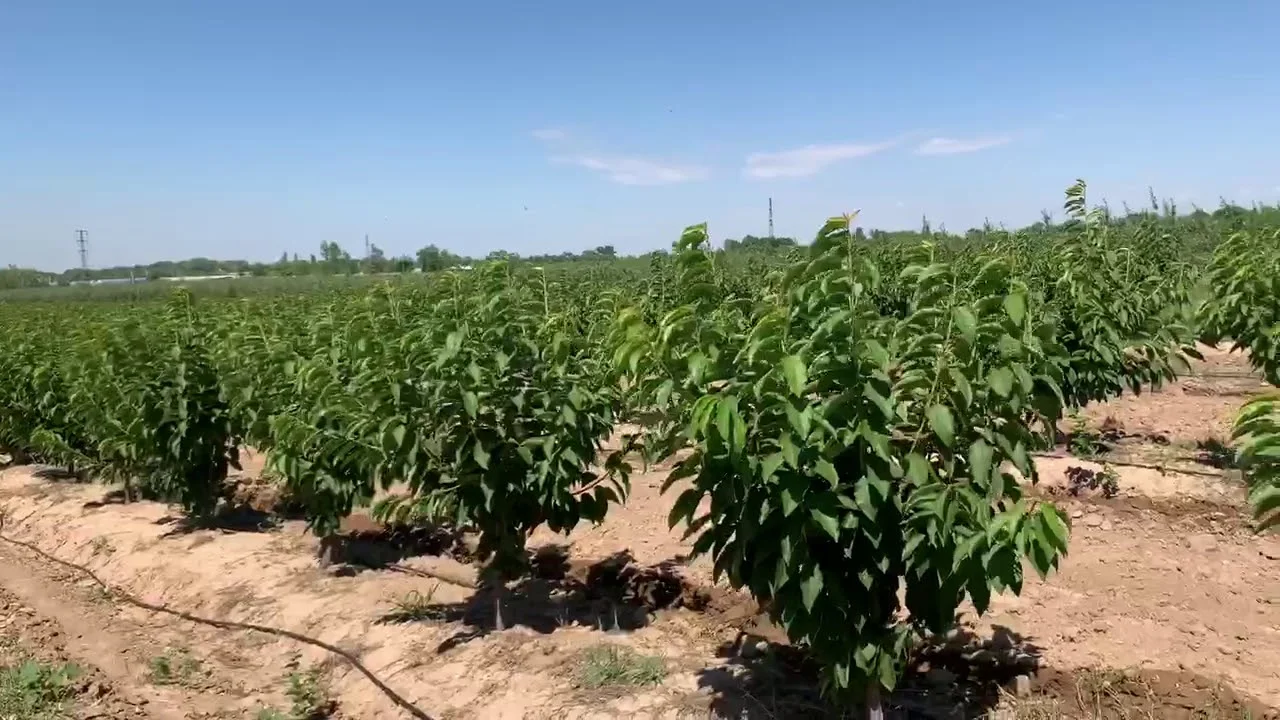
Trees play a crucial role in improving air quality in urban areas. They not only reduce air pollution through natural mechanisms by capturing dust particles and absorbing harmful gases, but also create the most favorable environment for ecosystems. Nowadays, this process is being carried out more effectively through digital technologies.
Uzbekistan’s Green Heritage project links users’ daily activities with the natural process of tree planting. Such projects are enabling residents in cities with high concentrations of dust particles to raise ecological awareness and improve urban air quality.
Trees are particularly effective at capturing PM2.5 and PM10 dust particles, which is especially important in areas with high automobile traffic. Additionally, trees absorb ozone and nitrogen dioxide gases, positively impacting air quality. Reducing the concentration of pollutants in the air is of significant importance in protecting public health.
An increase in green spaces is contributing significantly to reducing pollution worldwide. For instance, in the United Kingdom and Germany, a 10% increase in green spaces has been shown to reduce pollution levels by 4-8%. In London, it was found that nitrogen dioxide concentrations near woodlands were 15% lower.
In Uzbekistan, this system is being implemented through Click company's Green Heritage project. The project allows users to grow virtual trees through their daily digital transactions, which are then planted in real life. In this way, the population is involved in urban ecological policies in a new and innovative way.
As cities continue to grow, the importance of amplifying the positive impact on ecosystems through trees and technology increases. Digital solutions play a key role in shaping climate strategies by clearly showcasing each individual contribution.
Read “Zamin” on Telegram!