


How much gold can be extracted from an old laptop?
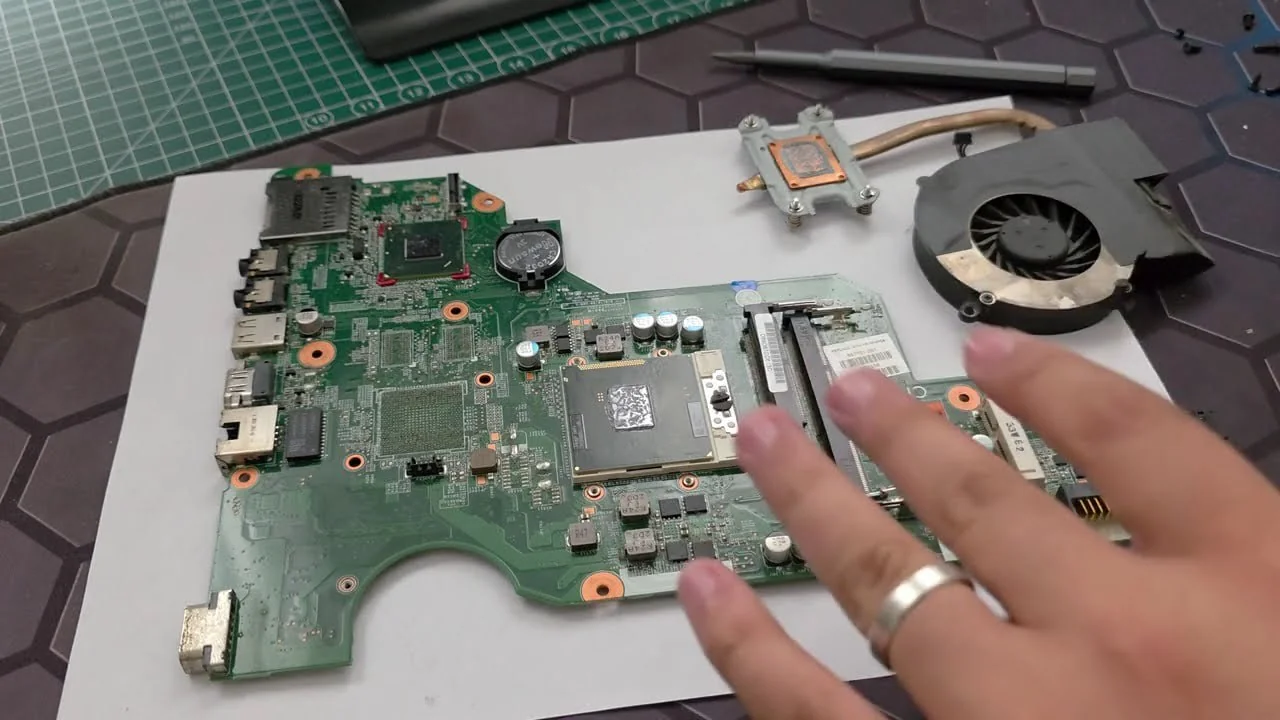
Old laptops and desktop computers are often described online as hidden treasure chests packed with gold. Videos and posts regularly suggest that outdated electronics can be dismantled for quick profit by extracting precious metals from their internal parts. The reality, however, is far less dramatic. Experts say gold is indeed present inside many devices, but only in extremely small quantities that make home recovery impractical in most cases.
According to commonly cited industry estimates, an old laptop contains roughly 0.1 grams of gold, while a desktop computer may hold around 0.2 grams. Even at elevated global gold prices, that translates into only a few dollars’ worth of metal in a single machine. In other words, the popular idea that one forgotten computer could yield a meaningful amount of wealth does not match the economics of real-world recovery.
Gold is used in electronics for good reason. It is an excellent conductor of electricity and resists corrosion far better than many other metals. Those qualities make it valuable for parts that must remain reliable over long periods, including connectors, contacts, printed circuit boards and certain microchips. Manufacturers do not use gold because devices are luxury items; they use it because even a tiny layer can help preserve stable performance and reduce failures over time.
That same advantage also explains why extracting gold is so difficult. Inside a computer, gold is not stored as a solid nugget or a visible chunk that can simply be removed with basic tools. It usually appears as a very thin coating or in microscopic amounts mixed into complex components. Recovering it requires careful dismantling, chemical processing and separation methods that are not only labor-intensive but also potentially hazardous if done outside controlled industrial conditions.
Specialists note that while gold extraction is theoretically possible, the effort rarely makes sense for individuals. To obtain just 1 gram of gold, a person may need to take apart dozens, and sometimes even hundreds, of old devices. That means large amounts of time, storage space and technical work for a return that may still fail to cover the costs of materials, equipment and safe disposal. What looks profitable in a short internet clip often leaves out the scale needed to make the process worthwhile.
Still, the fact that home extraction is uneconomical does not mean old electronics are worthless. On the contrary, electronic waste remains an important source of reusable materials. In addition to tiny amounts of precious metals, retired computers and laptops contain other recoverable resources, including rare and industrial metals that can be processed and used again. This is why e-waste recycling has become a significant sector in many countries.
At industrial scale, the numbers change. Specialized companies process thousands of tons of discarded electronics using dedicated machinery and regulated procedures. In that environment, recovering small amounts of gold and other materials from each device becomes commercially viable because the total volume is so large. Industrial recycling also helps reduce pressure on mining and lowers the environmental burden created by abandoned electronic waste.
The broader conclusion is straightforward: yes, old laptops and computers do contain gold, but not enough to make personal extraction a sensible project for most people. Turning outdated devices over to professional recycling programs is usually the smarter option. It is safer, more efficient and far better for the environment than trying to recover microscopic traces of precious metal at home.



Comments 0
…