


European Union mandates all new laptops to be charged only via USB-C
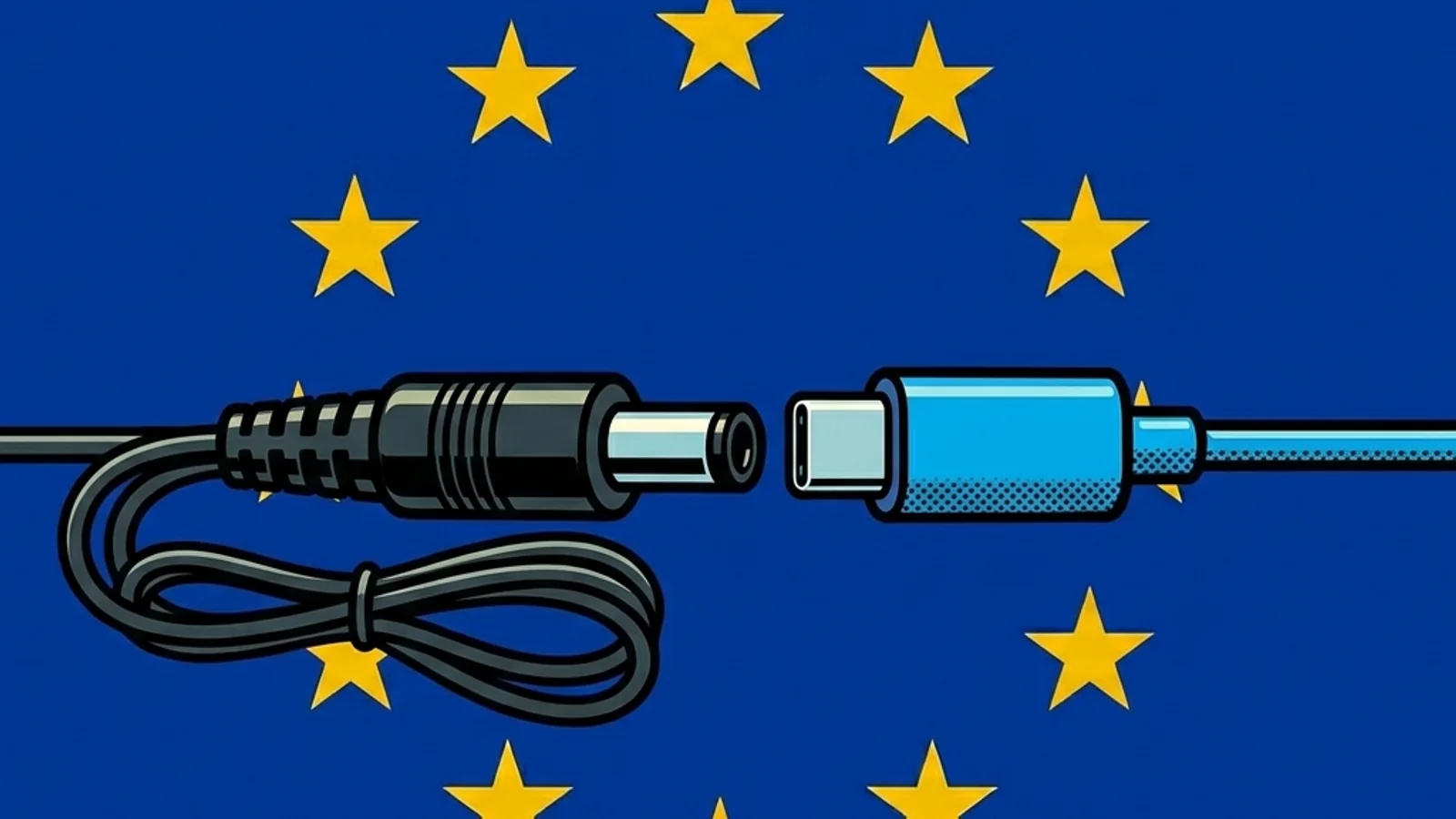
The European Union has officially expanded the scope of its directive regarding a universal charging port for laptops. As of April 28, 2026, the 16-month transition period has concluded, and all new laptops sold within the EU with a power output of up to 100 watts are now required to charge via a USB-C port. This was reported by Ixbt.com xabar.
This requirement was previously introduced for smartphones and tablets. Now, laptop manufacturers must not only equip devices with a USB-C port but also offer configurations to customers that do not include a power adapter in the box.
The law does not prohibit including a charger in the package, but it requires that consumers be given a choice.
The new rules do not apply to devices already on the market, nor to used or refurbished equipment. Furthermore, an exemption remains for high-performance models with a power output exceeding 100 watts, such as gaming laptops and workstations.
These devices may use their own proprietary connectors, but they must still retain the capability to be charged via USB-C.
According to European Commission estimates, this regulation will prevent the generation of approximately 11,000 tons of electronic waste annually. Additionally, consumers are expected to save hundreds of millions of euros by avoiding the purchase of unnecessary chargers.



Comments 0
…