


Earth passed through the Eta Aquariids meteor shower left by Comet Halley
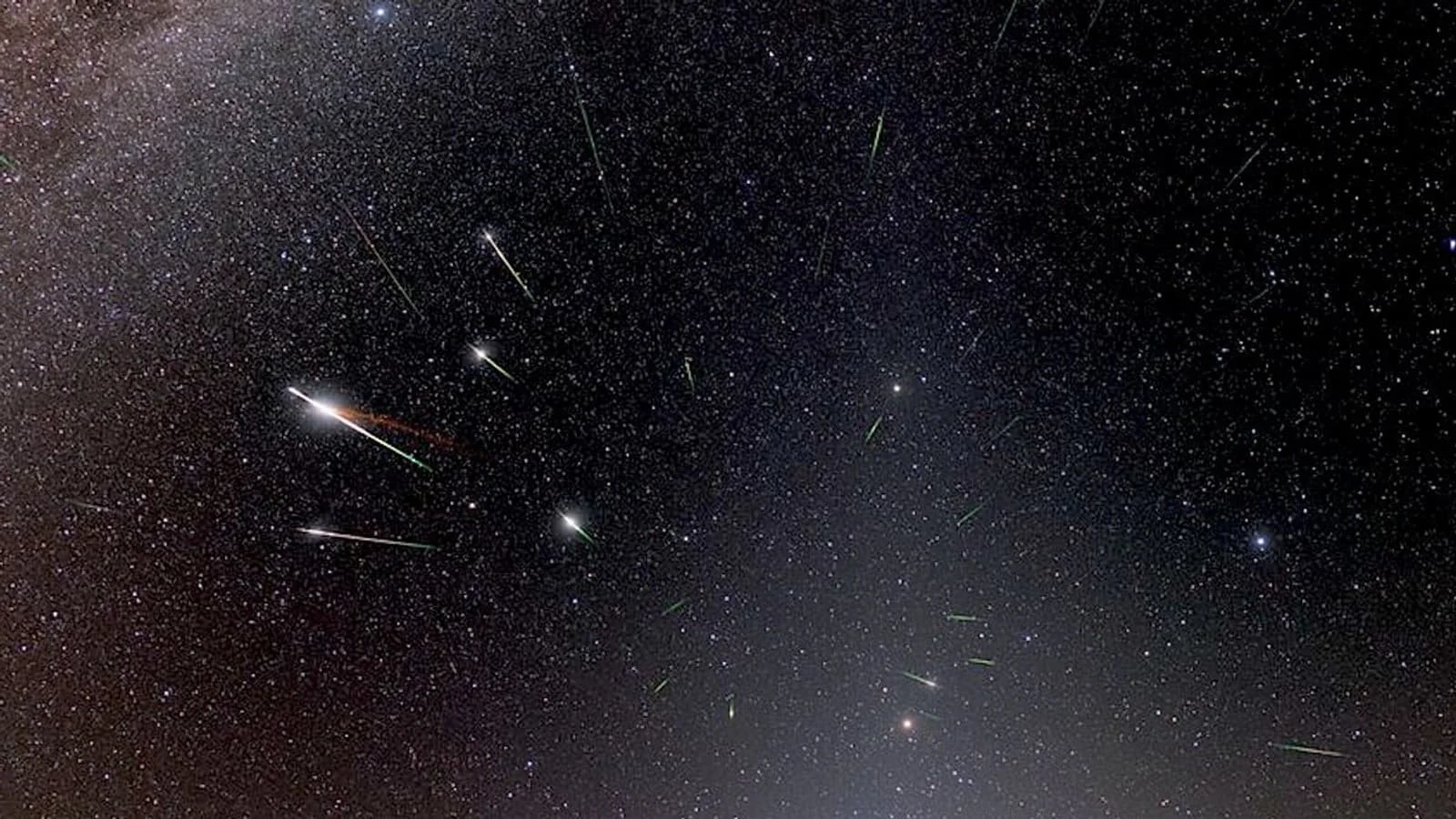
In early May, Earth's population observed the peak of one of the year's most popular meteor showers — the Eta Aquariids. This phenomenon occurs as our planet passes through a cloud of dust left behind by the famous Comet Halley (1P/Halley) as it moves along its orbit. This is reported by Ixbt.com .
The peak activity of the meteor shower occurred between May 4 and May 6. While up to 60 meteors per hour were visible in the Southern Hemisphere under favorable weather conditions, this figure reached 10 per hour in the Northern Hemisphere. Bright moonlight also hindered observations to some extent.
Although the main peak has passed, the meteor shower will continue until the end of May. Astronomers believe that the opportunity to observe individual meteors will remain until May 27–28, and observation conditions will improve as moonlight decreases.
The radiant of the meteor shower is located in the constellation Aquarius, from which the meteors appear to 'scatter' across the sky. Experts consider the early morning hours to be the most convenient for observation, as the radiant rises higher above the horizon at this time.
Astronomical events will continue in the summer: in July, the Southern Delta Aquariids and Alpha Capricornids will become active, and in August, the Northern Hemisphere's most famous meteor shower — the Perseids — will reach its peak.



Comments 0
…