


Turkmenistan made a historical step: introduced a 200 manat polymer banknote into circulation!
High denomination note: new manat and neutrality anniversary
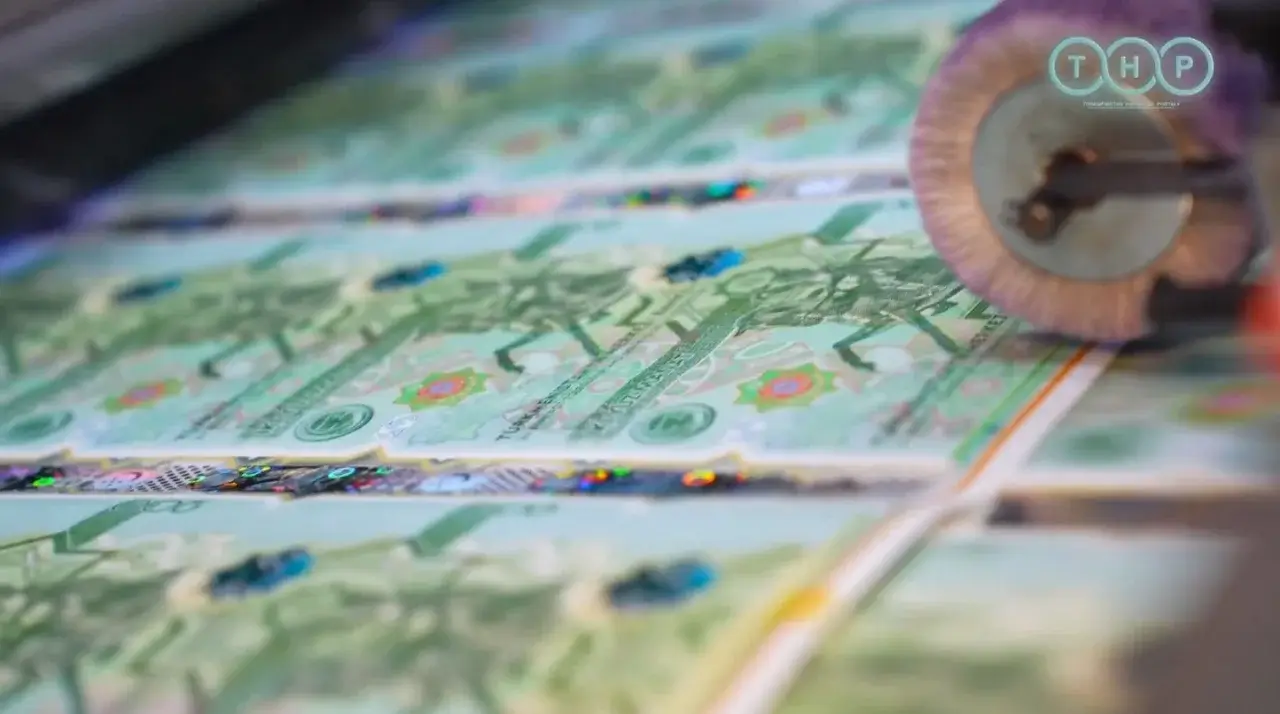
Starting from December 1, the Central Bank of Turkmenistan introduced the 200 manat banknote into circulation. The issuance of this new note is timed to coincide with the 30th anniversary of Turkmenistan obtaining the status of permanent neutrality. Most importantly, this currency sign and other modified notes are made from polymer (plastic) material.
The front side of the new 200 manat note features the Arkadag Monument, and the reverse side depicts the administrative building of the Khyakimlik (administration) of Arkadag city. At the same time, banknotes with denominations of 1, 5, and 10 manats were also redesigned on a polymer basis. Their general color and appearance have been preserved, but a special emblem dedicated to declaring 2025 the International Year of Peace and Trust has been added.
First in Central Asia: advantages of polymer money
Turkmenistan became the first country in Central Asia to introduce plastic money into circulation. As explained by the Central Bank, polymer banknotes are distinguished by a ** high degree of protection against counterfeiting** and high resistance to external influences—contamination, wear, and moisture. Polymer money lasts 2-3 times longer than paper, does not tear easily, and accumulates fewer bacteria. Furthermore, worn-out polymer notes can be recycled, which makes them less harmful to nature.
Black market and historical facts
At the same time, the official rate of the Turkmen manat, established for many years, is 3.5 manats for 1 dollar, although in the "black market" this value goes up to 19-20 manats. The Central Bank emphasized that the previous paper money remains a legal means of payment on the country's territory. It is worth noting that Australia was the first country in the world to introduce plastic money in 1988 and subsequently became the first country to completely abandon paper currency.



Comments 0
…