


Gold and silver fell sharply: a "shock" correction in the market...
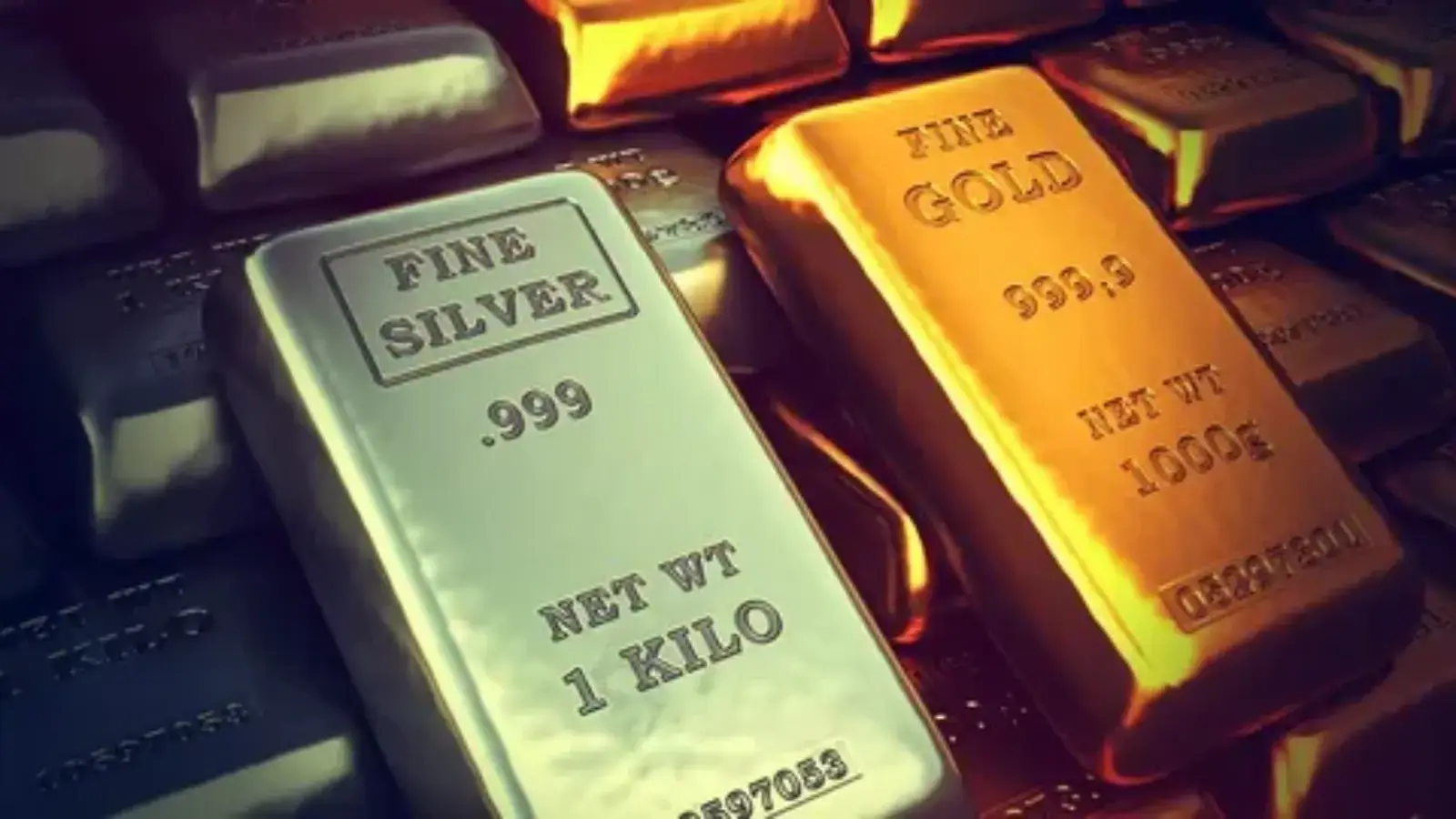
On February 2, an unexpected "shock" was observed in the precious metals market: gold plummeted from around $5,600 to $4,400-4,800 per troy ounce, approaching a historical maximum. This means a decrease of approximately 15-20 percent. In short, the gold, which yesterday served as a "protective wall," today has become somewhat "weakened."
With Kumush, the situation became even more tense. A drop from $120 to $75-80 per ounce means a loss of almost 30% in a short time. That is, the market sentiment changed dramatically during several trading sessions.
Analysts say that such a large amplitude is rare even for the precious metals market, known for its volatility. Here is not a "simple vibration," but a serious reaction.
Main factors leading to collapse
1) Public recording of profit after the record
During 2025, gold and silver became significantly more expensive due to geopolitical instability and high demand for "safe assets." After the price reaches record levels, a natural reflex works in large investors and savings: "let's write where the profit is." This wave of mass profit recording may have dragged the market downwards.
2) Expectations around the US Federal Reserve have changed
Another pressure on the market came from news and expectations surrounding the US Federal Reserve System. Investors also reacted to reports that Kevin Warsh could become the head of the Fed. There is a view that Warsh is generally a supporter of a stricter monetary policy.
What does this mean? If the probability of a rapid and large-scale reduction in interest rates decreases, then assets that do not generate interest - that is, gold and silver - will immediately become less attractive to the investor. For this reason, the market switches to a "position reduction" mode.
3) Dollar strengthening
Against the backdrop of interest and income expectations, the dollar strengthened. When the dollar appreciates, precious metals are usually under pressure: they seem more expensive to investors in other currencies, and demand may decrease. As a result, another "burden" falls on prices.
Market reaction and follow-up scenarios
Experts emphasize that this decline can often be seen as a "correction after a sharp increase." That is, the market is "cooling down" records, releasing air.
The next dynamic depends on three key points:
- real steps and signals of the FZT;
- Determine in which direction the policy of the Fed's management will deviate;
- Further movement of the US dollar.
If strict policy expectations are maintained, there is a possibility that pressure on the metal market will continue. If expectations soften - gold and silver might "come back to their senses." For now, the most accurate conclusion is this: the market is rapidly entering into emotions, which means there is a possibility of major fluctuations in the coming days.



Comments 0
…