


Laser Air Defense: The Biggest Leap in 2025
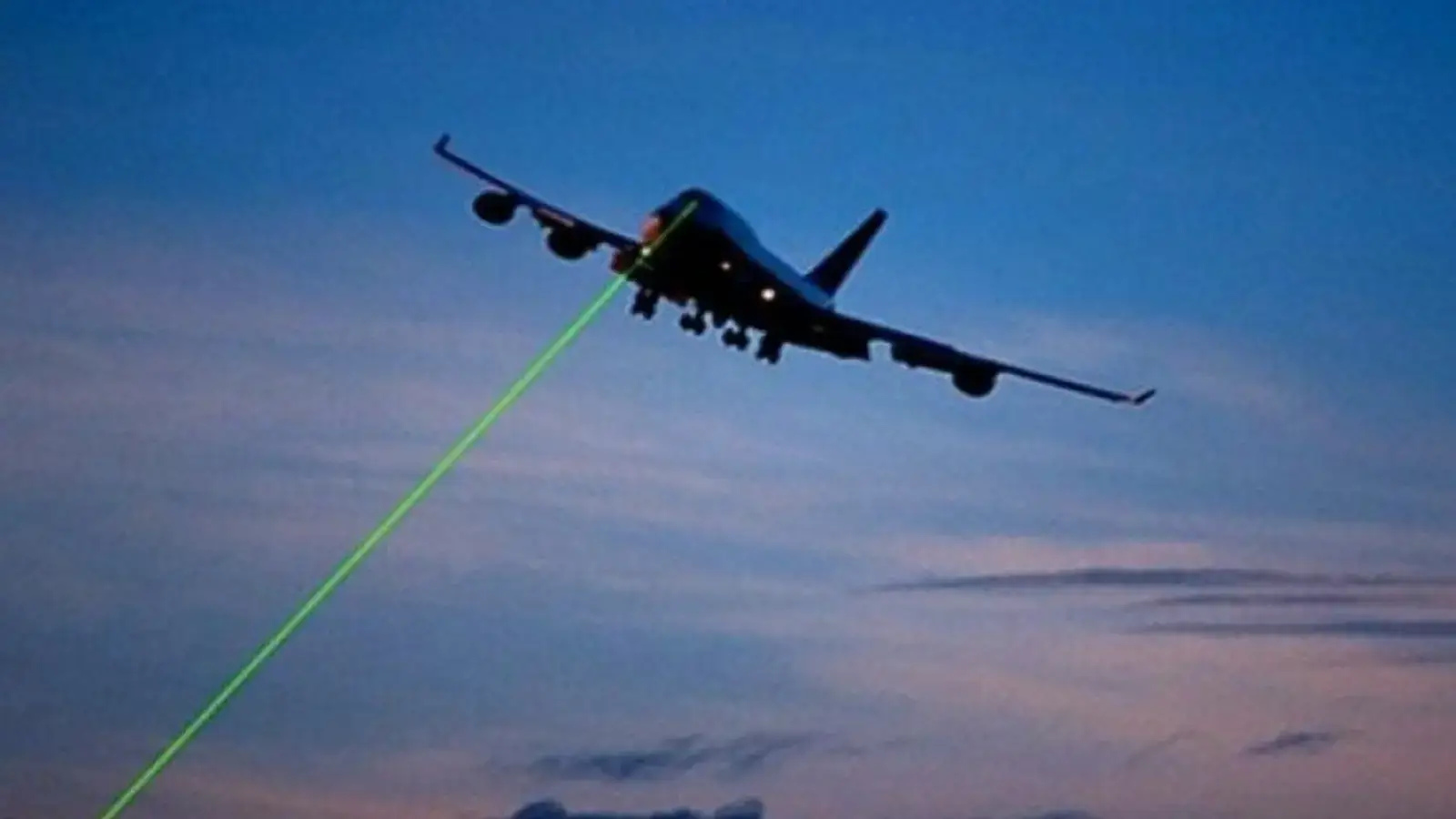
By 2025, a new trend in the topic of air defense has become obvious: the USA, Great Britain, Israel, Australia, and China are bringing laser weapons closer to practice. This is not mere "fantasy" - it's a real turning point in military strategy: eliminating an air threat with a quick, precise, and relatively inexpensive strike.
According to Interesing Engineering, the five major developments that caused the most controversy in the field of combat lasers in 2025 are:
1. US Navy 400 kW SONGBOU laser
The US Navy has committed to manufacturing a 400-kilowatt laser weapon to be installed on ships through the SONGBOU program. The idea of the project is to combine several industrial lasers with a capacity of about 50 kilowatts into a single giant energy beam. The result is serious: the ability to work against large-range drone groups, cruise missiles, and high-speed targets.
2. Australia's anti-drone "killer" - Apollo
The Australian company EOS introduced the Apollo system. It is mentioned as one of the most economical and effective lasers in the fight against drones. The power is said to be approximately 150 kilowatts. The most interesting thing is that one charge can destroy up to 200 drones. 360-degree cover and operation without ammunition is a rather harsh answer to the problem of "expensive rocket, cheap drone."
3. Israel's Ayran Bim system is being implemented
Israel is said to have deployed the ground-based Ayron Bim laser system and is promoting it as a "combat laser." The system's main promise is to shoot down a drone, missile, or mortar shell within seconds. Ayron Bim is said to have joined the air defense chain, helping to block the threat in a much cheaper way than missiles, especially during mass attacks.
4. DragonFire laser from Great Britain
The United Kingdom tested the DragonFire system and placed orders. The tests showed that the laser successfully targeted the drones. Notably, the cost of one "shot" is said to be approximately £10. The accuracy is terrifying: you can hit a scale-sized target at a distance of 1 kilometer. For this reason, DragonFire could become a very attractive weapon for the Navy and Ground Forces in the future.
5. China's Rate: An Attempt to Overtake the United States
China demonstrated the LY-1 laser system, emphasizing its superiority over similar developments in the US. Competition with systems such as ELIOS, designed against low-flying targets and drones, is also mentioned. There is information that it was deployed on naval vessels, as well as tested on land. In the grand scheme, this is part of a broader arms race between the US and China: the acquisition of high-power, precise, and relatively inexpensive targeted energy resources.
The conclusion is one: the news of 2025 indicates that high-powered laser weapons are no longer the "technology of the future." They are gradually becoming standard weapons in the fight against drones and other air threats. Now the question is not "will there be a laser?" - it's moving to the point of "which front will be the first to use it widely?"



Comments 0
…