


Dugin's statement: the debate over sovereignty has heated up again in Central Asia...
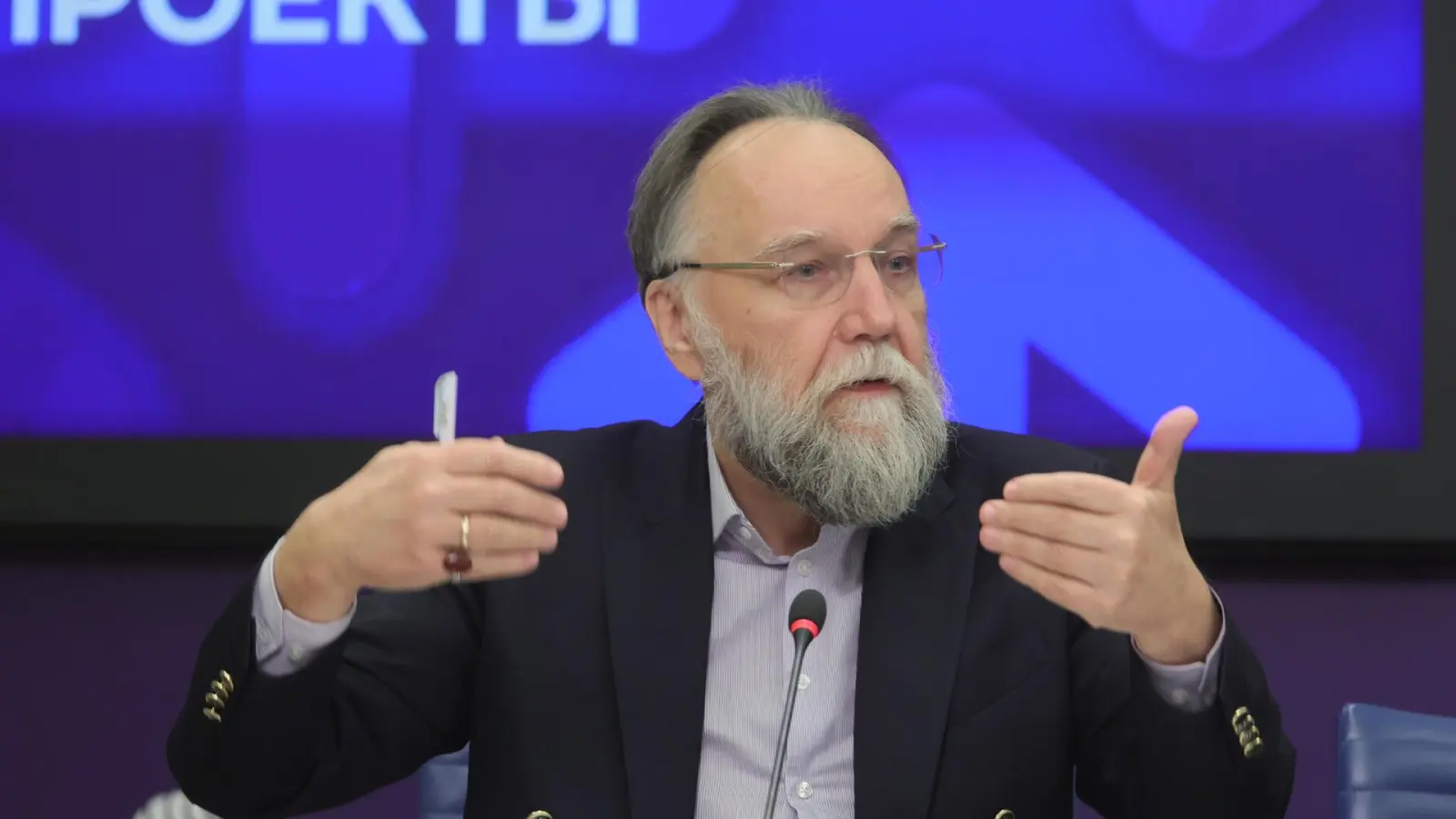
Russian philosopher and Z-ritorist Alexander Dugin, in his latest interview, sharply approached the issue of sovereignty of states in the post-Soviet space, stating that independent national states cannot exist in the "new model of the world." This statement once again raised the question "who claims what?" on the agenda in the information space.
Dugin's main thesis is this: he believes that a "tripolar world" is forming, and in this system, Russia should become a "center of power" and strengthen control over the surrounding territories. He emphasized that areas not under Russian control will not remain a "neutral zone" - on the contrary, they can become a "support point" for the US and the European Union or China.
The most controversial point of the statement is that Dugin spoke in a way that practically denies the existence of sovereignty of certain countries, including the Central Asian republics. He puts forward the view that the era of nation-states is "ending," which he describes as a "legitimate" state of the new geopolitical architecture. In short, the sentence begins with "philosophy," but its content goes directly back to the rhetoric of political pressure.
Regarding the question of who Dugin is, he is often associated with neo-Eurasianist ideas and, as a figure known for his anti-Western, anti-liberal positions, has been the subject of controversy in various sources. An important detail at this point: each appearance of such figures is not a simple "exchange of ideas" - it is, in many cases, a package of theses aimed at the emotional preparation of the audience.
The background is also interesting: these days, sensational statements have also increased in the Russian television landscape. For example, after Vladimir Solovyov's statements about Armenia and Central Asia were widely discussed, Russian Foreign Ministry official Maria Zakharova said that these are not the official position of the state, but the personal opinion of the TV host.
Another hint: some countries have been introducing entry restrictions for individuals making harsh statements in Russia. In particular, in Kazakhstan, some sources mention Dugin in the list of persons "to whom entry is unacceptable."
What will these statements affect?
We cannot say that the current policy will be changed tomorrow. But such signals in the information space accelerate three dangerous things:
- increases public anxiety and distrust;
- attempts to normalize the idea that "sovereignty is a conditional thing";
- pressure on the internal and external decisions of regional states exacerbates the background.
Here one thing is clear: sovereignty is not a slogan on paper - it is maintained by economic stability, the rule of law, the army and security system, diplomatic relations, and most importantly, the internal unity of the nation. In other words, the strongest response to phrases like "they won't accept your existence" is the state's systematization of its work.
In the end - we don't lose heart: the words of everyone who speaks loudly in the information space don't mean "real plan." However, such statements cannot be dismissed as "oh, it's not worth paying attention to." Vigilance is not panic. All we need is to rely on facts, follow official sources, and strengthen the pillars of our home. After all, the future is decided not by what "someone said about us," but by what "we are doing."



Comments 0
…