


New figures have emerged regarding Kenyan recruits to the Ukrainian front
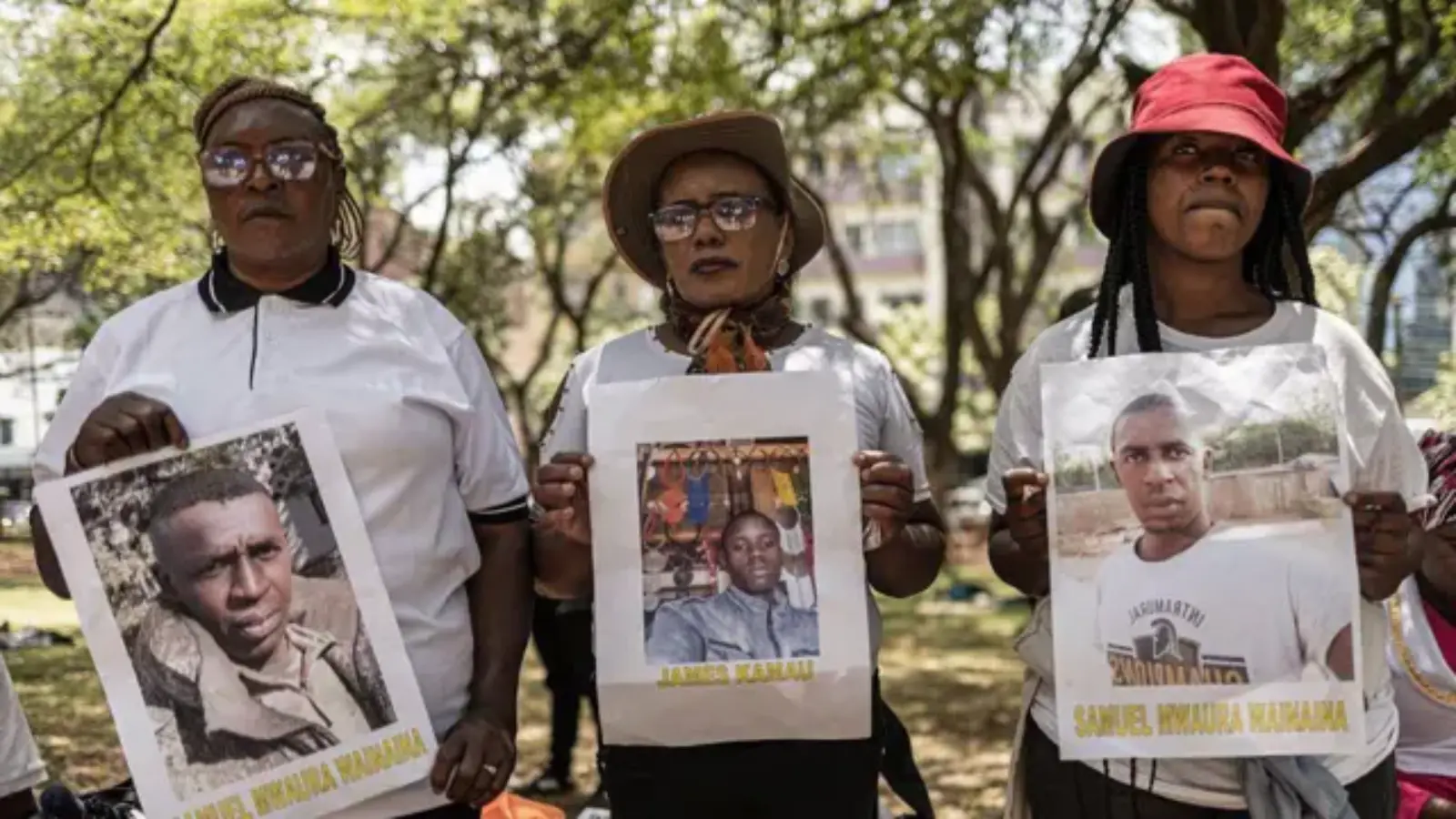
Russia may have recruited more than 1,000 Kenyans to participate in the war in Ukraine. Reuters reported this on February 19th, citing Kenyan intelligence. It is reported that this figure is approximately five times higher than the figures previously estimated by government agencies.
According to reports, Kimani Ichungwa, the majority leader in the lower house of the National Assembly, presented a intelligence report to the MPs on February 18th. The report states that recruitment was not random, but was established through a multi-tiered network: a group of corrupt officials and human traffickers found recruits and encouraged them to "work."
It is noted that among the recruits are former military personnel, police officers, and unemployed citizens. The recruiters promised approximately $2,715 (€2,308) as a monthly salary, as well as up to $9,309 (€7,916) as a bonus. That is, it's not about a simple "journey" - it's about catching people with money and leading them down a dangerous path.
By February, the report stated that 89 Kenyans were on the Ukrainian front, 39 were hospitalized, and 28 were listed as missing. It's difficult to read these numbers: behind each "number" can be a separate fate, a separate family, a separate tragedy.
It is said that the roadmap was also systematic. Initially, Kenyans left the country on tourist visas through Turkey or the United Arab Emirates. Then, after tightening control at Nairobi Airport, the route changed: recruits began to leave through Uganda, South Africa, and the Democratic Republic of Congo.
Reuters reports that recruitment agencies collaborated with corrupt airport staff, immigration services, and contacts with employees of the Russian Embassy in Nairobi and the Kenya diplomatic mission in Moscow.
The Russian diplomatic mission in Nairobi denied any involvement in such illegal recruitment. It stated that "foreign citizens can voluntarily join the ranks of the Russian Armed Forces."
At the same time, it was reported that Kenya's Foreign Minister Musaliya Mudavadi said he plans to visit Russia in March to hold talks on the situation.
There is another painful example related to human fate around this incident: earlier, Kenyan professional athlete Evans Kibet said that he was supposedly called up to Russia to participate in running competitions, and then he was deceived into signing a contract and sent to fight in Ukraine. According to him, he escaped on his first mission and was captured in Kharkiv Oblast after surrendering to the Armed Forces of Ukraine.
The conclusion is this: this story reminds us of something even earlier than "who is right, who is wrong" - human trafficking and deception are still alive in the world. No matter how difficult it may be, such cases should be openly discussed, control should be strengthened, and a mechanism for protecting people should work. Because hiding war behind the "tourist visa" label is already playing with human life.



Comments 0
…