


Why is the Hantavirus causing panic: Is it a “second COVID”?
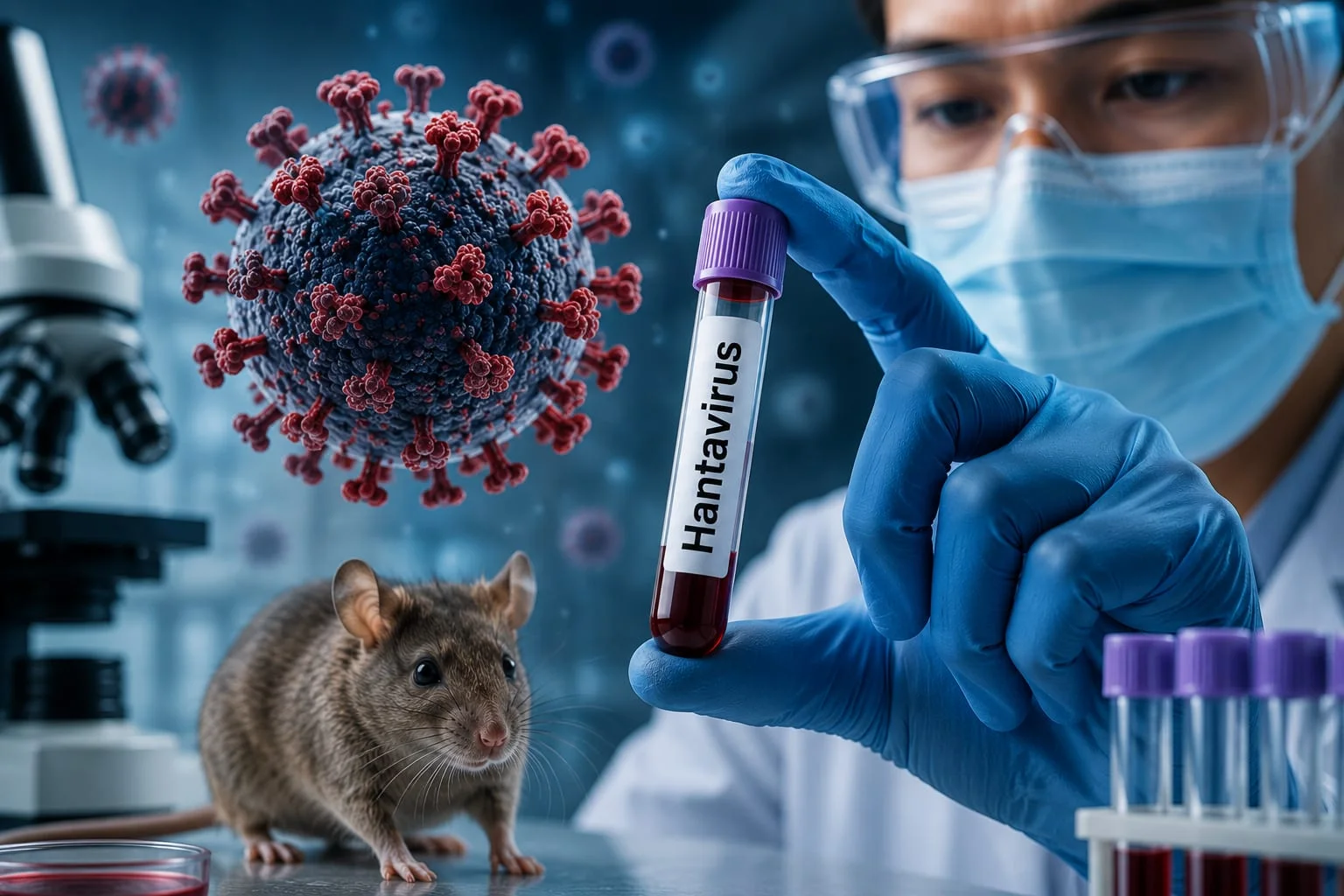
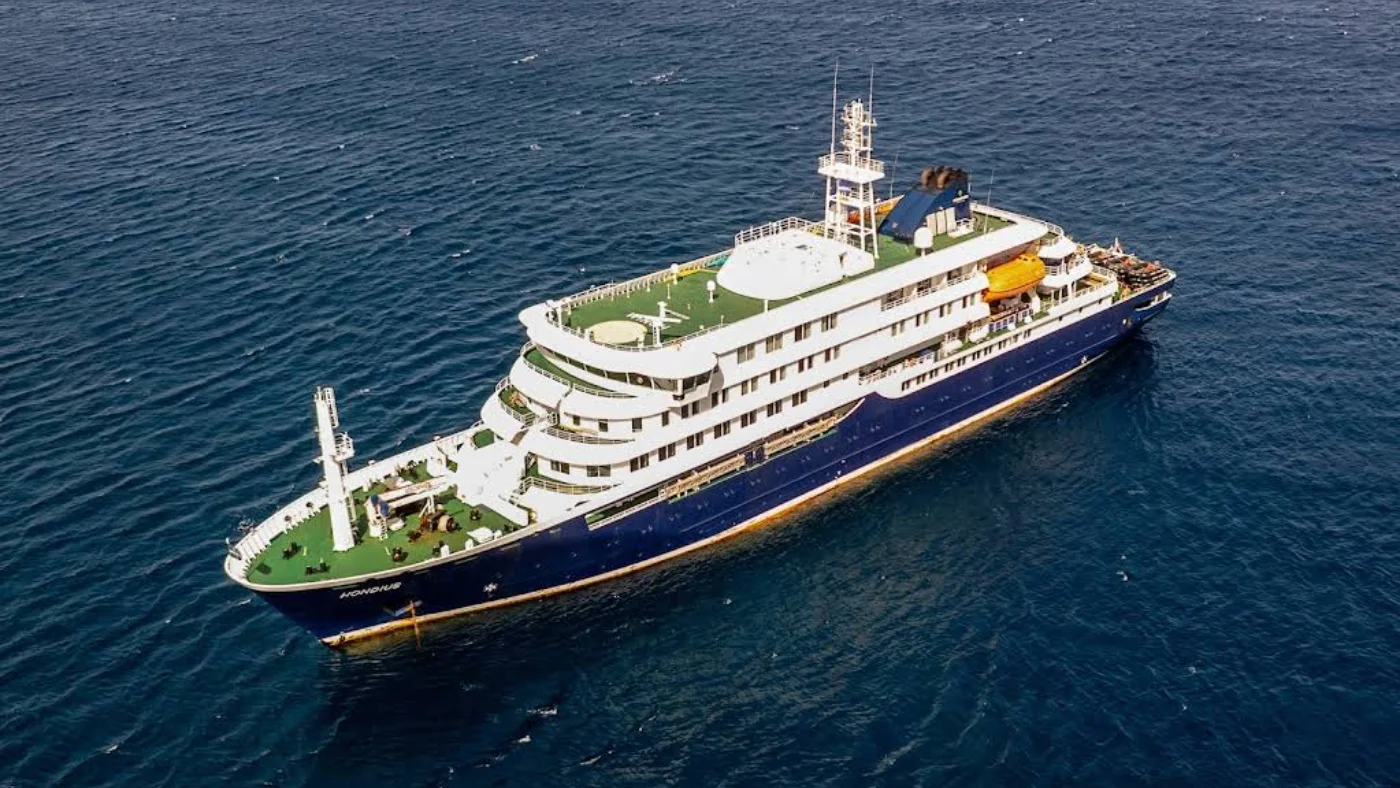
In early May 2026, reports of a hantavirus outbreak on the cruise liner MV Hondius captured global attention. The deaths caused by the virus on the ship, which was traveling from Argentina to Cape Verde, sparked intense discussion on social media.
According to the World Health Organization, three of the 147 passengers on the liner have died — a 69-year-old Dutch man, his 70-year-old wife, and a 69-year-old British citizen. A total of eight people have been diagnosed with the disease. The ship's crew and passengers have been quarantined.
The ship is currently heading toward the port of Tenerife. It has been reported that healthy passengers will be returned to their home countries. However, concerns have intensified because about 40 passengers left the ship before news of the virus spread. Health authorities in at least ten countries are currently monitoring their condition.
On May 8, the first case of hantavirus was also recorded in Israel. A day later, reports emerged that more than 110 people had fallen ill on another cruise ship.
So, what exactly is the hantavirus?
Experts note that there are over 20 types of hantaviruses, which primarily cause severe respiratory diseases. The main carriers of the virus are rodents. Humans are usually infected through contact with the secretions of infected animals.
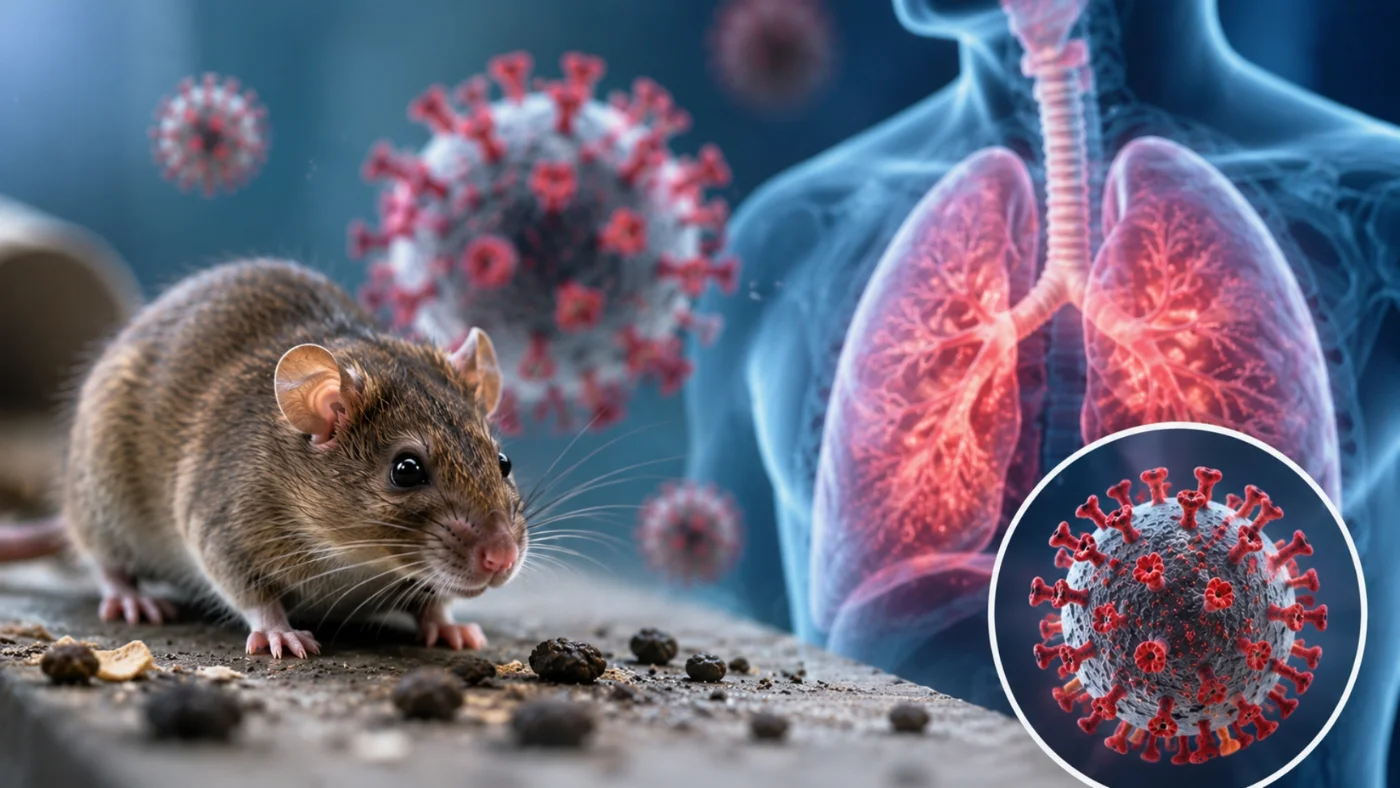
Hantavirus can cause serious damage to lung and kidney function. The disease is usually accompanied by fever, headache, muscle pain, nausea, and severe fatigue. Experts recommend re-testing 72 hours after initial symptoms if the virus is suspected. Currently, there is no specific cure for the virus, and patients receive supportive care.
It is reported that the first passenger who died on the MV Hondius also contracted the virus through rodents. The man had traveled in areas of South America where hantavirus-carrying rodents live.
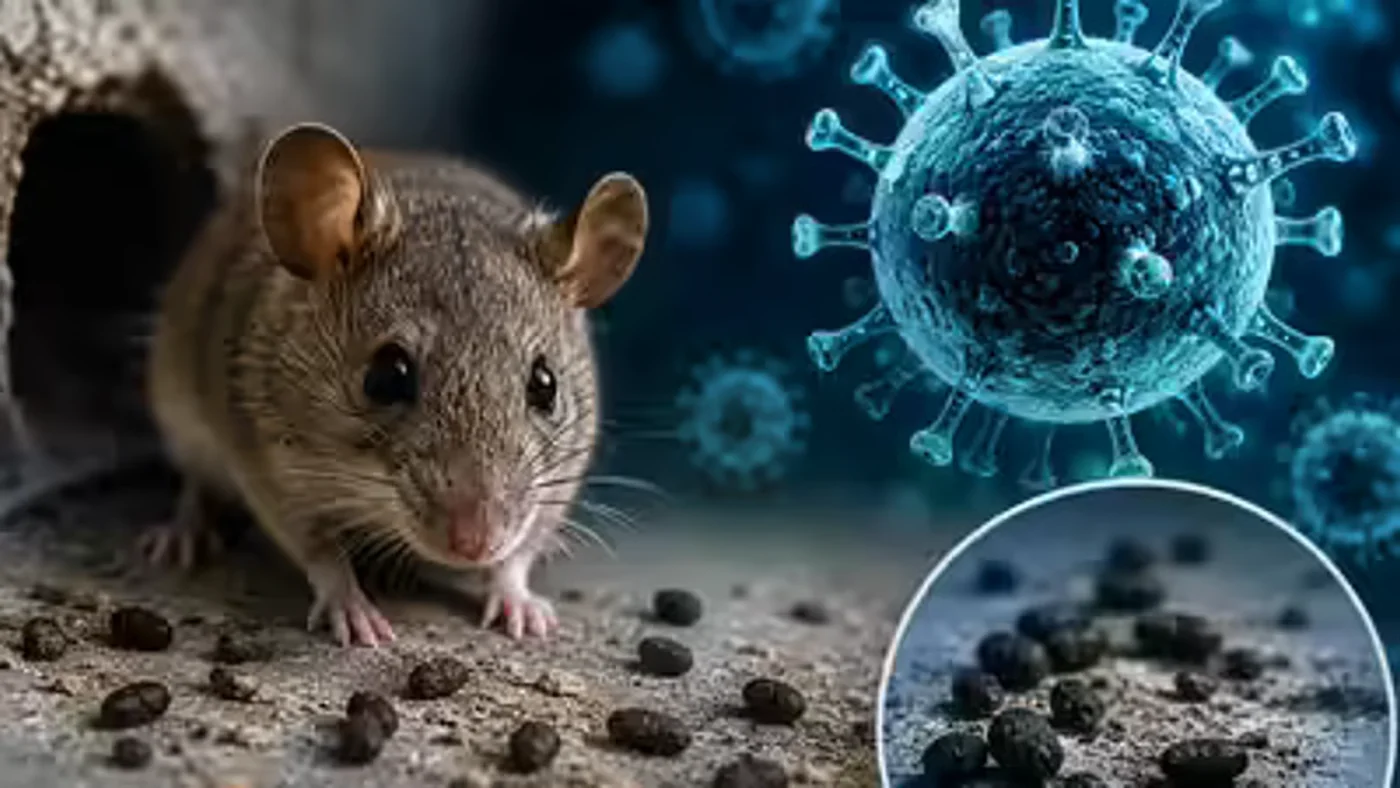
Experts emphasize that the Andes strain found in Latin America is the only type of hantavirus that can be transmitted from person to person. However, the World Health Organization has stated that this is very rare and requires prolonged contact.
The WHO also stated that it is incorrect to characterize the situation regarding the hantavirus as a “second COVID.”
Nevertheless, panic is growing on social media. Some users are recirculating “predictions” about the hantavirus made on Twitter in 2012 and 2022. In particular, a post from 2012 by microbiologist Jason Tetro, who wrote that he had heard talk of making the hantavirus transmissible from human to human to create a pandemic, has gained popularity again.
In addition, an account known as @iamasoothsayer in 2022 also became the center of discussion for “predicting” the start of a hantavirus pandemic in 2026.
Some social media users have started posting humorous videos about the “new pandemic,” recalling popular trends from the 2020 pandemic era, such as Dalgona coffee and TikTok dances.


Comments 0
…