


Living processor: scientists created a fusion of brain cells and electronics
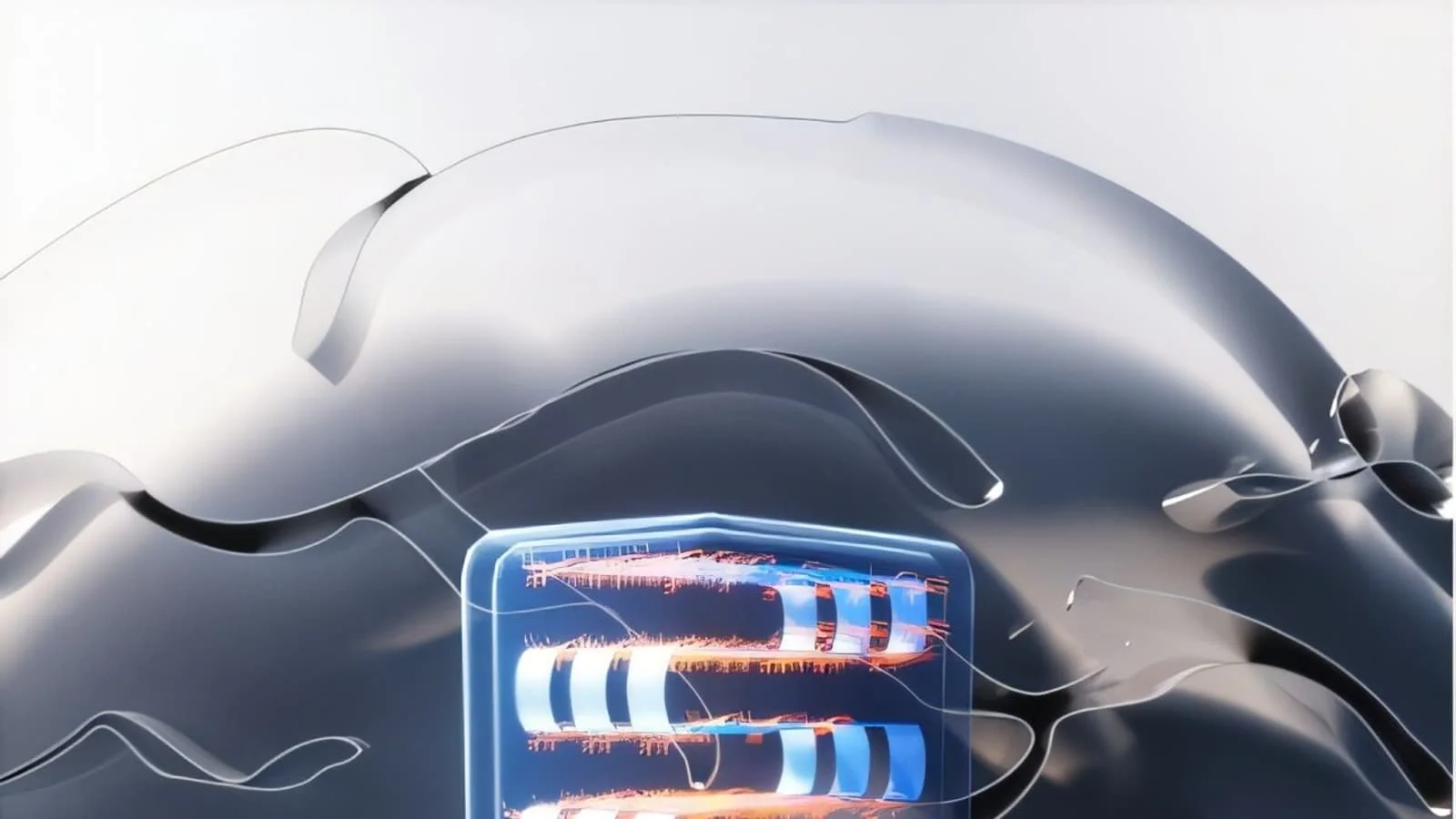
Modern artificial intelligence systems are inspired by the structure of the human brain, but they run on silicon chips and consume vast amounts of electricity. Researchers at Princeton University, instead of mimicking biological processes, have created a hybrid platform that combines living nerve cells with flexible electronics. This 3D-MIND device, published in the journal Nature Electronics, aims to harmonize the energy efficiency of the human brain with technology. This is reported by Ixbt.com news.
The team led by study author Tian-Ming Fu developed a three-dimensional flexible electronic mesh, unlike traditional flat neurochips. Brain cells grow within this mesh, forming a seamless integration of biology and electronics. Because the device is made of soft materials similar to brain tissue, it can operate for over six months without damaging cell activity.
The sensors embedded in 3D-MIND allow for monitoring the electrical activity of neurons and sending precise signals to them. Through this approach, scientists achieved much more complex and efficient computing power than 2D systems. This could usher in a new era not only for creating energy-efficient AI systems but also for studying neurological diseases and testing drugs.
Currently, scientists are working on scaling the device and increasing the number of sensors. In the future, these hybrid systems are expected to combine biological adaptability with electronic precision, leading to revolutionary changes in medicine and computer technology.



Comments 0
…