


Neurobiologists debunk the myth of declining human attention in the digital age
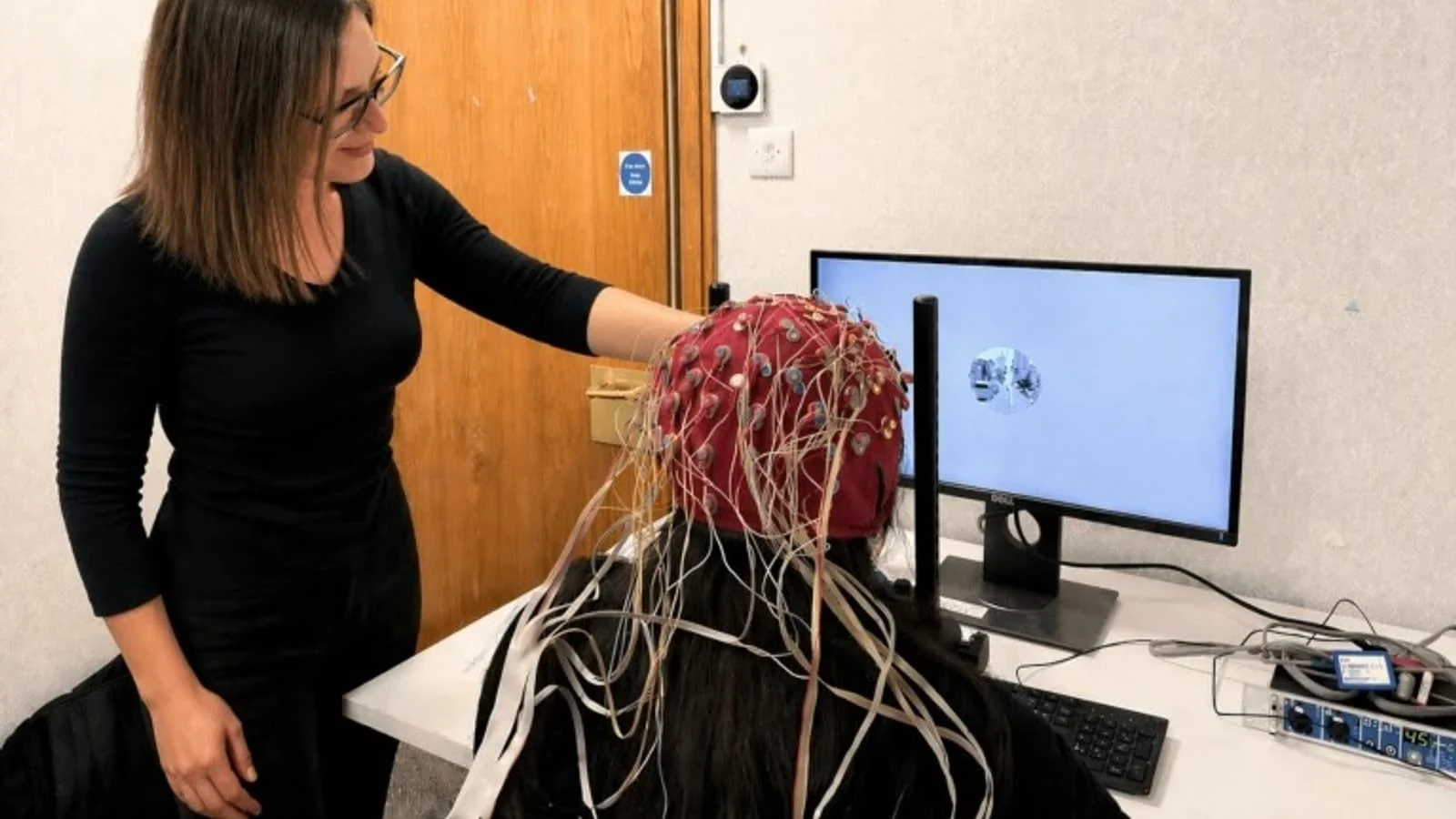
The idea that smartphones and the internet have irreversibly reduced human attention spans in the modern world has not been scientifically proven. Large-scale studies involving over 21,000 people from 32 countries showed that children's cognitive stability indicators have remained unchanged, while adults have even shown slight improvement. Experts from the University of Chicago and UCL believe that the brain's biological mechanisms have not degraded; rather, the external environment is constantly encouraging distraction. This is reported by Ixbt.com .
Microsoft's famous 2015 report claiming that human attention spans had become shorter than those of a goldfish was dismissed by experts as a marketing myth. In reality, the problem lies not in the brain's capacity, but in the dynamics of its usage. According to observations by psychologist Gloria Mark from the University of California, Irvine, office workers focused on a single task for an average of 2.5 minutes in the early 2000s, a figure that dropped to 47 seconds by the 2020s.
Nilli Lavie's research shows that the ability to resist distractions is linked to the volume of gray matter in the brain's prefrontal cortex. Attention works like a muscle: constantly switching between tasks weakens executive control, while deep focus practice strengthens it. The current "attention deficit" is not a medical pathology, but a result of the brain's drive for quick dopamine hits.
Neurobiologist Michael Esterman notes that social media and notifications are more attractive goals for the brain than complex tasks. People have become accustomed to distracting themselves even without external signals. However, fMRI analyses confirm that the brain's fundamental ability to focus remains intact and is a restorable resource.



Comments 0
…