


Uzbekistan Trading Electricity for Water
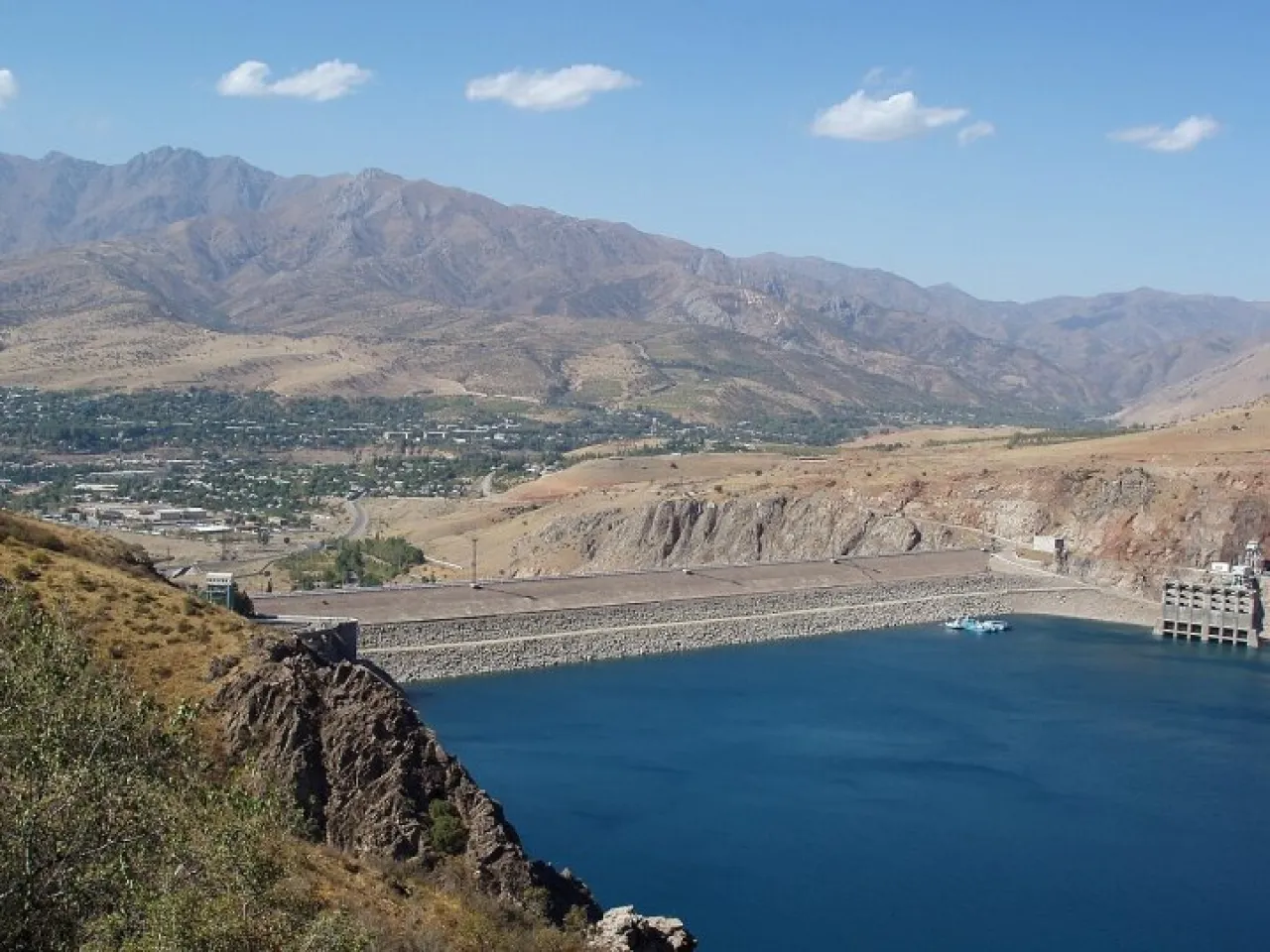
The severe water resource shortages experienced throughout the region this year have directly impacted Uzbekistan's energy sector. This was reported by Upl.uz.
A 35 percent decline in water volume compared to last year resulted in a drop in electricity production at major hydroelectric power plants. This was announced by Minister of Energy Jurabek Mirzamakhmudov during a government session held at the Legislative Chamber of the Uzbek Parliament.
In response to a question raised by "O‘zLiDeP" faction representative Saidullo Azimov, the minister linked the decline in hydropower production to climatic factors. According to him, low water levels in reservoirs and rivers hindered large hydroelectric power stations from operating at planned capacity.
To address the issue, small hydropower development was prioritized. However, the output from new capacities remains low for now: small and micro hydropower plants, with a capacity of up to 5 MW, collectively generated only 140 million kilowatt-hours of energy. The ministry's future strategy includes not only further developing hydropower but also transitioning to alternative energy sources that are less dependent on water resources.
Jurabek Mirzamakhmudov emphasized that solar, wind, and energy storage systems remain key directions for reducing gas consumption. Additionally, considering that building large hydropower plants takes 6-10 years, alternative energy projects could meet energy supply needs in the short term.
Long-term prospects are also being considered: in September, agreements were reached with Chinese companies to construct pumped-storage hydroelectric stations in Uzbekistan. In parallel, efforts are underway to enhance the capacity of cross-border electricity transmission lines between Uzbekistan, Kyrgyzstan, and Tajikistan.
The project is being supported by the World Bank under its REMIT program. In mid-December, Jurabek Mirzamakhmudov announced plans to export 2.6 billion kilowatt-hours of electricity to Kyrgyzstan and Tajikistan.
This strategy enables the collection of water in reservoirs to provide irrigation water for Uzbek farmers during the growing season. As a result, despite a 35 percent reduction in rainfall, Uzbek farmers did not suffer from water shortages during the summer season.
With the commissioning of new capacities and the creation of reserves, Uzbekistan has become an energy supplier. Last week, Uzbekistan began supplying up to 2 million kilowatt-hours of electricity daily to Tajikistan, with plans to increase this volume in the future.
Currently, the country's hydroelectric potential stands at 27.4 billion kWh annually, but only 30 percent of this capacity has been utilized. Therefore, the development of small hydropower plants is seen as a promising direction for the future.


Comments 0
…