


India's experience: 118 million women are being paid "salary for housework"!
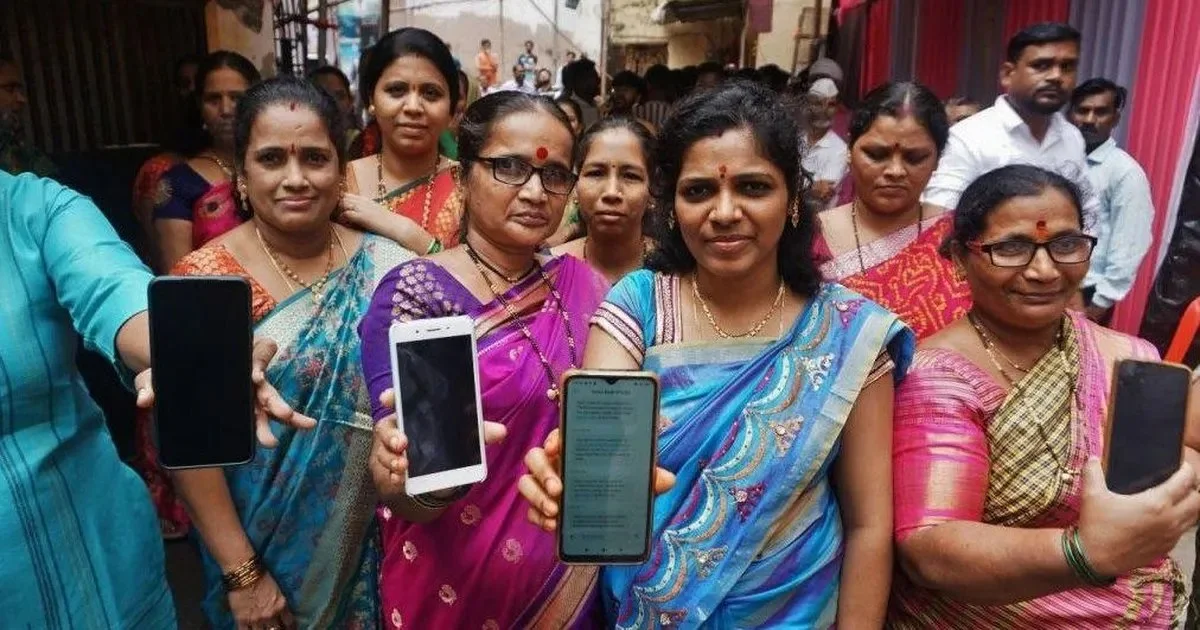
India is implementing one of the world's largest social tests aimed at recognizing unpaid domestic work. In a number of states of the country, the state began to allocate regular monetary payments to housewives who do not have an official job and are engaged in household management, caring for children and elderly relatives. The BBC reported this.
This refers to a special money transfer program operating in at least 12 Indian states. According to official estimates, the number of women using this initiative is approaching 118 million. In terms of coverage, this is one of the largest projects in the world for social support of the population. It is noteworthy that payments are transferred to personal bank accounts opened in the name of women, and confirmation of employment or a report on the use of funds is not required.
The monthly fee ranges from 1,000 to 2,500 Indian rupees, which is around 12-30 US dollars, depending on the state. At first glance, these funds may seem insufficient, but they are of great importance for millions of families, especially in rural areas and among low-income segments of the population. In many cases, this money serves as an important support for daily needs, food, or children's education.
Economists and sociologists emphasize that the main goal of the program is not just financial assistance. It is aimed at symbolic recognition of domestic labor, which traditionally falls on the shoulders of women, but is not reflected in the gross domestic product and official economic calculations. According to international organizations, unpaid work at home and caring for family members occupies most of women's time and seriously limits their economic opportunities.
Many program participants say that for the first time they have the opportunity to independently manage the funds received in their name. According to experts, this situation increases women's self-confidence, strengthens their influence in the family, and reduces financial dependence on husbands or other relatives.
At the same time, the initiative is causing heated debates among the public. Critics believe that such payments can reinforce the traditional distribution of gender roles and encourage women to stay home instead of entering the labor market. Some express concern that the programs are being used for political purposes, in particular in the pre-election process, in regions with a high level of poverty.
Government representatives emphasize that this is not about introducing a full "household salary" in the legal sense. According to the official position, these payments are assessed not as payment for labor, but as a measure of social support. Nevertheless, the term "paid domestic work" is increasingly used in the public and mass media.
Experts note that the experience of India is already being carefully studied by other countries. In many countries, discussions have intensified about how unpaid labor should be accounted for in the economic system. If this experience is justified, it can serve as an impetus for the formation of new approaches to assessing women's labor and social policy not only in India, but also on a global scale.



Comments 0
…