


Trump's options for seizing Greenland: pressure, agreement, even force
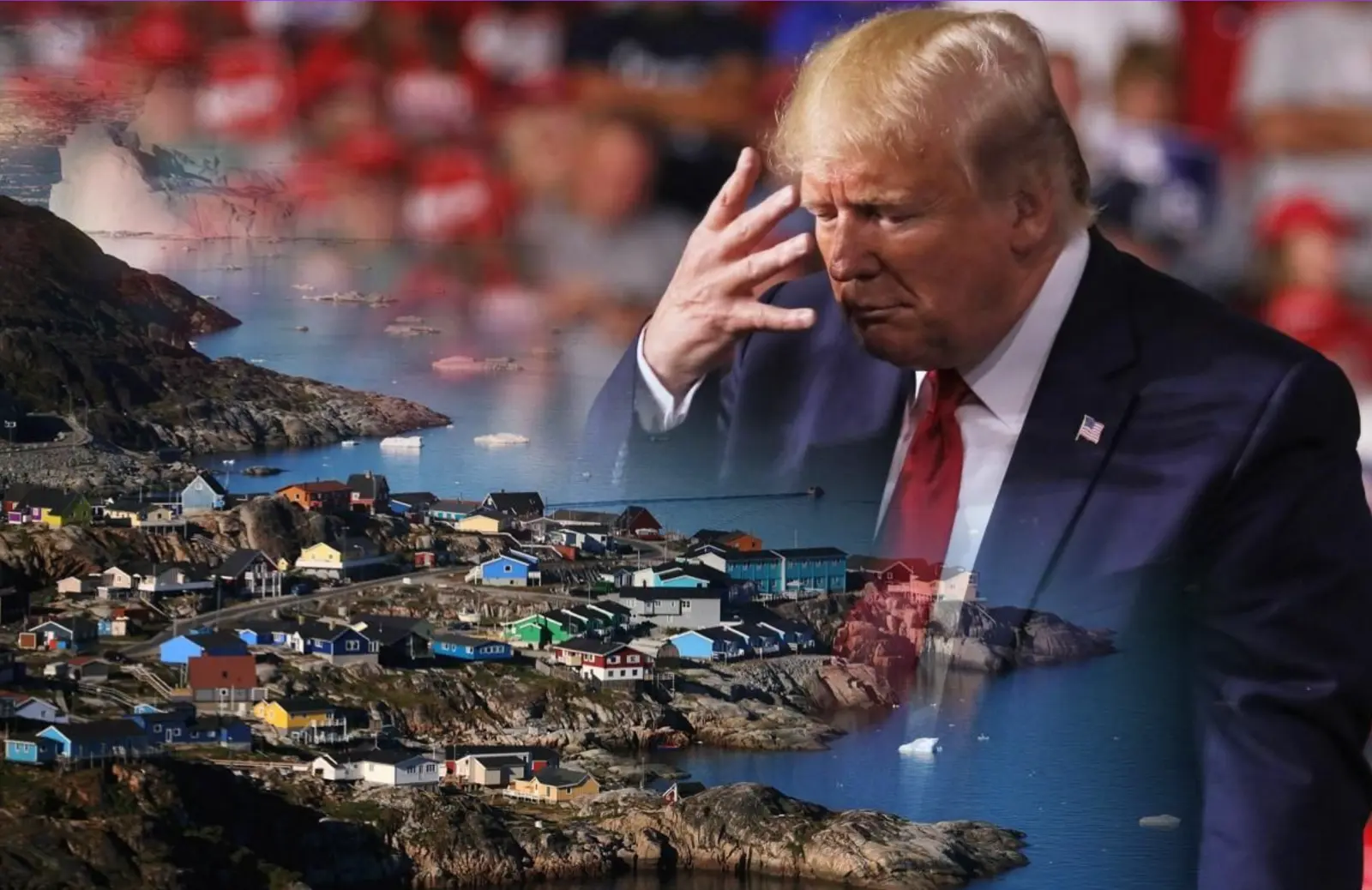
On January 7, White House spokesperson Caroline Levitt said that the administration of US President Donald Trump is discussing various options for strengthening control over Greenland (or bringing it under its influence altogether). According to him, this issue is "a priority for US national security" and is important from the point of view of curbing adversaries in the Arctic. The most discussed aspect is that the use of military force was "not excluded" among the options.
According to Reuters, the White House is not hiding the breadth of the "range": Trump and his advisers are also discussing the purchase of Greenland or concluding an agreement with the region in a format similar to a "free association." Such an agreement does not formally annex Greenland to the US, but could allow Washington to strengthen its strategic presence.
At the same time, against the backdrop of such disputes, the position of the Greenland side and the European leaders is sharp: signals that the island is "not for sale" have been voiced before, and now a number of countries openly assert that Greenland belongs to their people. Analysts note that if a scenario of the use of force occurs, it will turn into a major upheaval within NATO and a severe crisis for the alliance.
The British publication The Times also interprets this situation as speculative scenarios indicating growing geopolitical interest in the Arctic rather than a truly verified "plan." The most extreme option is invasion: the US can conduct such an operation militarily, but the distance, harsh climate, logistics, and, most importantly, the political consequences associated with the Allied territory make this route extremely dangerous.
The second, relatively "soft" scenario is coercion through economic pressure and investment. Danish subsidies play an important role in Greenland's economy, so Washington's large investments may appear attractive to certain circles. However, Copenhagen is very sensitive to any attempts to "influence" on this topic.
Another possible option is a format similar to a "free association": official sovereignty will be preserved, but the path to expanding US military-strategic participation may open. Reuters wrote that this option is being discussed in internal discussions.
The most realistic path seems to be the gradual strengthening of bases, investments, and strategic cooperation without disrupting the status quo. That is, the "official map" will not change, but the areas of influence will expand. In the Arctic, such games are simple: whoever bets on infrastructure and "covers" security, that side's words sound heavier.
Why is Greenland at the center of such discussion? Reuters and other sources note that the island has a strategic location in the Arctic, where US military involvement already exists, and there are also talks about mineral reserves that could be important for high technology and the defense industry. With the melting of glaciers, the issue of resources and sea routes will become even more "hot" - both in geopolitics and in the real sense.
The conclusion is simple: Washington, by "options," means not just one path, but a wide spectrum, from pressure to agreement. But every harsh statement accelerates the game in the Arctic - and who will have the strongest hand in this game tomorrow depends on how wisely today's diplomacy is conducted.



Comments 0
…