


Panama Port Treaty Cancelled: US-China Dispute Sharpens Again
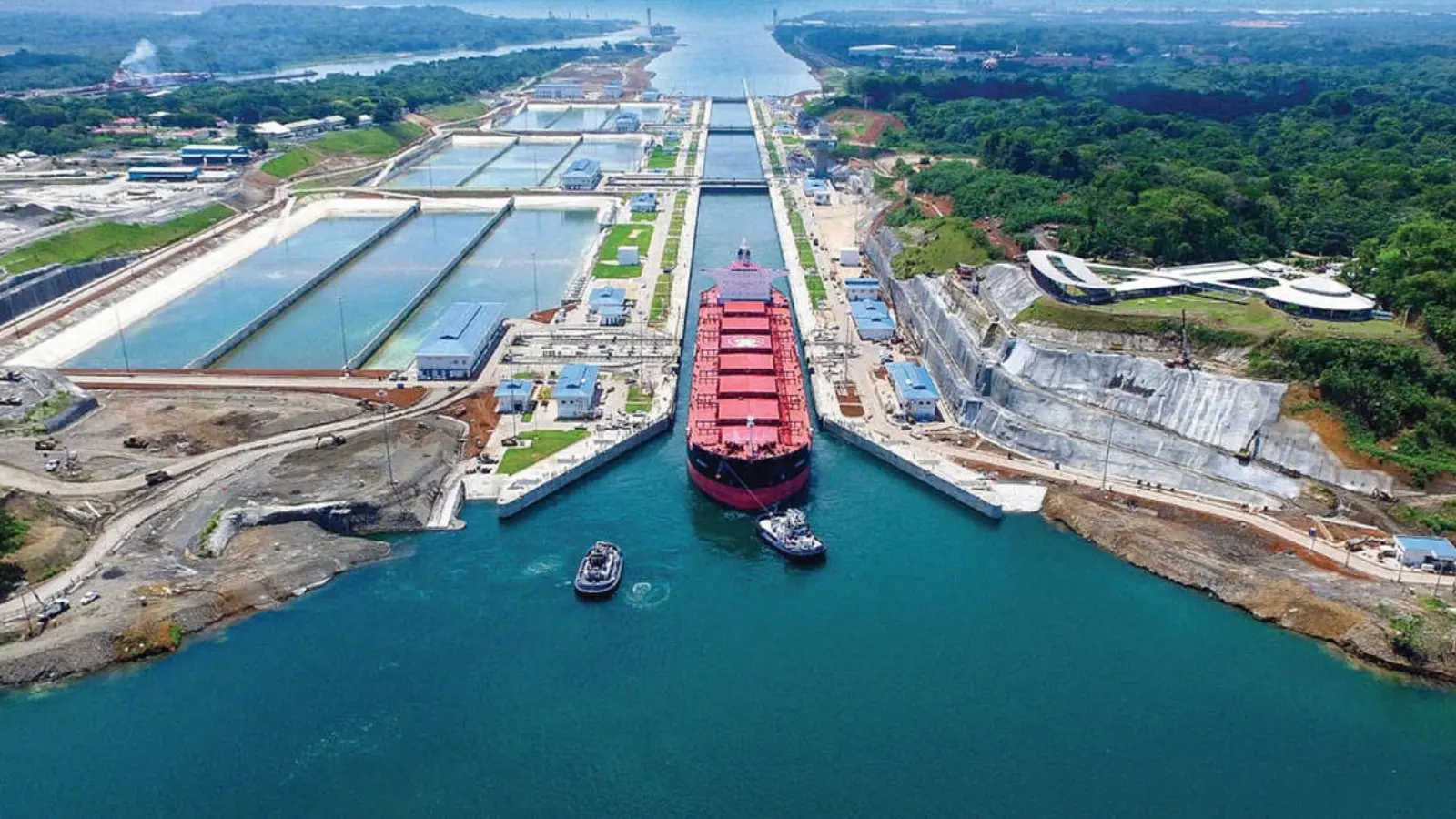
The Supreme Court of Panama annulled the agreement that granted C.C. Hutchison the right to manage two major ports on both sides of the Panama Canal - the port of Balboa (Pacific coast) and the port of Cristobal (Atlantic side). The judges noted that the terms of the agreement contradict the requirements of the country's constitution.
This decision - roughly speaking - resembled a new episode of the geopolitical series "who has the strongest influence?" around the channel. Because the issue comes down not only to port management, but also to the game of influence through the region's infrastructure.
Why has this decision caused such a stir?
Reports emphasize that this event is being assessed as a diplomatic "achievement" by Donald Trump in his competition for influence in the Western Hemisphere, especially against the backdrop of the confrontation with Beijing. Trump had previously made sharp statements that the Chinese infrastructure surrounding the canal could pose a threat to US security.
Claim and "lost opportunity" of $1.3 billion
According to reports, private lawyers and the country's chief inspector stated that the contracts were harming state interests, and a lawsuit was filed on this basis. A government investigation has shown that since the late 1990s, the budget has lost approximately $1.3 billion in revenue due to the terms of the agreement.
Now, after the cancellation of the license, the government is considering a plan to attract a temporary operator to the ports, and then hold a new tender.
Will there be a "signal" to China, a "plus" to the USA?
The reports also note that China's investments in Latin American infrastructure are substantial, but the US remains Panama's largest investor and trading partner.
According to the WSJ, for Beijing, this is a diplomatic defeat that occurred several weeks after the capture of China's main ally in the region - Venezuelan leader Nicolas Maduro - by the American military in Caracas. A source familiar with the Chinese government's plans stated that Beijing is forming a working group on Latin America to explore ways to protect its interests and is likely looking for response options.
Brief overview of the economy of Panama
In Panama, the US dollar is widely used in the national monetary system, and in the context of a fully dollarized system, the absence of a central bank is also noted in expert analyses.
Conclusion: this decision is not just a question of "who will own the port?" This is a big game for transit, logistics, and points of influence. In short, ports are for containers, and decisions are for geopolitics.



Comments 0
…