


The new IQ rating, in which South Korea is leading, has been announced
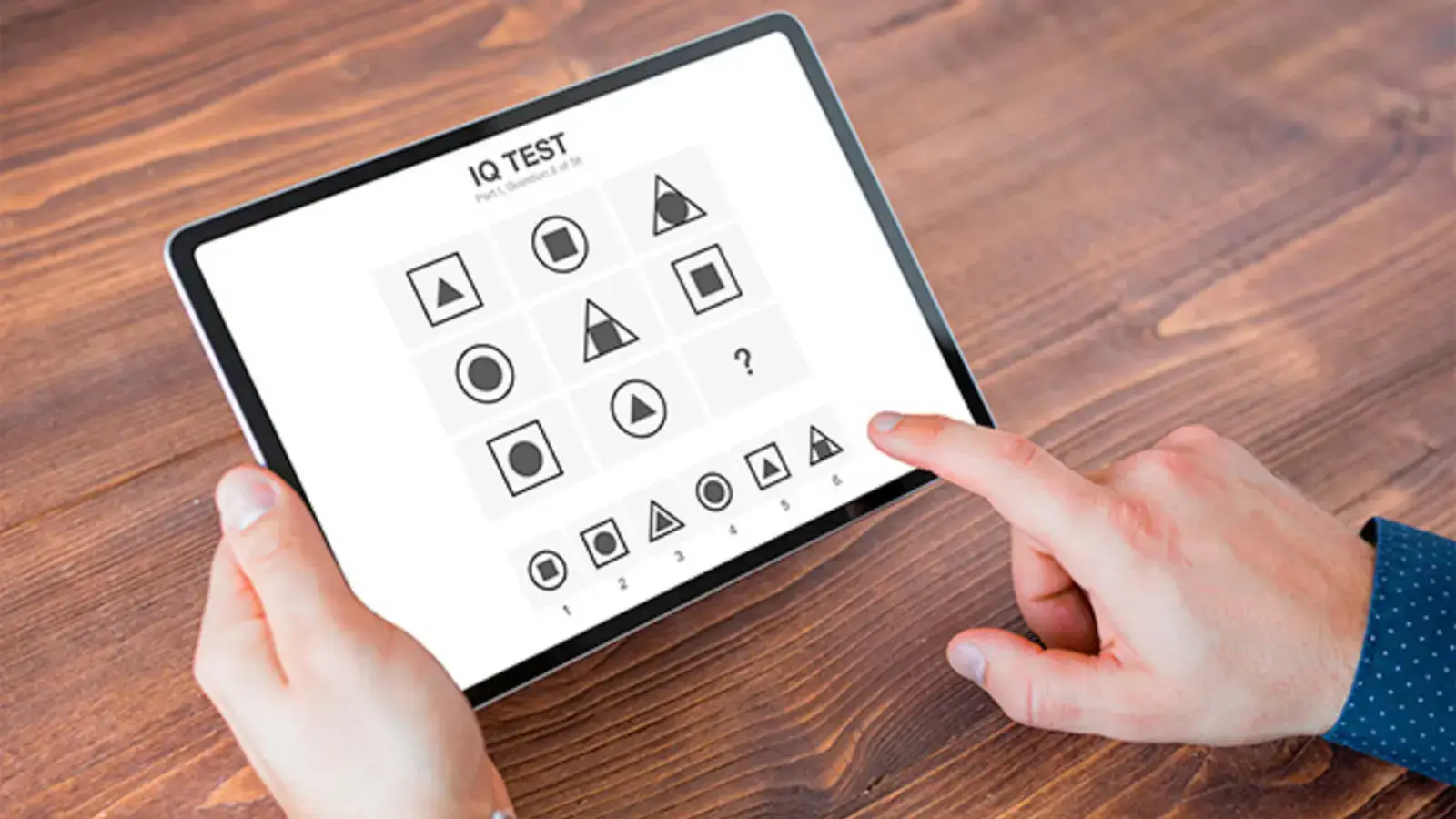
Along with the beginning of the year, another interesting statistic was released: the International IQ Test platform updated its average IQ rating by country as of January 1, 2026. The rating is based on the results of 1,212,714 participants who solved tests on the same tasks on this site during 2025.
Important aspect: to be included in the rating, at least 100 people from each country must have taken the test - otherwise, the result will be considered "unstable" and excluded from the general list. Therefore, it is more accurate to consider this table not as a "truth that fully measures humanity," but as a large observation in the context of an online audience.
Who is in the top 10?
South Korea is at the top of the ranking this year with 106.97 points. It is followed by China (106.48) and Japan (106.3).
Iran (104.8) and Australia (104.45) completed the top five. Russia (103.78), Singapore (103.56), and Mongolia (102.61) follow. New Zealand (102.35) and Vietnam (102.26) completed the top ten.
Interesting fact: the USA ranks 18th on this list with 101.04 points.
Uzbekistan's results are also visible
In the list, Uzbekistan is in around 75th place with 96.51 points. This doesn't mean "some are smart, some aren't" - more importantly, "who, how much, and under what circumstances took the online test" plays a big role.
Where is the lowest indicator?
Somalia is at the bottom of the ranking with 83.84 points. But even here, it's wrong to draw a "one-line conclusion": internet access, education quality, health, nutrition, language environment, even the level of interest in testing - everything affects.
How to use this rating correctly?
The most correct approach is to see such ratings as a signal for the future, not for "evaluating nations." If the country strengthens education, healthy child development, reading, and the base of logic and mathematics, the result will naturally improve. In short, "mind" is not just a gene - it's also an infrastructure.
Therefore, let's not dramatize this statistic: a number is a number, but it shows the direction. Who invests more - in knowledge, health, education - the result will be the same tomorrow.



Comments 0
…