


Project Vault creates a new rare earth reserve for the US
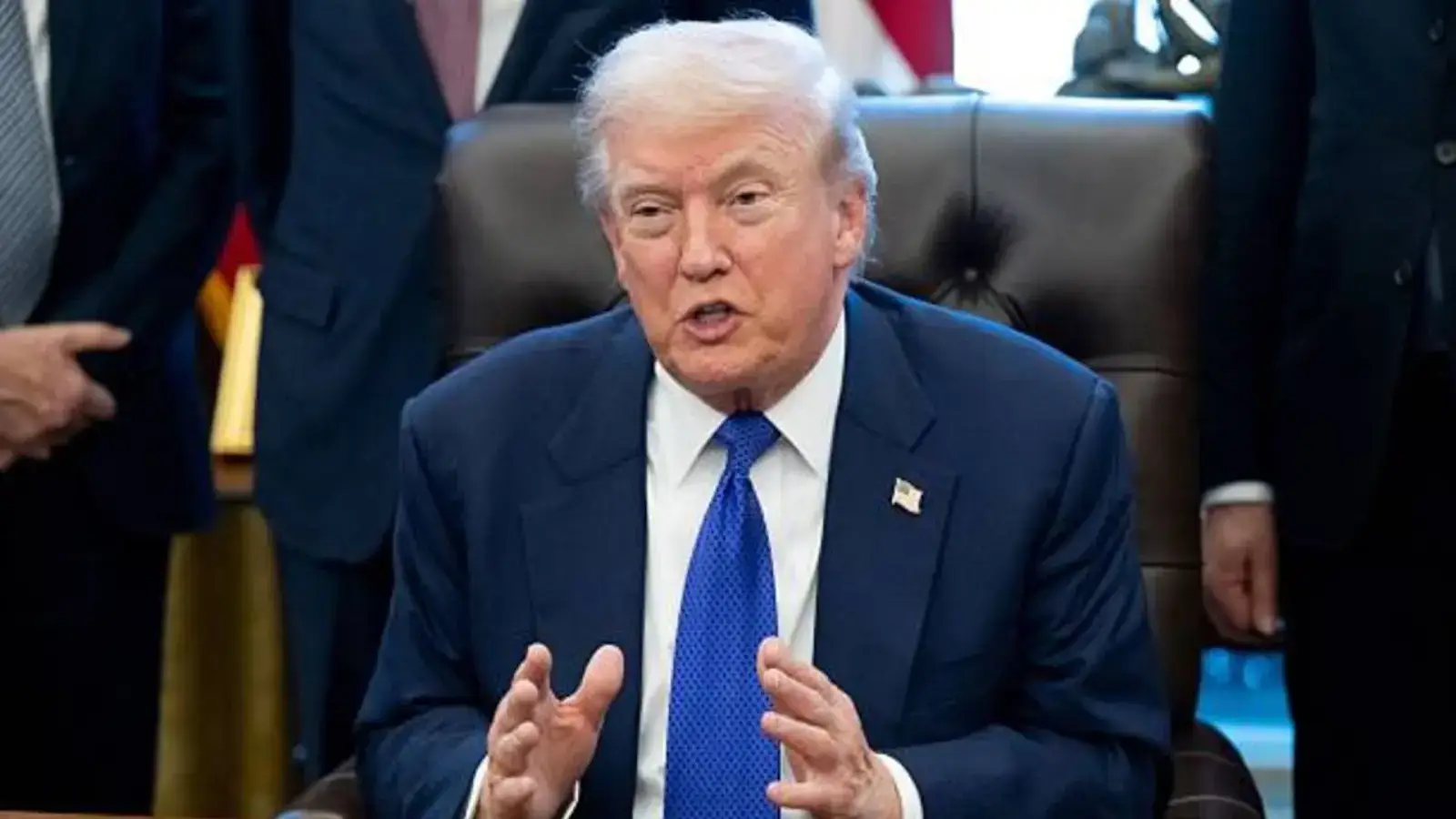
On the evening of February 2, at an event in the White House, Donald Trump announced the launch of a new initiative called "Project Vault." He emphasized that this project creates a safety cushion so that American companies and workers are not "hit" by a shortage of critical resources.
Within the framework of "Project Vault," $1.67 billion of private capital will be combined with a $10 billion loan from the US Export-Import Bank. The funds will be directed to the purchase of strategically important minerals and their storage as reserves.
Who needs the reserve?
First of all, it was noted that this reserve is intended for the needs of automotive and technology companies. Trump likened the initiative to the principle of strategic reserves previously created for national defense needs, presenting the idea as a very effective solution.
The practical part of the project is also clear: according to sources, companies such as Hartree Partners, Traxys North America, and Mercuria Energy Group will participate in the procurement and logistics of raw materials. The main goal is to drastically reduce business dependence on Chinese rare earth elements.
The Minerals Club is also expanding
US Secretary of the Interior Douglas Bergam has given another signal: this week, it is expected to announce 11 more countries joining the "Club for the Sale of Essential Minerals." That is, the game is not only about creating reserves, but also about strengthening supply chains with allies.
Japan is also going "into the depths"
On the same day, the Tokyo government announced that a Japanese research mission had identified sediments at a depth of 6,000 meters, which could be rare earth elements. Samples were collected by the scientific drilling vessel "Chikyū," which went to the Japanese Minamitori Atoll in the Pacific Ocean in December. Scientists estimate that the reserves in the surrounding waters may exceed 16 million tons - if confirmed, it could become one of the largest deposits in the world.
Takahiro Kamisuna, an expert at the International Institute for Strategic Studies, also emphasized this point: if Japan achieves sustainable development of rare earths in the Minamitori region, the domestic supply chain for key industries will strengthen.
Why is everyone in a hurry?
Against the backdrop of these actions, the Chinese factor is clearly visible. On January 6, it was reported that the Chinese Ministry of Trade had restricted the export of "secondary goods" to Japan that could be used for military purposes, including some rare earth elements.
In short, the world is entering an era of "security for resources": whoever has reserves will better control both tomorrow's production and prices. Therefore, both Project Vault and Japan's deep-sea research say the same thing: in the age of technology, the most valuable thing is not just a gadget, but the element that makes it.
Rare-earth elements refer to a group of 17 chemical elements - they are used in radio electronics, instrument making, and high-tech devices. The leaders in reserves are China (44 million tons), Vietnam (22 million tons), Brazil (21 million tons), and Russia (10 million tons). One of the most expensive is scandium, which is used in the space industry, defense, and solid-oxide fuel cells.



Comments 0
…