


France sold 589 tons of gold: the result of this mistake was 76 billion euros
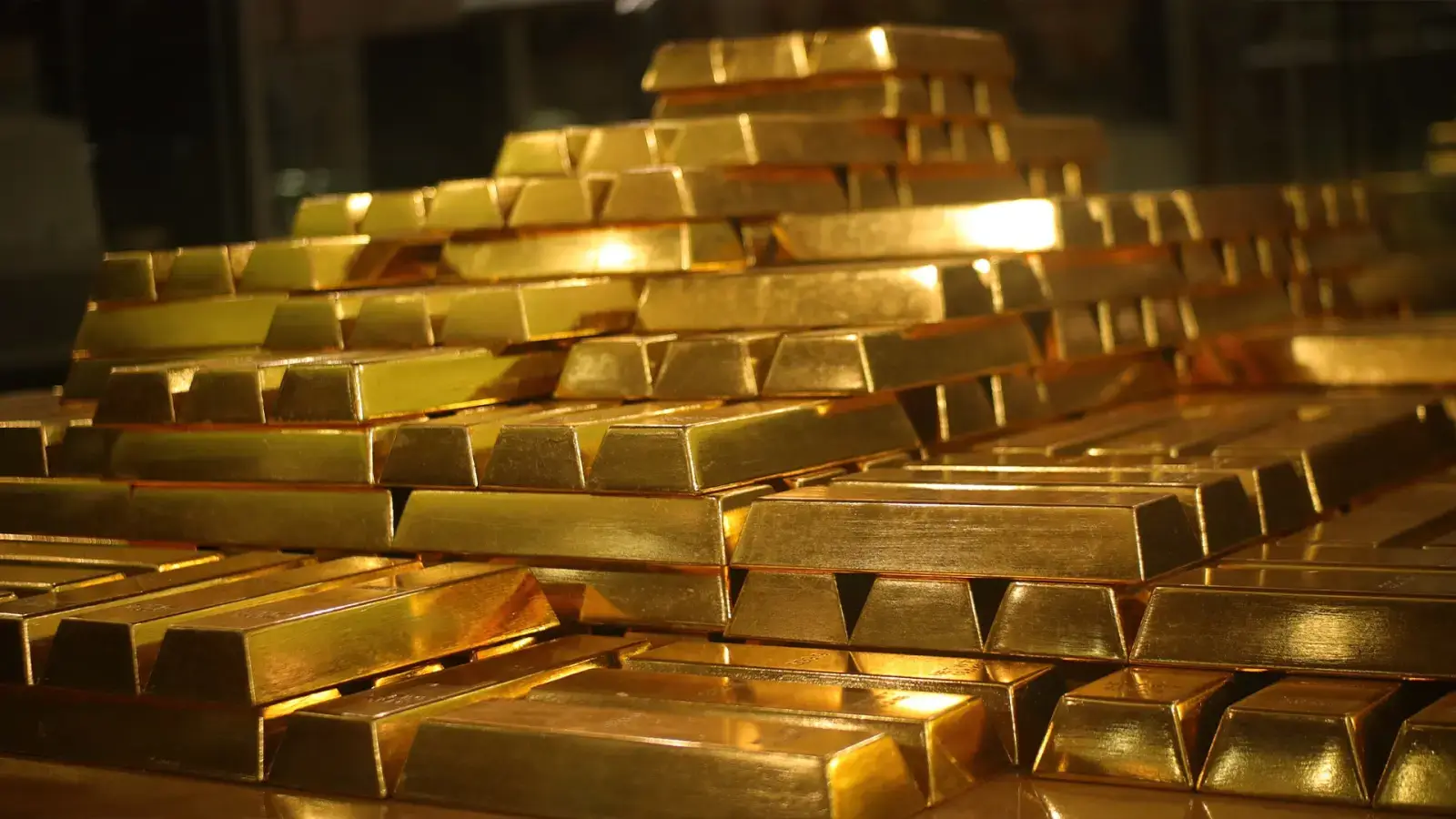
In 2004, the French government changed its financial strategy: the state decided to sell most of its gold reserves. At that time, 589 tons of gold in the country's reserves - about 20% of the total volume - were released to the market.
Officials explained this step as follows: "an asset that doesn't bring in gold," meaning it's better to direct funds to instruments that generate interest and can return results faster. As a result, the budget received 4.67 billion euros from gold sales.
But there is a "calculator" called time: almost twenty years later, the price of gold rose sharply. Around February 4, 2026, the value of 1 kilogram of gold is higher than 137 thousand euros. At these prices, the total value of 589 tons of gold sold in 2004 today amounts to approximately 81 billion euros.
This is where the most painful calculation arises: compared to 4.67 billion euros, France will miss out on approximately 76 billion euros of potential income. These figures may be "paperweighted" calculations, but the meaning is clear: short-term profits seem insignificant compared to long-term price increases.
Interestingly, around 2004, central bank agreements mentioned the possibility of France selling large volumes (about 500 tons) of gold within a few years - meaning the decision didn't appear overnight; it was viewed as a planned policy.
Experts draw one "dry" conclusion from this story: gold doesn't bring income every day, true. However, it acts as a long-term shield against inflation, geopolitical instability, and economic upheaval. That is, some assets are kept "for tomorrow's peace of mind," not "for quick money."
The last thing to say: in active management, not rushing is not romanticism, but strategy. And gold truly loves patience.



Comments 0
…