


Simon Schuster reveals the most painful points in the peace agreement
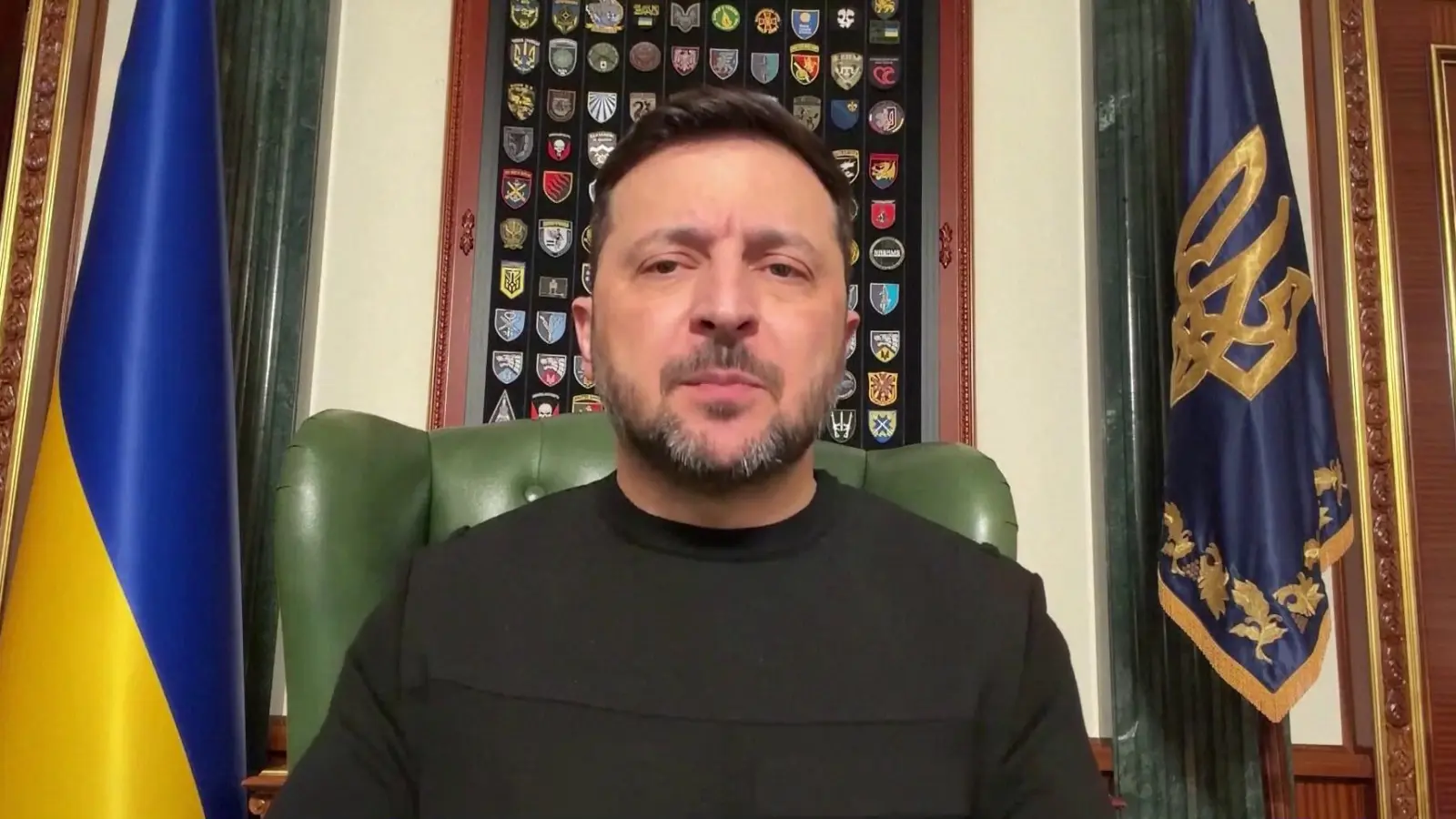
American journalist Simon Schuster has conducted another major interview with the Ukrainian president, revealing the most painful points surrounding the peace agreement. This time, the topic is the possibility of reaching an agreement with Russia under US mediation, the price of compromises, and most importantly, the issue of post-war security.
After the publication of the material, various interpretations have increased in the media: it seems that Zelensky is ready for some compromises on the Donbas issue, but in return he will demand strict security guarantees. If we summarize the main points presented in the text, the general picture is as follows.
Peace for Trump - the factors of "political victory"
According to Zelensky, the end of the war in Ukraine will serve to strengthen Donald Trump's image as a "politician who brought peace" and will give him additional political points ahead of the midterm elections to Congress in November 2026. He presents this not as romanticism, but as pragmatism: fewer victims are better, but in Washington it is still big politics.
The reality on the front line is "better to have no deal than a bad deal"
Zelensky does not deny that Russia has more resources: both the population and economic potential are larger, which means that it has the potential to prolong the war. Nevertheless, the Ukrainian leader says that he is ready to continue the fight if necessary for a "decent and lasting" peace. His position is tough: if the deal is bad for Ukraine, it is better not to sign it at all than to accept it. At the same time, he repeats the idea that "Ukraine is not losing."
Donbas issue - a possibility of compromise, but with a price
The text says that Trump may at some point abandon the negotiations, considering the process a "political loss." Understanding this risk, Zelensky has chosen the tactic of not rejecting the US proposals outright, and has softened some of his demands. In this context, it is cited that two advisers who spoke to Schuster also hinted that Ukraine could reach a compromise on Donbas (this is exactly the interpretation in the material).
Elections and referendums - a mechanism for "legitimizing" peace
Zelensky is also reportedly discussing the option of putting the terms of the peace agreement to a referendum in the spring of 2026. The idea of adding a presidential election to it is also associated with it: the duration will increase, and the result will be more difficult to dispute. However, Zelensky's main condition remains unchanged: he will not rush to vote in conditions where the fighting has not stopped and security guarantees are uncertain, and he does not want to put a "bad deal" to a referendum.
The biggest obstacle is security guarantees
The most “catchy” part of the material is this: according to Zelensky, any paper peace treaty will quickly become obsolete if the US and Europe do not provide Ukraine with real guarantees of protection from future attacks. He demands that the documents be clear, written and understandable. The Reuters report also notes that the US document of guarantees is “almost ready”, but some crucial parameters are still unclear.
The episode about Yermak and Budanov is a signal from “inside”
The text also talks about personnel changes in the presidential office: Budanov replaced Yermak, the new leader is more inclined to compromise, and even scenarios for withdrawing from the Kiev-controlled areas of Donbass were discussed. This part is also interpreted as a detail given in the Shuster report.
The “opportunity” of 2022 and today’s harsh reality
Schuster recalls: after Kherson was recaptured in late 2022, the US called for “seize the opportunity.” But negotiations were reactivated later, when the opportunities on the front were narrow and Russian pressure was high. Zelensky maintains that “we were never against stopping the war, the Russians showed their unwillingness to talk.”
The conclusion is simple but harsh: for Zelensky, the key to peace is not lines on a map, but guarantees of tomorrow. If there are guarantees, then we can talk about compromise. If there are no guarantees, the word “peace” will only turn into a pause. That is why in the coming months, both the biggest bargains and the biggest quarrels in the negotiations will be around security.



Comments 0
…