


England urgently sends half a billion air defenses to Ukraine
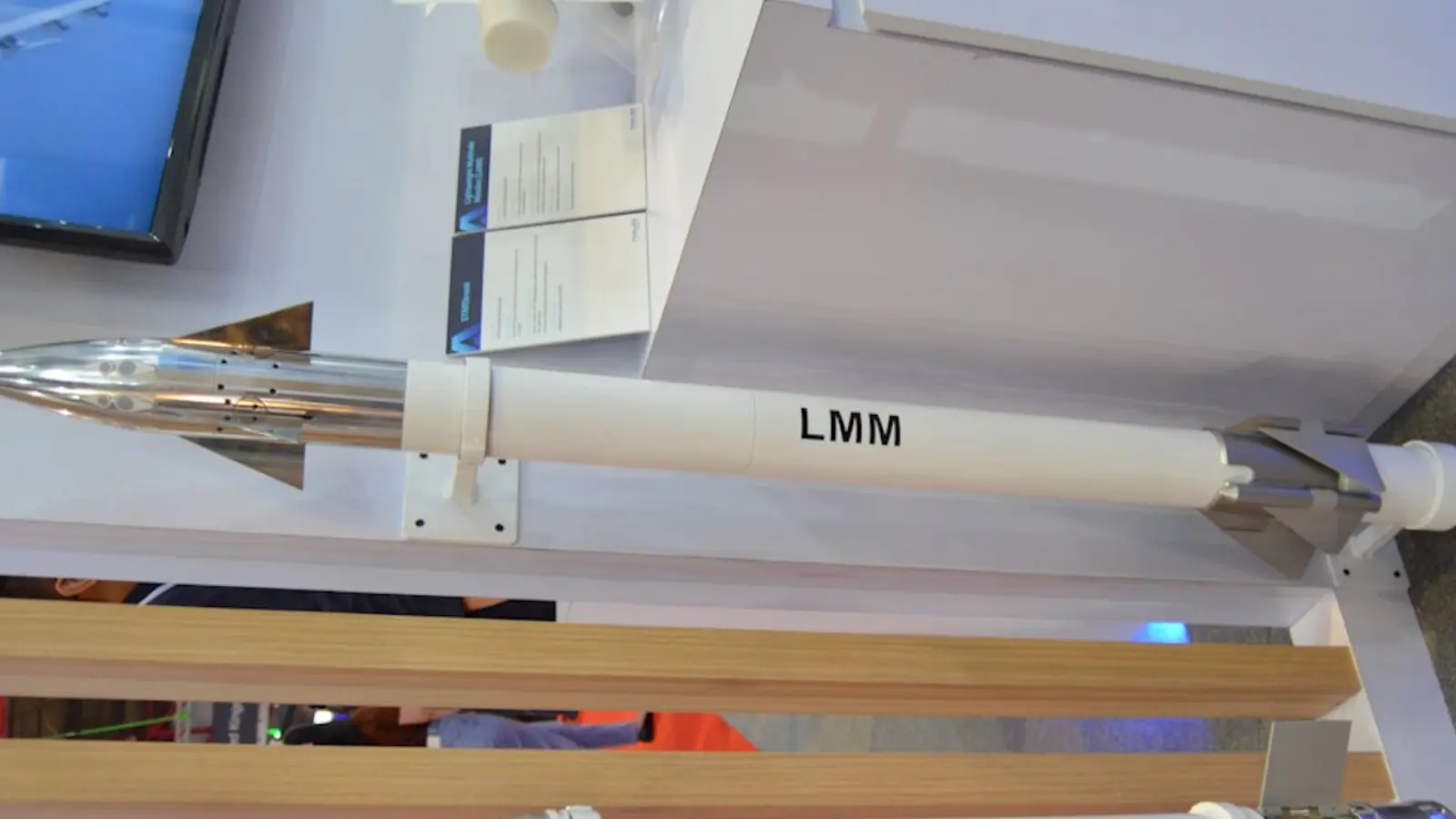
London is urgently providing Ukraine with an additional 1,000 British-made missiles and more than £500 million worth of air defense equipment. The package, according to the official explanation, is aimed at strengthening protection against Russian attacks on energy infrastructure and residential areas.
The biggest emphasis is on air defense: £150 million of the funds will be directed within the framework of PURL. It was explained that through this mechanism, in coordination with NATO, the necessary “interceptors” and other high-priority equipment for air defense will be urgently purchased from the United States.
Another “heavyweight” of the package is the lightweight multi-purpose LMM missiles manufactured in Belfast. Official data indicates that 390 million pounds will be spent on the delivery of these 1,000 LMMs. That is, we are not talking about “some symbolic assistance”, but about a large batch aimed at covering the sky.
In addition, in the coming months, Great Britain, through the Air Defense Consortium, announced that it would deliver an additional 1,200 air defense missiles and 200,000 artillery shells to Kiev. Thus, the package is designed both “for today” and “to maintain the pace for tomorrow.”
Against the background of this news, the 33rd meeting of the Ukrainian Defense Contact Group was held at NATO headquarters in Brussels on February 12. It was co-chaired by John Healey from Great Britain, and attended by Boris Pistorius from Germany. The meeting was also attended by Ukrainian Defense Minister Mikhail Fedorov, NATO Secretary General Mark Rutte, and Australian Deputy Prime Minister Richard Marles.
The discussions focused on Ukraine's main military needs for 2026, the situation on the front lines, future deliveries, and the question of "where there is a gap." That is, it is not just a question of "how much to send" - but also "what, when, and how to plan."
PURL is of particular importance here: Reuters reports that ahead of the recent meetings, Matthew Whitaker also said that he expected member states to make new commitments under this initiative, while NATO has announced additional pledges of hundreds of millions of dollars from various countries to the program.
The conclusion is simple: when the pressure on energy facilities and cities increases in the harsh winter, air defense is not a "luxury" - it is an infrastructure of survival. Therefore, both the package issued by London and the meeting in Brussels show one thing: the allies intend to continue the assistance not at the level of "simple political statements", but at the level of precise calculations and logistics. As Reuters sources noted, the issue of Europe taking a more active role in its own security was also on the agenda of these negotiations.



Comments 0
…