


Allies called for Lebanon talks
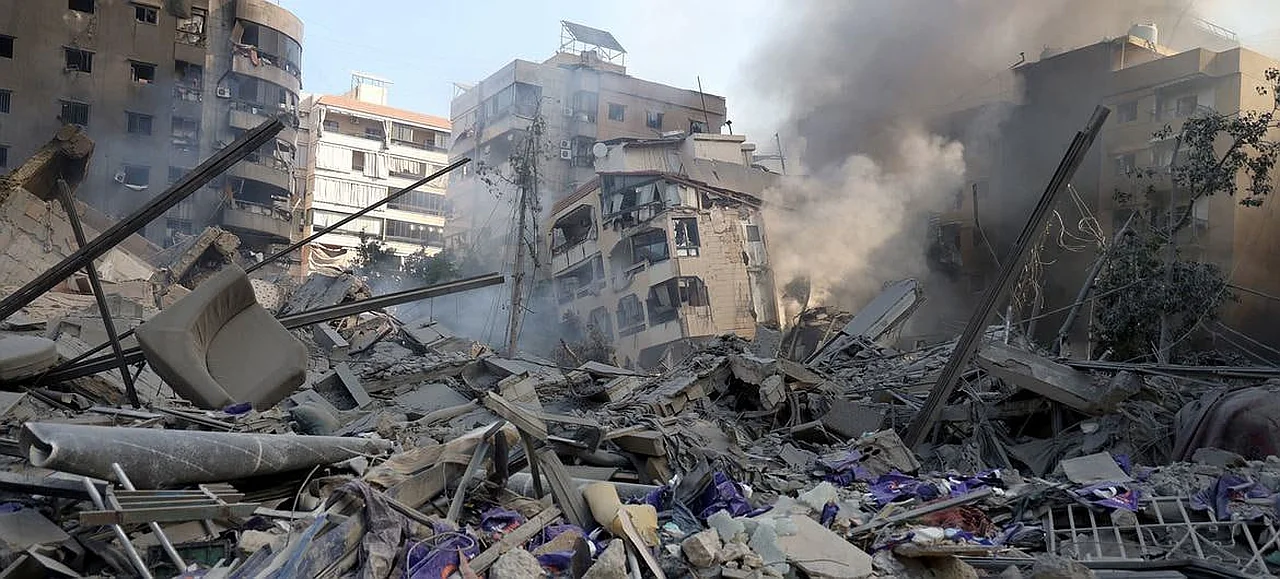
Germany, the United Kingdom, France, Italy and Canada have jointly condemned the escalation of violence in Lebanon, calling for urgent diplomacy and warning that the conflict could spiral into a deeper humanitarian and regional crisis. In a joint statement released on March 16, the five countries said they were seriously alarmed by the worsening situation and urged both Lebanese and Israeli authorities to engage in negotiations aimed at preventing further bloodshed.
The statement placed particular emphasis on the actions of Hezbollah, saying the group must halt military attacks against Israel and end actions that put civilians at risk. The signatories also repeated their long-standing demand that Hezbollah be disarmed. They argued that continued support for the movement from Iran threatens to further destabilize the region and undermine prospects for security and peace at a moment when the Middle East is already facing multiple overlapping crises.
The five governments described attacks on civilians, civilian infrastructure, medical facilities and United Nations peacekeepers in Lebanon as unacceptable. They stressed that all parties involved in the confrontation must comply with international humanitarian law. That language reflects growing concern in European capitals that the conflict is no longer limited to military targets and could rapidly produce consequences far beyond the immediate battlefield, especially if densely populated areas continue to come under pressure.
At the same time, the countries also warned Israel against expanding its military campaign into a broad ground offensive in Lebanon. According to the statement, such an operation could lead to devastating humanitarian consequences and prolong the conflict for an extended period. Mass displacement inside Lebanon and the already fragile humanitarian situation were cited as major reasons for restraint. The warning suggests that European governments are trying to balance support for Israel’s security concerns with fears that a wider operation would deepen instability and trigger another wave of regional fallout, including migration pressures.
The statement also backed the Lebanese government’s position, calling on it to intensify efforts to stop Hezbollah’s military activity and move toward disarmament of the group. The signatories said the Lebanese state and society were showing unity under pressure despite being drawn into a crisis that threatens to overwhelm public institutions, services and the civilian population. This framing indicates that Western governments want to reinforce state structures in Lebanon rather than allow non-state armed actors to dominate the security agenda.
German Chancellor Friedrich Merz reinforced that message during a press conference in Berlin on the same day. He criticized Israel’s ground operation in Lebanon, saying such a move would worsen the already grave humanitarian conditions and aggravate migration-related challenges. His remarks underscored Berlin’s concern that military escalation in Lebanon may create consequences not only for the region but also for Europe, which remains sensitive to instability on its southern periphery.
Merz also strongly condemned Hezbollah for resuming attacks on Israel after late February. He demanded that the Iran-backed group immediately stop its assaults and lay down its weapons. His comments mirrored the broader European position that Hezbollah bears direct responsibility for escalating tensions, even as governments in the region and beyond are being urged to avoid steps that would turn the confrontation into a larger war.
Earlier on March 16, the Israel Defense Forces announced that they had begun a limited ground operation against Hezbollah in southern Lebanon. According to the Israeli military, the aim is to strike what it described as terrorist infrastructure and strengthen defensive positions to improve security for communities in northern Israel. Even with that stated objective, the reaction from Europe shows mounting international concern that limited operations can quickly expand, making diplomatic engagement and adherence to humanitarian standards increasingly urgent.



Comments 0
…