


Hot developments in the Persian Gulf: Trump moves to blockade Iran
The world’s attention has once again turned to the Middle East. Tension between the United States and Iran is moving beyond diplomatic limits and entering the stage of practical military actions. Zamin.uz presents details of the fragile situation following the Islamabad negotiations and the White House’s sharp decision.
CENTCOM launches blockade operation
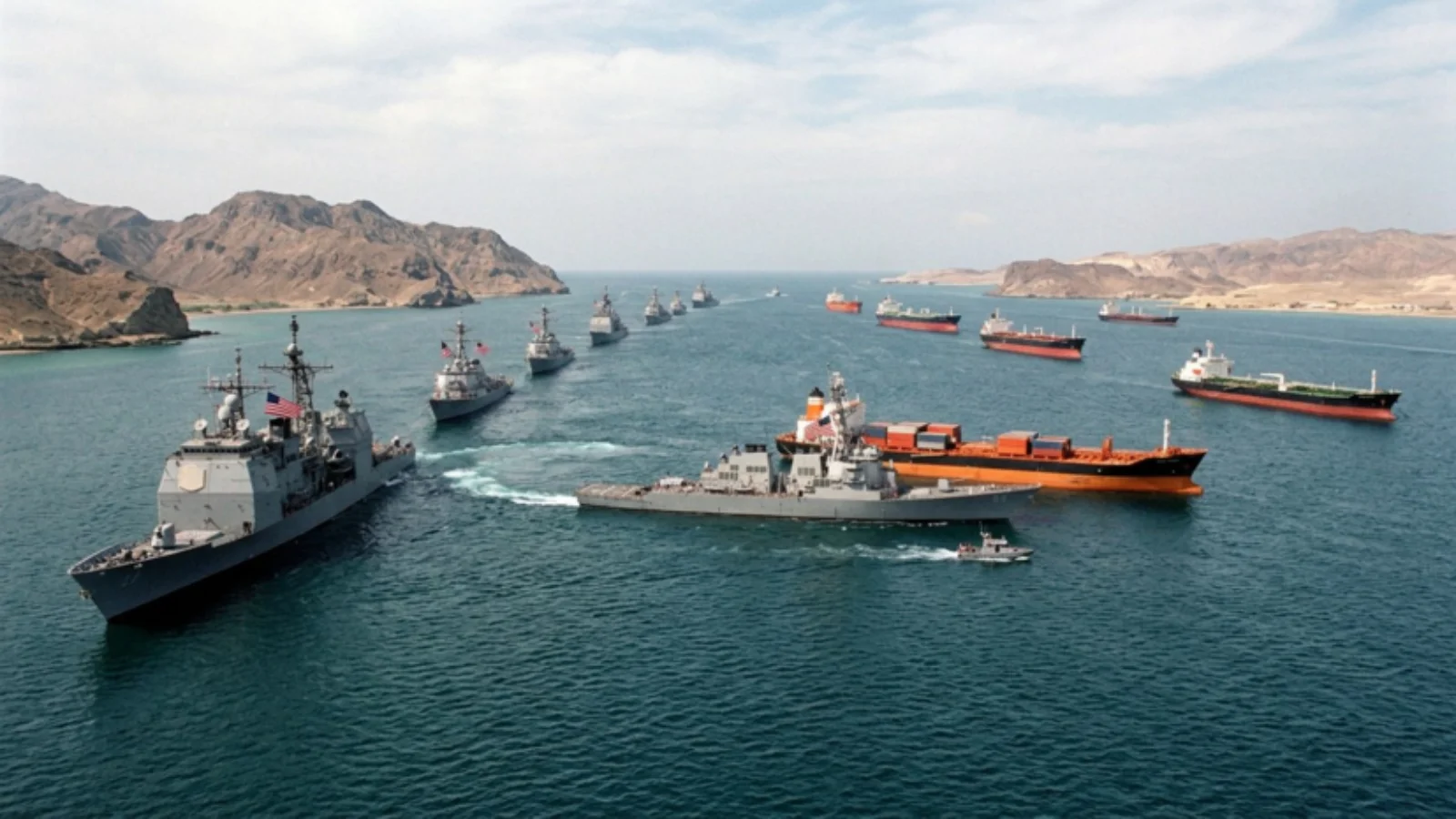
The U.S. Central Command (CENTCOM), by order of President Donald Trump, imposed a naval blockade on Iranian ports starting April 13 at 19:00 Tashkent time. This restriction covers all Iranian coastal areas in the Persian Gulf and the Gulf of Oman. Although the American side stated that it would not obstruct the movement of vessels belonging to other countries through the Strait of Hormuz, all transport entering and leaving Iran is placed under strict control.
Failed negotiations
The 21-hour marathon talks held in the capital of Pakistan ended without any positive results. The main disagreements arose over Iran’s nuclear program and control of the Strait of Hormuz. The Iranian side insisted on maintaining the right to collect fees from ships passing through the strait, while Washington calls this “global blackmail.” U.S. Vice President James David Vance commented on the situation: “The fact that we failed to reach an agreement is worse news for Iran than for us.”
Oil prices surged
The deterioration of the political environment immediately affected the global energy market. After reports that negotiations had reached a dead end, Brent crude oil rose to $102.50 per barrel. Just a few days earlier, the price had been around $95.
Tehran’s response and Trump’s threat
Commander of Iran’s naval forces, Shahram Irani, called the U.S. actions “ridiculous and absurd.” According to him, the Iranian fleet is closely monitoring any aggressive moves in the region. However, Donald Trump remained firm in his position:
“Any Iranian who fires at us or at peaceful ships will be turned to ashes!” said the White House leader.
Strait of Hormuz: barriers and mines
At the moment, the situation in the Strait of Hormuz is extremely alarming. The U.S. accuses Tehran of blocking the strait with mines and is ready to launch a “clearing” operation. In turn, the Iranian government refuses to reopen the international waterway until a final political agreement is reached.
The situation is becoming more tense by the hour. At a time when diplomatic language is being replaced by military threats, the international community is watching the developments with concern.
Dear readers, do you think the U.S. naval blockade will force Iran to make concessions, or is this the beginning of a new major confrontation? Do you expect oil prices to rise further?



Comments 0
…