


Pakistan's request: Trump extends truce with Iran
Quick readAI-generatedShow
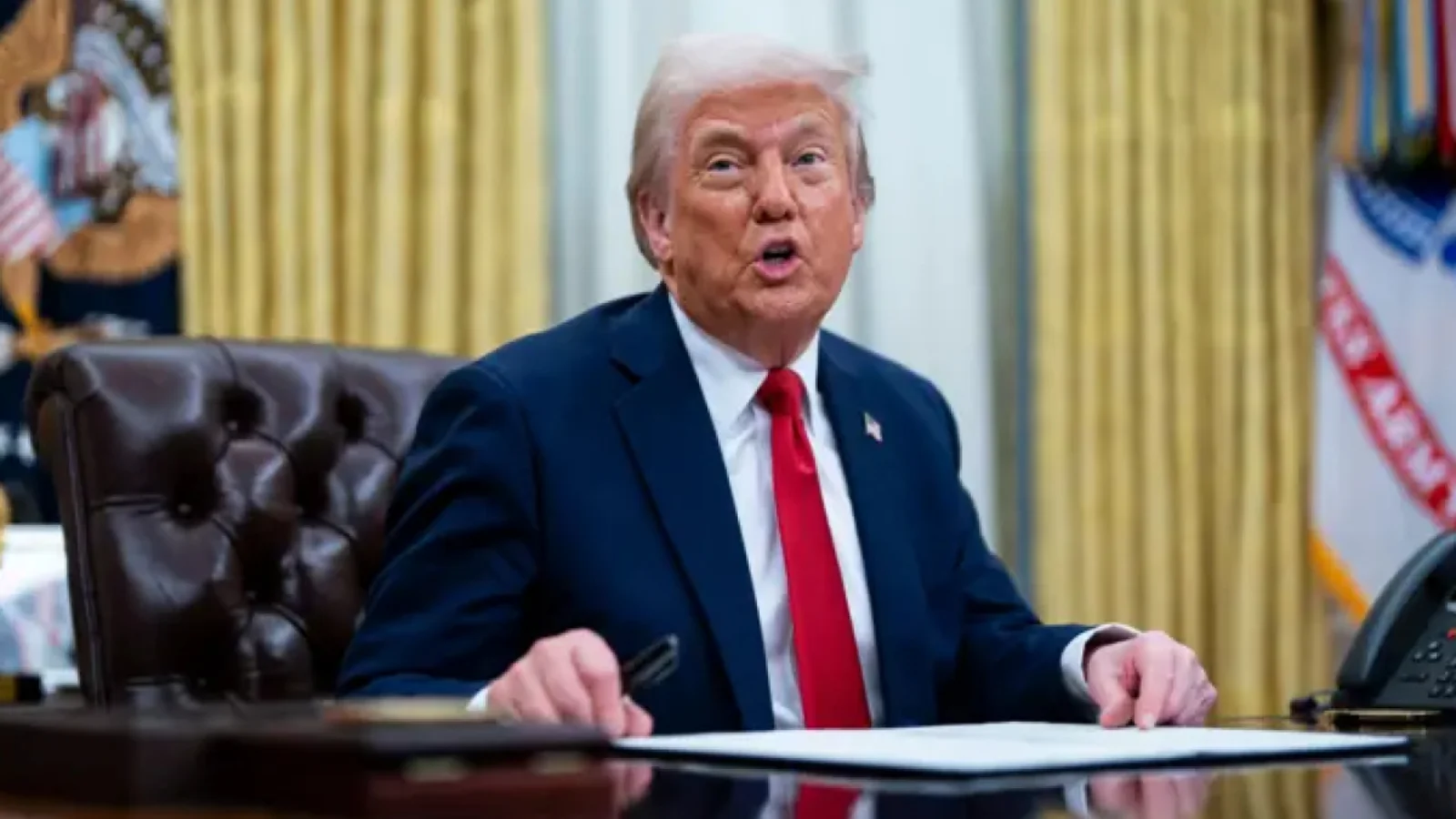
- US President Donald Trump has extended a temporary ceasefire with Iran, a decision reportedly prompted by personal appeals from Pakistan's Prime Minister and Army Chief.
- While the US is halting plans for an attack, it maintains a strict blockade of the Strait of Hormuz and keeps its forces on high alert.
- However, Iran's Tasnim agency disputes the narrative, stating Tehran has rejected further talks, accusing Washington of hindering a reasonable agreement and deeming further dialogue a waste of time.
- This diplomatic impasse is underscored by the indefinite postponement of a planned visit by US Vice President James David Vance to Islamabad.
The world’s attention is once again focused on the Middle East and Islamabad. The delicate situation between the U.S. and Iran has taken a new turn. A ceasefire agreement reached on April 8, which was nearing its expiration, has been unexpectedly extended. Zamin.uz presents the latest and most sensational details of this political drama.
An Unexpected Decision: Pakistan’s Mediatorial Role
On the night of April 22, as the truce was about to expire, U.S. President Donald Trump issued an unexpected statement. According to him, Washington has decided to temporarily suspend plans to attack Iran. This decision was prompted by the personal request of the Chief of Staff of the Pakistan Armed Forces, Field Marshal Asim Munir, and Prime Minister Shahbaz Sharif.
Trump emphasized that sharp disagreements have arisen within the Iranian government. The Pakistani side requested that military action not commence until the Tehran leadership develops a unified and clear proposal.
Blockade Continues: Military Alert Remains High
Despite the extension of the truce, Trump ordered the U.S. military to remain vigilant:
-
Strait of Hormuz: The naval blockade will continue with its previous strictness.
-
Combat Readiness: American troops are on standby to strike at any moment.
Tehran’s Sharp Rejection: “A Waste of Time”
While the American side claims to have extended the deadline, Iran's Tasnim agency presents a completely different picture. Reports indicate that although Iran’s Supreme Leader Mojtaba Khamenei had previously authorized negotiations, Tehran has completely abandoned the second phase of talks in Islamabad.
The Iranian side accused the U.S. of “hindering a reasonable agreement” and “setting excessively high demands,” calling dialogue with Washington a waste of time.
Diplomatic Failure: Pence’s Visit Canceled
The complexity of the situation is further confirmed by the indefinite postponement of U.S. Vice President James David Vance’s planned visit to Islamabad. The White House has officially acknowledged this cancellation.
It is worth remembering that influential figures such as Jared Kushner and Steven Witkoff participated on behalf of the U.S. in the first round of negotiations, while Mohammad Bagher Ghalibaf and Abbas Araqchi represented Iran. However, that meeting concluded without results, leading to Trump's blockade of the Strait of Hormuz.
Dear readers, do you think Pakistan's intervention can truly extinguish the flames of war, or is it just a temporary peace? How will Iran's refusal to negotiate affect the situation?
Continue to follow fast-breaking news from the hottest spots in global politics on the Zamin.uz website.



Comments 0
…